“transferred from” search results (1000)

(transfer) single item Italian (single espresso)
Espresso, which seems to have a broad meaning in coffee, can refer to either a 20ml cup of coffee, an Italian blend of beans, or a specific degree of roasting. In this article, we refer to espresso specifically referring to the cup of 20 milliliters or so made. Usually, when we make espresso, we choose espresso beans, the so-called Italian coffee.
2014-08-27 Single Italian style espresso
Hougu Coffee step Mai Tai is in crisis, called debt 2 billion, calls on banks to reduce pressure.
Bank loans and liabilities totaled 2 billion yuan. After more than a month of self-struggle, Xiong Xiangren finally plucked up his courage and shook out the burden on his heart and enterprise. The founder of Hougu Coffee, China's largest instant coffee producer, did not disguise the debt crisis faced by the company's high debt. Yesterday (February 9) afternoon, Hougu Coffee held a special news in Kunming.
2015-02-10 Coffee step too big crisis external debt 2 billion appeal bank decompression
Coffee knowledge points: coffee roasting talking about roasting process, roasting degree and roasting curve
When we pour the coffee beans at room temperature into the drum of the roaster after preheating, the temperature in the drum will be pulled down quickly and sharply, and the heat accumulated inside will be absorbed by the coffee beans and cause water evaporation. One minute to a few minutes later (the reheating time is related to preheating temperature, heating source, drum design, raw bean quantity, etc.), as the bean table loses moisture, coffee
2015-12-22 Coffee knowledge essentials baking chatting process degree curve
Coffee knowledge points: coffee roasting talking about roasting process, roasting degree and roasting curve
When we pour the coffee beans at room temperature into the drum of the roaster after preheating, the temperature in the drum will be pulled down quickly and sharply, and the heat accumulated inside will be absorbed by the coffee beans and cause water evaporation. One minute to a few minutes later (the reheating time is related to preheating temperature, heating source, drum design, raw bean quantity, etc.), as the bean table loses moisture, coffee
2015-12-22 Coffee knowledge essentials baking chatting process degree curve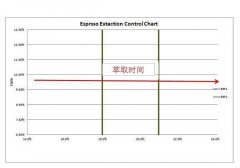
The thinking mode of extraction 2b-extraction time is transferred from Douban
Continuing with the previous article, http://www.douban.com/note/244706236/ extraction time looks easy, but it's actually a little more complicated than I thought. Because although the extraction time is directly related to the relationship between extraction rate and concentration, their relationship is not necessarily proportional. We still return to the original two purposes, get the reasonable extraction rate and get the proper concentration.
2015-11-10 Take thinking pattern extraction time move from Douban
Coffee Information Coffee Cafe Management status of many people across the country
The status quo of many people's cafes: 1 I saw the last time before the cafe disappeared. It has become fragmented, there is a thick layer of dust on the floor, and the movers are dismantling the equipment. The hand-painted patterns on the indoor walls, the black ceiling decoration, an abandoned billiard table in the middle, the bar on the right-hand side of the entrance, and several placed together
2015-01-12 Coffee information the whole country a lot of people cafes operations status quo many people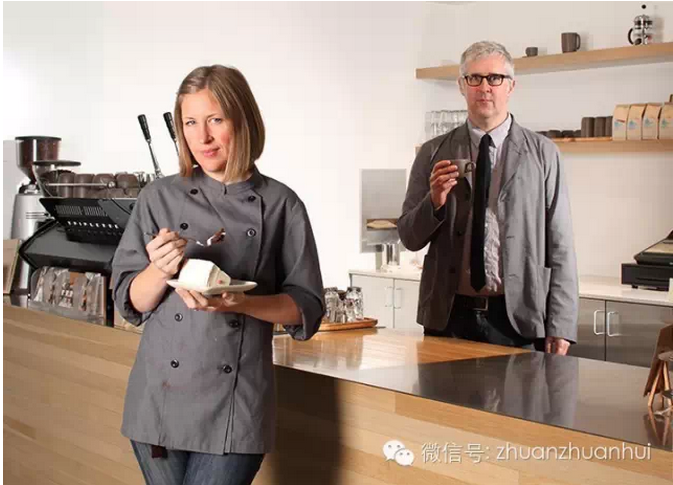
People who do only one thing well in their lives: Mr. and Mrs. Freeman, blue bottle coffee.
Source: how nice it is to transfer Wechat zhuanzhuanhui to make a living by doing what you love. This is the wish of many people. But there are not many people who really realize their wishes and live in this way. Let's take a look at this couple. They own a small coffee shop in San Francisco called Blue Bottle Coffee Coffee, Mrs. Caitlin.
2015-05-09 Those life only one thing okay bottle coffee Fry couple source
What's the difference between Arabica coffee and Roberta coffee?
Arabica coffee (transferred from www.molinarichina.com) Arabica coffee (Coffee.Arabica): Arabica coffee, also known as Arabica coffee, its taxonomic position was determined by Linnaeus in 1753. It can produce Arabica coffee (C.Arabica) beans, which can be called high-quality coffee beans in the world and the only coffee that can be drunk without any ingredients. Allah
2015-01-19 Rabbi coffee Rob Starr where is the difference rabbi transferred from
Siphon pot coffee brewing skills siphon pot stir coffee method
Transferred from C. W。C coffee discussion forum author: matthew general siphon pot used by most of the stirring method circle some cafes even marked that coffee grounds can present a small hill is considered a good cup of coffee, so many coffee players to this end of the effort to make coffee grounds present a small hill is not difficult as long as the end of the brewing will be stirred a few rounds to create a vortex
2015-01-21 siphoning pot brewing coffee tips stirring methods transfer from discussion area author
The basic chemical reaction of coffee roasting process
Many thermal and chemical reactions take place during baking: decarbonation, dehydration of quinic acid, subdivision, isomerization, polymerization, and complex sugar reactions (caramelization). The main components of the thermal reaction are monosaccharides and sucrose, chlorogenic acid, free amino acids, and fenugreek amide. Both aravinose and calactose in the polysaccharides are transferred, and the basic vulcanization contains hydroxylated amino acid.
2014-08-15 Coffee knowledge coffee roasting process baking chemical reaction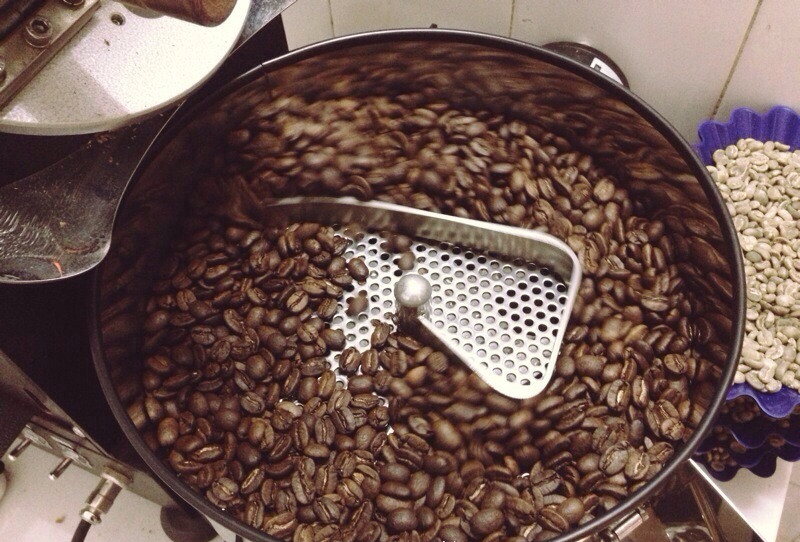
Basic chemical reactions of coffee beans during coffee roasting
Many thermal and chemical reactions take place during baking: decarbonation, dehydration of quinic acid, subdivision, isomerization, polymerization, and complex sugar reactions (caramelization). The main components of the thermal reaction are monosaccharides and sucrose, chlorogenic acid, free amino acids, and fenugreek amide. Both aravinose and calactose in the polysaccharides are transferred, and the basic vulcanization process includes hydroxylamine.
2015-03-16 Coffee roasting process coffee beans raw basic chemical reaction
Basic chemical reactions that occur during coffee roasting
Many thermal and chemical reactions take place during baking: decarbonation, dehydration of quinic acid, fragmentation, isomerization, polymerization, and complex sugar reactions (caramelization). The main thermally reactive components are monosaccharides and sucrose, chlorogenic acid, displaced amino acids, and trigonelline amide. Both aravinone and calactose in polysaccharides are transferred, and basic sulfurization contains hydroxyamino acids.
2014-08-20 Coffee knowledge Coffee roasting Chemical changes Coffee encyclopedia
The basic chemical reaction that takes place during coffee roasting.
Many thermal and chemical reactions take place during baking: decarbonation, dehydration of quinic acid, subdivision, isomerization, polymerization, and complex sugar reactions (caramelization). The main components of the thermal reaction are monosaccharides and sucrose, chlorogenic acid, free amino acids, and fenugreek amide. Both aravinose and calactose in the polysaccharides are transferred, and the basic vulcanization process includes hydroxylamine.
2014-11-22 Coffee knowledge coffee common sense coffee roasting chemical reaction
The basic chemical reactions that take place during coffee roasting
Many thermal and chemical reactions take place during baking: decarbonation, dehydration of quinic acid, subdivision, isomerization, polymerization, and complex sugar reactions (caramelization). The main components of the thermal reaction are monosaccharides and sucrose, chlorogenic acid, free amino acids, and fenugreek amide. Both aravinose and calactose in the polysaccharides are transferred, and the basic vulcanization process includes hydroxylamine.
2015-10-15 Coffee roasting process medium hair raw basic chemical reaction
Introduction of flavor description and taste of coffee farms in C ô te d'Ivoire
The boutique coffee bean flavor description method introduces the Ivorian coffee market: the Ivorian National Coffee Management Commission has been reorganized and streamlined, and some production activities have been transferred to private companies for management. The government provides a minimum price guarantee to farmers who produce high-quality coffee and encourages exporters to buy directly from farmers. Today, 80% of coffee exports are in Europe.
2016-10-24 Ivory Coast which coffee manor origin flavor description taste introduction essence
The basic chemical reactions that take place during coffee roasting
Many thermal and chemical reactions take place during baking: decarbonation, dehydration of quinic acid, subdivision, isomerization, polymerization, and complex sugar reactions (caramelization). The main components of the thermal reaction are monosaccharides and sucrose, chlorogenic acid, free amino acids, and fenugreek amide. Both aravinose and calactose in the polysaccharides are transferred, and the basic vulcanization process includes hydroxylamine.
2014-08-21 Coffee roasting process medium hair raw basic chemical reaction
The basic chemical reactions that take place during coffee roasting.
Many thermal and chemical reactions take place during baking: decarbonation, dehydration of quinic acid, subdivision, isomerization, polymerization, and complex sugar reactions (caramelization). The main components of the thermal reaction are monosaccharides and sucrose, chlorogenic acid, free amino acids, and fenugreek amide. Both aravinose and calactose in the polysaccharides are transferred, and the basic vulcanization process includes hydroxylamine.
2015-01-08 Coffee common sense baking process medium hair raw basic chemical reaction passing
The basic chemical reaction of coffee technology in the process of coffee roasting
Many thermal and chemical reactions take place during baking: decarbonation, dehydration of quinic acid, subdivision, isomerization, polymerization, and complex sugar reactions (caramelization). The main components of the thermal reaction are monosaccharides and sucrose, chlorogenic acid, free amino acids, and fenugreek amide. Both aravinose and calactose in the polysaccharides are transferred, and the basic vulcanization process includes hydroxylamine.
2014-10-09 Coffee knowledge coffee technology coffee roasting baking chemical reaction
Introduction to the method of describing the Flavor of Sunshine Yerba Coffee and the degree of Grinding
Yejassefi's coffee trees were planted by European monks (a bit like Belgian monks growing wheat to brew beer) and were later transferred to farmers or cooperatives. Yejia Xuefei is actually constructed by surrounding coffee communities or cooperatives, including Edido Idido, Hafusa Harfusa, Hama Hama, Biloya, near Fog Valley Misty valley, all washed with water, but also
2016-10-13 Sun Yega Sheffield Wauka Coffee Flavor description Grinding treatment Variety
The basic Chemical reaction of Coffee Baking process
Original: Basic Chemical Reactions Occurring in the Roasting Process by Carl Staub sourced from the SCAA Roast Color Classification System developed by Agtron-SCAA in 1995 Many thermal and chemical reactions occur during the roasting proces
2015-01-27 Coffee roasting process basic Chemical reaction Chinese-English Bilingual Translation original B