“the rarest” search results (400)

Yega Snow Coffee producing area Sidamo Gedeo District, Sidamo Province
Today, Ethiopia is an important coffee producer, with about 12 million people engaged in coffee production and a major exporter of Arabica coffee beans in Africa. The high-quality coffee here is of excellent quality and is worth looking for. A variety of coffee cultivation methods can be found in Ethiopia: from wild coffee forests and semi-developed land
2016-06-16 Yega Chefe producing area Damo Province Sidamo Gedeo Xue
Introduction to the quality and characteristics of Musk Coffee
How can such coffee beans smell good? The civet's digestive system has an enzyme that breaks down a lot of amino acids, which give the excreted coffee beans a unique bitterness and aroma. So the flavor of coffee beans after a unique fermentation process is different from that of ordinary coffee beans, because wild civets are obviously better at selecting good coffee fruits.
2016-06-08 Musk deer cat coffee quality characteristics origin introduction so coffee beans how will fragrance
Ethiopian Coffee Origin Culture
The birthplace of coffee-Ethiopia. The coffee tree originated in Ethiopia, which was originally a wild plant here, and the name coffee comes from the Ethiopian town of Kaffa. In fact, many coffee trees in Ethiopia are still wild plants, and the coffee grown on this coffee tree is full-grained and slightly alcoholic. Humans may have been in the 9th century.
2016-06-01 Ethiopia Coffee Origin History Culture
The world's most expensive coffee item, the Indonesian Kopi Luwak Kopi Luwak features Kopi Luwak
Kopi Luwak, produced in Indonesia, is one of the most expensive coffee in the world. Indonesia grows a large number of coffee crops. On the island of Sumatra, a kind of arboreal wild animal called civets likes to eat fat, multi-paddled coffee fruits. Coffee beans are fermented and digested in their bodies, but the hard hard nuts cannot be digested. With feces excreted, the feces become grains of coffee beans.
2016-03-23 In the world expensive individual products coffee Indonesia cat shit characteristics
Indonesian Kopi Luwak, the most expensive single coffee in the world, the taste of civet coffee.
Kopi Luwak, produced in Indonesia, is one of the most expensive coffee in the world. Indonesia grows a large number of coffee crops. On the island of Sumatra, a kind of arboreal wild animal called civets likes to eat fat, multi-paddled coffee fruits. Coffee beans are fermented and digested in their bodies, but the hard hard nuts cannot be digested. With feces excreted, the feces become grains of coffee beans.
2016-03-24 Indonesia cat shit coffee world expensive single product musk taste cat coffee
Yega Snow Coffee producing area Sidamo Gedeo District, Sidamo Province
Today, Ethiopia is an important coffee producer, with about 12 million people engaged in coffee production and a major exporter of Arabica coffee beans in Africa. The high-quality coffee here is of excellent quality and is worth looking for. A variety of coffee cultivation methods can be found in Ethiopia: from wild coffee forests and semi-developed land
2016-06-20 Yega Chefe producing area Damo Province Sidamo Gedeo Xue
Refreshing Yemeni coffee flavor, characteristics, taste and manor
Yemeni coffee originated from Arabian coffee trees hundreds of years ago, all produced in areas above 3000 feet above sea level. For hundreds of years, the unique planting and production methods of Yemeni coffee have remained almost unchanged. The seedlings of Yemeni coffee trees are first cultivated in nurseries and then transplanted to high elevations. Pesticides and fertilizers are not used in the breeding process. Mature coffee beans are naturally dried on coffee trees and shelled by stone grinding.
2016-08-30 Refreshing Yemeni coffee flavor specialty taste manor Yemen
The coffee tree originated in Ethiopia.
The coffee tree originated in Ethiopia, which was originally a wild plant here, and the name coffee comes from the Ethiopian town of Kaffa. In fact, many coffee trees in Ethiopia are still wild plants, and the coffee grown on this coffee tree is full-grained and slightly alcoholic. Humans may have known how to grow coffee trees as early as the 9th century, but
2016-05-24 Coffee from Ethiopia coffee Ethiop
Introduction of Ethiopian Coffee beans
Various forms of coffee cultivation can be found in Ethiopia: everything from wild coffee forests and semi-developed land to traditionally operated plots to modern plantations. About 50% of the coffee is grown more than 1500 meters above sea level. Harrar coffee is the highest growing area of all coffee in Ethiopia. Hara coffee can be divided into long coffee.
2016-05-06 Ethiopia coffee beans introduction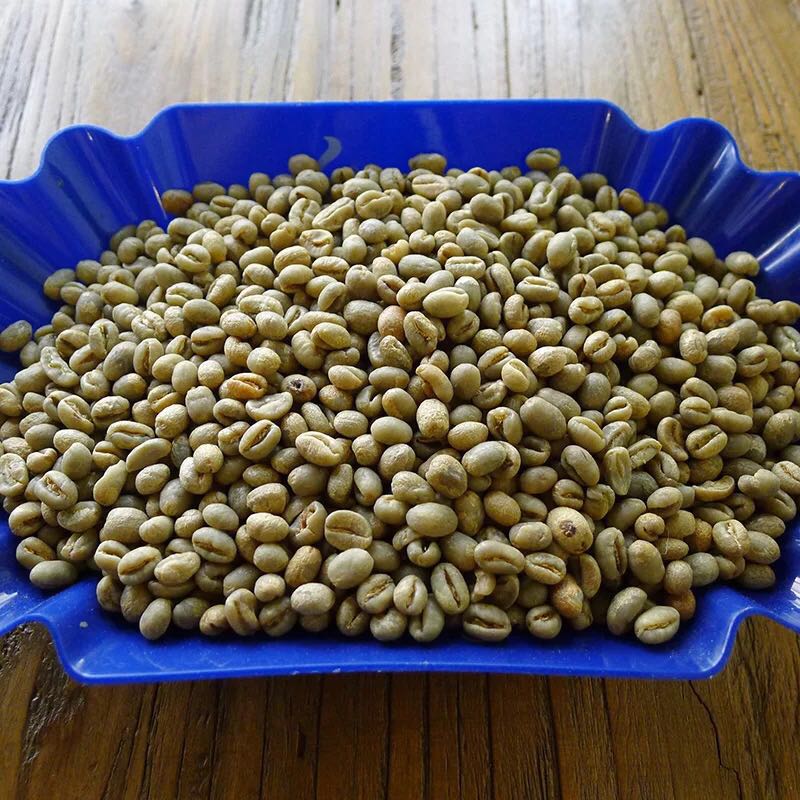
Characteristics of Ethiopian coffee beans
Various forms of coffee cultivation can be found in Ethiopia: everything from wild coffee forests and semi-developed land to traditionally operated plots to modern plantations. About 50% of the coffee is grown more than 1500 meters above sea level. Harrar coffee is the highest growing area of all coffee in Ethiopia. Hara coffee can be divided into long coffee.
2016-05-06 Ethiopia coffee beans characteristics practices
Characteristics of Ethiopian coffee beans
Various forms of coffee cultivation can be found in Ethiopia: everything from wild coffee forests and semi-developed land to traditionally operated plots to modern plantations. About 50% of the coffee is grown more than 1500 meters above sea level. Harrar coffee is the highest growing area of all coffee in Ethiopia. Hara coffee can be divided into long coffee.
2016-05-06 Ethiopia coffee beans characteristics practices
The latest introduction of Yemeni coffee boutique coffee
Yemeni coffee originated from Arabian coffee trees hundreds of years ago, all of which are produced in areas above 3000 feet above sea level. For hundreds of years, the unique planting and production methods of Yemeni coffee have remained almost unchanged. The seedlings of Yemeni coffee trees are first cultivated in nurseries and then transplanted to high elevations. Pesticides and fertilizers are not used in the breeding process. Mature coffee beans are naturally dried on coffee trees and shelled by stone mill.
2015-12-02 Yemen coffee boutique introduction latest origin hundreds
Coffee producing areas in Ethiopia
The coffee tree originated in Ethiopia, which was originally a wild plant here. The name "coffee" comes from the Ethiopian town of "Kaffa". Humans may have known how to grow coffee trees as early as the 9th century.
2014-09-01 Coffee knowledge Ethiopia coffee producing area
Yega Snow Coffee Coffee Estates in the Eastern Highlands
Today, in the Sidamo Gedeo district of Sidamo province, Ethiopia is an important coffee producer, with about 12 million people engaged in coffee production and a major exporter of Arabica coffee beans in Africa. The high-quality coffee here is of excellent quality and is worth looking for. A variety of coffee cultivation methods can be found in Ethiopia: from wild coffee forests and semi-developed land to traditionally managed ones.
2016-06-20 Yega Coffee producing area East Highlands Manor Dharma Province Sida
Introduction of the most unique coffee in the world, Yega Chuefei.
Today, Ethiopia is an important coffee producer, with about 12 million people engaged in coffee production and a major exporter of Arabica coffee beans in Africa. The high-quality coffee here is of excellent quality and is worth looking for. A variety of coffee cultivation methods can be found in Ethiopia: from wild coffee forests and semi-developed land
2016-06-24 In the world the most flavor unique sexual Yega Sheffield coffee introduction
Yemeni coffee flavor Yemeni coffee characteristics Yemeni coffee taste
Yemeni coffee originated from Arabian coffee trees hundreds of years ago, all produced in areas above 3000 feet above sea level. For hundreds of years, the unique planting and production methods of Yemeni coffee have remained almost unchanged. The seedlings of Yemeni coffee trees are first cultivated in nurseries and then transplanted to high elevations. Pesticides and fertilizers are not used in the breeding process. Mature coffee beans are naturally dried on coffee trees and shelled by stone grinding.
2016-08-29 Yemen coffee flavor characteristics taste origin hundreds years ago
Global coffee producing area-Ethiopia
The coffee tree originated in Ethiopia, which was originally a wild plant here. The name "coffee" comes from the Ethiopian town of "Kaffa". Humans may have known how to grow coffee trees as early as the 9th century.
2014-06-17 Coffee knowledge Coffee Origin Coffee Encyclopedia Ethiopia
Introduction to the excellent quality Yega Xuefei coffee producing area in Ethiopia
Today, Ethiopia is an important coffee producer, with about 12 million people engaged in coffee production and a major exporter of Arabica coffee beans in Africa. The high-quality coffee here is of excellent quality and is worth looking for. A variety of coffee cultivation methods can be found in Ethiopia: from wild coffee forests and semi-developed land
2016-06-29 Quality excellent Ethiopia Yega Sheffield Coffee producing area introduction
The main estate of Ethiopian coffee beans, Yega Xuefei coffee flavor.
Ethiopia is an important coffee producer with about 12 million people engaged in coffee production and is a major exporter of Arabica coffee beans in Africa. The high-quality coffee here is of excellent quality and is worth looking for. A variety of coffee cultivation methods can be found in Ethiopia: from wild coffee forests and semi-developed land to traditionally operated plots of land to modern plantations.
2016-06-29 Ethiopia coffee beans main manor Yega Sheffield coffee flavor
What does Ethiopian coffee taste like?
Various forms of coffee cultivation can be found in Ethiopia: everything from wild coffee forests and semi-developed land to traditionally operated plots to modern plantations. About 50% of the coffee is grown more than 1500 meters above sea level. Harrar coffee is the highest growing area of all coffee in Ethiopia. Hara coffee can be divided into long coffee.
2016-05-23 Ethiopia coffee taste how's it going?