“the first century” search results (5000)
Arab magic "black water" black coffee
In the eighth century AD, a magical black water known as Qahwa was circulating in Arabia, which was said to restore strength, energy and no drowsiness. Avicina Ibn Sina (980-1037), a 10th-century Muslim philosopher and famous Iranian doctor, recorded a plant from Yemen called Bunchum, which is said to be something similar to coffee. as early as
2015-06-12 arabic human magic black water coffee ad eighth century arabia peninsula
The Cultural Story of Coffee Development "Blackwater"
In the eighth century AD, there was a magical black water called Qahwa in the Arabian Peninsula, which was said to restore physical strength, exuberance, and no sense of purpose. The tenth century Muslim philosopher and Iranian doctor Avicina Ibn Sina,980-1037 recorded a plant from Yemen called Bunchum, which is said to be something like coffee. As early as
2015-01-17 Coffee Development Culture Story Magic Blackwater AD eighth Century Arab half
History of Coffee Culture introduction to the Development History of Coffee
Coffee fruits were found in Ethiopia in the 6th and 7th centuries; Rhazes, a famous doctor in the Arab region in the 10th century, was considered to be the first person in history to record coffee in literature; the first recorded coffee trees were planted in the Arabian Peninsula in the 11th century, and after roasting and cooking, coffee was called Gahwa, meaning Islamic wine; in the 13th century, people began to taste it
2015-01-12 Coffee Cultural History Development History introduction AD 7th Century reality Egypt
The spread of coffee in China and the development of coffee shop culture
The development of coffee in China according to historical records, coffee was first planted in Taiwan in 1884, which opened the prelude to the development of coffee in China. The earliest coffee cultivation in mainland China began in Yunnan, when a French missionary brought the first coffee seedlings to Binchuan County in Yunnan Province at the beginning of the 20th century. For nearly a hundred years after that, coffee was only a star in the vast territory of China.
2015-11-04 Coffee China Communication Development Coffee Shop Culture Historical Materials
Where did the earliest coffee come from? how was the earliest coffee handled in the first place?
The cultivation and production of coffee in the 17th century has always been monopolized by Arabs. At that time, it was mainly used in medicine and religion, and doctors and monks admitted that coffee had the effects of refreshing, awakening, strengthening the stomach, strengthening the body and stopping bleeding. The use of coffee was documented at the beginning of the 15th century and was integrated into religious ceremonies during this period. At the same time, it also appeared in the folk as a daily drink. Because of Islam
2016-05-24 Early coffee from where start how deal with 17th century
The spread and Development of Coffee History
The spread and development of coffee European historians argue that there were artificially grown coffee trees for trade in Yemen in the southern Arabian Peninsula as early as 800 years ago, and there is also historical evidence that at that time, there was indeed trade across the Red Sea between Yemen and Ethiopia. Based on this, it is speculated that if the use of coffee is made by Ethiopians
2014-09-22 Coffee Culture Coffee History Coffee Communication Coffee Development
Basic knowledge of Magic "Blackwater" Fine Coffee Culture
In the eighth century AD, there was a magical black water called Qahwa in the Arabian Peninsula, which was said to restore physical strength, exuberance, and no sense of purpose. The tenth century Muslim philosopher and Iranian doctor Avicina Ibn Sina,980-1037 recorded a plant from Yemen called Bunchum, which is said to be something like coffee. As early as
2015-07-29 Magic Blackwater boutique coffee culture basics common sense AD eighth century Arabia
History of Coffee Culture on the Source of Coffee
The history of coffee can be traced back to the tenth century AD, but those are unverifiable history. For example, the widely spread story of shepherds, the story of monks across the desert and so on. What is really well documented is the spread time of coffee beans, that is, from Africa to Europe and the whole world, probably around the 16th-17th century AD, which is known to be a great voyage.
2014-09-05
Coffee is regarded by Muslims as a gift from God.
In the eighth century AD, a magical black water known as Qahwa was circulating in Arabia, which was said to restore strength, energy and no drowsiness. Avicina Ibn Sina (980-1037), a 10th-century Muslim philosopher and famous Iranian doctor, recorded a plant from Yemen called Bunchum, which is said to be something similar to coffee. as early as
2015-05-13 coffee muslim regarded god gift fruit of god ad eighth century arabic
Coffee is regarded by Muslims as the gift of Allah.
In the eighth century AD, there was a magical black water called Qahwa in the Arabian Peninsula, which was said to restore physical strength, exuberance, and no sense of purpose. The tenth century Muslim philosopher and Iranian doctor Avicina Ibn Sina,980-1037 recorded a plant from Yemen called Bunchum, which is said to be something like coffee. As early as
2014-08-06 Coffee Muslim as Allah gift divine fruit eighth century AD Arabian
Coffee is regarded by Muslims as the gift of Allah.
In the eighth century AD, there was a magical black water called Qahwa in the Arabian Peninsula, which was said to restore physical strength, exuberance, and no sense of purpose. The tenth century Muslim philosopher and Iranian doctor Avicina Ibn Sina,980-1037 recorded a plant from Yemen called Bunchum, which is said to be something like coffee. As early as
2015-03-25 Coffee Muslim as Allah gift divine fruit eighth century AD Arabian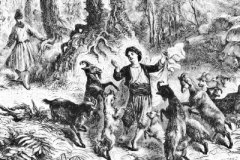
World & A brief introduction to the Development History of Coffee in China
Origin: coffee was first discovered in the kaffa region of southern Ethiopia in the 6th century AD. So far, there is no specific historical data about the origin of coffee, what has been handed down are several different legends, but it is more recognized that Cuddy, the shepherd, discovered the coffee. Legend has it that Kadi, a shepherd in Kafa province in southern Ethiopia, drives his sheep every day.
2014-09-02 Chinese Coffee Chinese Coffee History
The history of coffee
The world's first coffee tree was found in the Horn of Africa. Local indigenous tribes often grind the fruit of coffee and knead it with animal fat to make many ball-shaped balls. These indigenous tribes use these coffee balls as precious food for soldiers who are about to go out to battle.
2014-07-17 Coffee culture coffee history development origin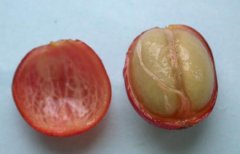
Magic "Blackwater"
In the eighth century AD, there was a magical black water called Qahwa in the Arabian Peninsula, which was said to restore physical strength, exuberance, and no sense of purpose. The tenth century Muslim philosopher and Iranian doctor Avicina Ibn Sina,980-1037 recorded a plant from Yemen called Bunchum, which is said to be something like coffee. As early as
2014-08-09 Coffee culture magic "Blackwater" coffee story
What kind of coffee is the most suitable for washing coffee bean washing method characteristics of coffee bean treatment method
First, the story of the shepherd legend around the tenth century AD, on the Ethiopian plateau of Africa, there was a shepherd Karl. One day he saw the goats suddenly looking very excited and excited. He thought it was strange, and then after careful observation, he found that the sheep were excited after eating some kind of red fruit. Carl tasted some curiously and found that he also felt after eating it.
2016-05-24 What kind of coffee variety suitable washing coffee beans treatment method animal husbandry
Coffee culture Coffee is regarded by Muslims as the gift of Allah
In the eighth century AD, there was a magical black water called Qahwa in the Arabian Peninsula, which was said to restore physical strength, exuberance, and no sense of purpose. The tenth century Muslim philosopher and Iranian doctor Avicina Ibn Sina,980-1037 recorded a plant from Yemen called Bunchum, which is said to be something like coffee. As early as
2014-12-18 Coffee culture coffee Muslims as Allah gifts divine fruit AD eighth century
World Coffee Development History Chronicle of Coffee Development
Memorabilia of the 6th century took place in the Abyssinia Plateau, when a shepherd named Caldai drove goats to the new prairie for grazing, and accidentally found coffee fruit because the goats ate a plant by mistake. At the beginning of the 10th century, Dr. Daggers, a famous doctor in Iraq, admitted and documented the pharmacological effects of coffee. This is one of the earliest valuable medical records of coffee.
2015-01-31 World Coffee Development History Chronicle of events 6th CenturyThe origin of coffee
Legend has it that three thousand years ago, shepherds and monks in the mountains of Ethiopia were excited to find that their sheep had eaten unknown fruits and leaves. They were initially regarded as medicines to treat mild headaches and diarrhea, and it was not until the fifteenth and sixteenth centuries that they evolved into the present method of drinking among Arabs. Second, spread and promote A. Coffee is the earliest.
2014-08-22 Coffee origin discovery legend three thousand years ago Yesso Pia Ethiop
Coffee or coffee beans, which kind of coffee beans are more suitable for hand brewing?
The origin of coffee plant can be traced back to millions of years ago, in fact, the real age when it was discovered can no longer be tested. It is only said that coffee is a shepherd named Kaldi in the highlands of Ethiopia. When he discovered that his sheep had inadvertently eaten the fruit of a plant, he became very lively and energetic, and discovered coffee ever since. All historians seem to be the same
2016-05-25 Coffee coffee beans type which kind more suitable hand brewing coffee plants
History of Coffee Culture Development Chronicle of Coffee Development
Memorabilia of the 6th century took place in the Abyssinia Plateau, when a shepherd named Caldai drove goats to the new prairie for grazing, and accidentally found coffee fruit because the goats ate a plant by mistake. At the beginning of the 10th century, Dr. Daggers, a famous doctor in Iraq, admitted and documented the pharmacological effects of coffee. This is one of the earliest valuable medical records of coffee.
2015-03-19 Coffee cultural history development history memorabilia 6th century born in