“th” search results (10662)

Taiwan coffee boutique coffee Taiwan coffee
In the 18th century, in 1884 (Guang Xu's 10th year), the British introduced coffee for trial planting in the three Gorges of Taipei. during the Japanese occupation era, the Japanese saw that Taiwan's climate and soil were suitable for coffee, so they introduced "Arabica" from abroad and successfully planted it in the north. Mizuho invested a lot in planting and had a good yield. In the 19th century, in 1941, the output was rich, the quality and flavor was good, which made coffee in Taiwan's complete victory period. No.
2016-05-19 Taiwan coffee flavor boutique 18th century 1884 Guang Xu 10 years
Interview with the winner of the 2013 American WBC barista contest
The 2013 American barista contest was held in Boston on April 14, 2013, where Mr. Pete Licata of Parisi Artisan Coffee Company of Kansas City, Missouri won the 2013 American barista contest. The top 6 contestants are: 1st: Pete Licata, Parisi Artisan Coffee
2015-09-02 2013 USA WBC Coffee Competition Champion interview
Coffee producing area-- Taiwan, China
In the 18th century, in 1884 (Guang Xu's 10th year), the British introduced coffee to the three Gorges in Taipei. during the Japanese occupation, the Japanese saw that Taiwan's climate and soil were suitable for coffee, so they introduced "Arabica" from abroad and successfully planted it in the north. Mizuho invested heavily in planting and had a good yield. In the 19th century, in 1941, the output was rich, the quality and flavor was good, which made coffee in Taiwan's complete victory period. No.
2014-08-21 Coffee knowledge coffee producing area Taiwan China
Introduction to the Flavor Manor of Yega Sheffivoka Coffee Variety producing area in Ethiopia
Ethiopia is an ancient country with a history of 3000 years of civilization. The Hamite people who immigrated from the southern Arabian Peninsula were the earliest inhabitants. Monlinique I reigned in 975 BC. The Kingdom of Nubia was established in the 8th century BC. From the 1st century to 976 AD, the Ethiopian Empire, also known as the Kingdom of Aksum, was established in Aksum in the north. Christianity was introduced into Ethiopia in the 4th and 5th centuries.
2016-09-22 Ethiopia Yega Sheffield Waka Coffee Variety producing area Flavor Taste
Introduction of Rwandan coffee beans described as "grass aroma"
Like many African countries, Rwandan coffee is mainly produced by small farmers, and the ripe cherry fruits are collected and sent to the processing station every year during the harvest period. Mushonyi (Muxiuyi) processing plant has an amazing award record. Apart from winning the COE Excellence Cup in 2010, it won the championship, 12th, 16th and 28th in four batches in 2011 alone!
2016-06-20 Description grass aroma Rwanda coffee beans introduction coffee many non
Innovative baking technology in the 20th century: the baking method using purely hot air flow
Innovative baking technology in the 20th century: pure use of hot air baking, of course, how could there be no innovative baking technology in this era of the twentieth century? In the middle of the twentieth century, there were two major milestones in the evolution from direct and indirect fire baking to hot air baking. In 1934, Garbeth Burns developed a machine called Thermalo
2015-04-13 The twentieth century innovation baking technology purity use heat flow the twentieth century
Kenyan coffee with a wonderful fruit flavor
It entered Kenya in the 19th century, when Ethiopian coffee drinks were imported into Kenya through southern Yemen. But it was not until the early 20 th century that the Bourbon Coffee Tree was saint. The Austin Mission (St.AustinMission) was introduced. Kenyan coffee is mostly grown at 15002100 meters above sea level and is harvested twice a year. To ensure that only ripe berries are picked, people must patrol the forest
2015-07-30 There is a wonderful fruit flavor coffee Kenya 19th century enter
Guangzhou Pearl River New Town CBD surprised 1 mosquito 1 cup of coffee! 70% discount on 1 jin of chest and ribs! Foodie blessed Land
Editor / Susu | Photography / Suckling Pig Zhujiang New Town CBD this new-era business district unexpectedly hides an English town! GretnaGreen Green Town, the first English tea restaurant in China, opened in Zhujiang New Town on January 8th. With exquisite civilian prices, what's so special about this English cafe? there are wine, coffee and stories, just waiting for you.
2016-01-08 Guangzhou Pearl River Metro CBD surprise 1 cup coffee full 1 jin heavy
Coffee memorabilia
In the Abyssinian plateau in the 6th century, a shepherd named Carl Dai, one day driving goats to the new grassland grazing, because of goat ingestion, and inadvertently found coffee fruit. Dr. Dajes, a famous doctor in Iraq in the early 10th century, acknowledged and documented the pharmacological effects of coffee. This is a valuable medical record of coffee's earliest days. 11th century Arabs invented the whole
2014-05-22 Coffee culture coffee stories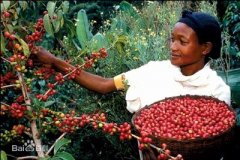
The history of coffee
The world's first coffee tree was found in the Horn of Africa. Local indigenous tribes often grind the fruit of coffee and knead it with animal fat to make many ball-shaped balls. These indigenous tribes use these coffee balls as precious food for soldiers who are about to go out to battle.
2014-07-17 Coffee culture coffee history development origin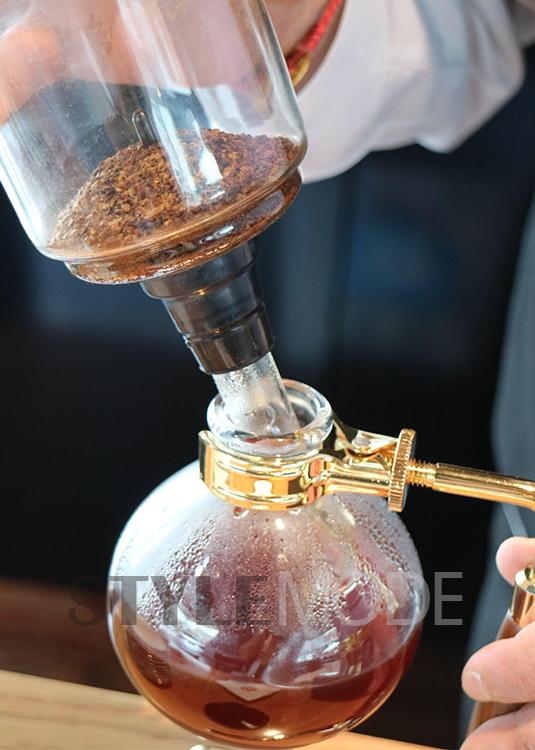
New information on domestic coffee competition: the 4th Pu'er Cup siphon Pot Competition landed in Beijing
The finals of the WSC (World Siphonist Championship) World siphon Pot Competition are held in Japan every September. Outstanding contestants from all over the world gather here to exchange skills, through smooth movements and rich coffee knowledge, while showing their coffee heritage, while transmitting their own elegant demeanor and connotation to the world. It is a very expressive and ornamental top in the coffee industry.
2015-12-08 Domestic Coffee Competition New Information fourth Pu'er Cup siphon
Starting with Coffee beans (48)-Asia-Taiwan
In the 18th century, in 1884 (Guang Xu's 10th year), the British introduced coffee for trial planting in the three Gorges of Taipei. during the Japanese occupation era, the Japanese saw that Taiwan's climate and soil were suitable for coffee, so they introduced "Arabica" from abroad and successfully planted it in the north. Mizuho invested a lot in planting and had a good yield. In the 19th century, in 1941, rich output and good quality and flavor led to the complete victory of coffee in Taiwan.
2014-06-13 Coffee beans Asia Taiwan China
Coffee Culture in Europe
Coffee formed a tradition in Europe after the development of coffee roasting technology in the Middle East at the end of the 14 th century. It was introduced through an exchange between the Ottoman Turkish Empire and the merchants of Venice, a Mediterranean trader. Coffee flourished in the 18 th century. Islamists call coffee a divine medicine given by Allah. So coffee is called coffee or cavha, which means it can bring energy to people.
2014-09-10 Coffee Culture European Coffee Culture Coffee Encyclopedia
The Wuhan Division of the World siphon Pot Coffee Competition officially kicked off and applications will close on December 7.
Reporter Cheng Yan correspondent Guo Qianwen last Saturday, the Wuhan preliminary competition of the 4th China Pu'er Coffee Cup World siphon Pot Competition was held in Lu teacher Coffee North Lake Store. The preliminary round is a warm-up for the final of the Wuhan Division to be held in CBD Chushijia on the 12th and 13th of next month. Wuhan competition area activities are hosted by this newspaper and CBD Chu Shijia, Wuhan Guanfu Tang Culture Media Co., Ltd. And Lu Lao
2015-12-04 The world siphon coffee competition Wuhan division officially kicked off signed up will
Introduction to the making method of coffee, one of the three major drinks in the world
The cultivation and production of coffee in the 17th century has always been monopolized by Arabs. At that time, it was mainly used in medicine and religion, and doctors and monks admitted that coffee had the effects of refreshing, awakening, strengthening the stomach, strengthening the body and stopping bleeding. The use of coffee was documented at the beginning of the 15th century and was integrated into religious ceremonies during this period. At the same time, it also appeared in the folk as a daily drink. Because of Islam
2016-06-29 World three Beverage one Coffee making way introduction 17th Century
The country of Mocha-- Yemen and Ethiopia introduced Mocha pot gold coffee
The word mocha first emerged in Europe in the 16th and 17th century, because coffee imported from the Arab world was transported from the port of Mocha in Yemen, so at first people used mocha as a synonym for coffee, so until the invention of the mocha pot in the 20th century, people took it for granted that this kind of coffee brewing apparatus was called mocha pot. As for the difference between Ethiopian mocha and Yemeni mocha
2016-04-13 Mocha country Yemen Ethiopia imported mocha pot gold medal coffee mocha
Ethiopian Yegashefi Aduo Coffee with rich body Flavor Characteristics
Ethiopia is an ancient civilization with a history of 3,000 years. The Hamites, who migrated from the south of the Arabian Peninsula, were the earliest inhabitants. Monnique I became king in 975 BC. In the 8th century BC, the Kingdom of Nubia was established. From the 1st century to 976 AD, the Ethiopian Empire was established in Aksum in the north, also known as the Kingdom of Aksum. Christianity was introduced to Ethiopia in the 4th and 5th centuries.
2016-08-24 thickness richness ethiopia yega sherry blossoming coffee flavor taste
Where on earth does coffee come from?
Around 900 AD, when a shepherd in the Cafa region of Ethiopia was grazing in the mountains, he found that the sheep were competing for a kind of red berry. After eating, the sheep were jubilant, and the shepherd was worried all night that his sheep had eaten some harmful food. Who knew the sheep were safe and sound the next day. This unexpected discovery prompted the shepherd to collect this wild fruit and boil juice to quench his thirst.
2014-05-27 Coffee culture coffee history coffee drinking
Where on earth does coffee come from?
Around 900 AD, when a shepherd in the Cafa region of Ethiopia was grazing in the mountains, he found that the sheep were competing for a kind of red berry. After eating, the sheep were jubilant, and the shepherd was worried all night that his sheep had eaten some harmful food. Who knew the sheep were safe and sound the next day. This unexpected discovery prompted the shepherd to collect this wild fruit and boil juice to quench his thirst.
2016-10-14 Coffee after all Lilai AD 900 around Ethiopia Cafa region one
Coffee Roaster Large Industrial Roaster
After the American Civil War, coffee beans first appeared packaged for sale on shelves in major cafe systems. By the end of World War II, the dominant commodity in the North American coffee market was pre-roasted coffee beans/pre-ground coffee powder made by large roasters, and this type of high-volume roasting technology with centralized and standardized requirements was called coffee.
2015-04-14 Coffee Roaster Large Industrial Bean Roaster Type United States Civil War After