“stems” search results (507)

The various parts of the coffee plant decompose the shallow root crop of coffee.
Coffee is a shallow root crop, and the plants propagated with seeds have conical roots. Root system refers to the general name of root. The root morphological distribution and depth of shade varieties / soil conditions and agricultural technical measures are different. From the point of view of varieties, the roots of small / medium grain species are shallower, while those of large grain species are deeper. Under normal circumstances, there is a thick and short taproot and many well-developed lateral roots. Yunnan small-grain coffee has a 4-year-old fruit.
2015-09-23 Coffee plants parts decomposition shallow roots crops coffee species
Control of Diseases and pests in Coffee
(1) Pest control 1. Coffee tiger longicorn beetles are distributed in all coffee producing areas in the world, and also occur in Yunnan, Guangxi and Hainan Island in China. It is one of the major pests of coffee. The coffee tiger longicorn beetle harms the coffee trunk for more than 2 years. At first, it eats between the cambium and xylem, and then eats the xylem. The victim was in a curved tunnel filled with sawdust.
2015-10-07 Coffee diseases and pests control diseases pests
Fine Coffee-Yunnan small Coffee
Yunnan is the main coffee bean producing area in China. Yunnan is located in the subtropical mountain climate zone south of the Tropic of Cancer, with unique plateau red soil, fertile and loose soil and mild climate, which is especially suitable for growing small-grain coffee. Yunnan coffee was first introduced by French missionaries in 1902. Up to now, there are still 24 coffee trees with more than 90 years old in Zhukula Township, Binchuan County. Rui Lijing, 1914
2014-09-13 Fine coffee Yunnan small grain coffee
Coffee beans Coffee varieties Yunnan Arabica coffee
Yunnan is China's main coffee producing area. Yunnan is located in the subtropical mountain climate zone south of the Tropic of Cancer, with unique plateau red soil, fertile loose soil, mild climate, especially suitable for planting small coffee species. Yunnan coffee was first introduced by French missionaries in 1902. Up to now, 24 coffee trees with more than 90 years old still grow in Zhukula Township, Binchuan County. 1914 Ruili Jing
2015-01-04 boutique coffee beans coffee type yunnan small china essential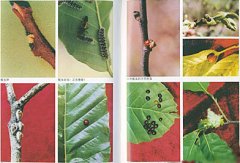
Common Diseases and pests in Coffee cultivation and Prevention and Coffee basic knowledge
(1) Pest control 1. Coffee tiger longicorn beetles are distributed in all coffee producing areas in the world, and also occur in Yunnan, Guangxi and Hainan Island in China. It is one of the major pests of coffee. The coffee tiger longicorn beetle harms the coffee trunk for more than 2 years. At first, it eats between the cambium and xylem, and then eats the xylem. The victim was a curved tunnel filled with sawdust.
2015-10-07 Coffee planting common diseases and insect pests control methods basics common sense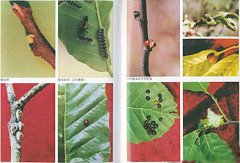
Common Coffee Diseases and pests in Coffee cultivation and Control methods
It is distributed in all coffee producing areas in the world, and it also occurs in Yunnan, Guangxi and Hainan Island in China. It is one of the major pests of coffee. Coffee longicorn beetles, which damage the coffee trunk by larvae for more than 2 years, initially eat between the cambium and xylem, and then eat (1) pest control. 1. Coffee tiger longicorn beetles are distributed in all coffee producing areas in the world. Yunnan, Guangxi and Hainan, China
2015-02-16 Coffee common sense planting common diseases and insect pests prevention and control methods
Bees also love caffeine, call friends, coffee pollen.
Coffee can be refreshing, and a study shows that it has the same effect on bees. A study from the University of Sussex in the UK shows that coffee is not only loved by people, but also by bees. The stems, leaves and seeds of some plants contain caffeine, which can be used as a natural insect repellent and attract bees to pollinate honey. The researchers tried to expose bees to caffeine and found
2016-06-08 Bees caffeine friends coffee pollen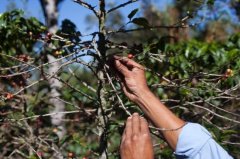
The US government has funded research on how to eliminate the deadly fungus of coffee beans.
Coffee is sick, too. The US government is stepping up efforts to help Central American farmers fight a devastating coffee disease in an effort to stem the rise in coffee prices, Hong Kong's East net reported on May 19. It is reported that the fungus, known as coffee rust, has caused more than $1 billion (6.23 billion yuan) in damage in Latin America. This fungus is used to make high-end and specialty coffee.
2014-07-30 Coffee beans
The branches of coffee
The branches of coffee can be divided into the following categories according to their growing position and growth direction: a branch: there are two kinds of buds in the axils of the main leaves of coffee. The opposite branch is drawn laterally from the upper bud of the trunk (developing at the same time as the terminal bud of the trunk), which is called a branch. Second branch: a branch drawn from the axil of a branch at an angle of 45-60 degrees is called a second branch, which is shorter than a branch. A branch regularly drawn from the axils of a bifurcated leaf.
2014-08-07 Coffee branches coffee according to their birth position and growth direction divided into
The branches of coffee.
The branches of coffee can be divided into the following categories according to their growing position and growth direction: a branch: there are two kinds of buds in the axils of the main leaves of coffee. The opposite branch is drawn laterally from the upper bud of the trunk (developing at the same time as the terminal bud of the trunk), which is called a branch. Second branch: a branch drawn from the axil of a branch at an angle of 45-60 degrees is called a second branch, which is shorter than a branch. A branch regularly drawn from the axils of a bifurcated leaf.
2014-12-19 Coffee basic Common sense branches according to its growth position and growth
Panamanian Coffee Variety Kaduai catuai Catura Caturra bourbon bourbon
Boutique coffee (specialty coffee) is also called specialty coffee selection coffee. It refers to coffee made from a small number of raw beans with excellent taste grown in an ideal geographical environment. Depending on the special soil and climatic conditions in which they grow, they have outstanding flavor. After strict selection and classification, this kind of coffee is hard in texture, rich in taste and stylish.
2016-06-23 Panama Coffee Variety Kadu catuai Tula Caturra
Introduction to high-quality coffee
Introduction of coffee [scientific name] small seed species is Coffea arabica L., medium grain species is Coffea canephora, large seed species is Coffea liberica [alias] small seed species, also known as Arabian species, medium seed species is also known as Ganfla species, large grain species are also known as Liberian species, there are two common species: Arabica and Robusta. Coffea, Rubiaceae (Rubia)
2014-11-06 Coffee knowledge boutique coffee science coffee introduction
The branches of coffee continue the common sense of planting coffee trees.
The branches of coffee can be divided into the following categories according to their growing position and growth direction: a branch: there are two kinds of buds in the axils of the main leaves of coffee. The opposite branch is drawn laterally from the upper bud of the trunk (developing at the same time as the terminal bud of the trunk), which is called a branch. Second branch: a branch drawn from the axil of a branch at an angle of 45-60 degrees is called a second branch, which is shorter than a branch. A branch regularly drawn from the axils of a bifurcated leaf.
2015-03-27 Coffee branches planting continue common sense coffee according to its birth position and
Beginners coffee pulling skills
Into the Europa coffee, I began to slowly learn to use the semi-automatic coffee machine to make espresso, at the same time, slowly began to learn to pull flowers.
2014-08-30 Coffee knowledge beginners pull flowers coffee pull flowers tips
Cultivation Techniques of Coffea arabica in Yunnan
Control methods: ① strengthen management, reasonable pruning, appropriate shade. (2) Artificial killing of adults and larvae, timely cutting down and burning of damaged branches. 2. Coffee leopard wood moth. It is widely distributed and is one of the common coffee pests, which can harm a variety of economic crops. The larvae overwinter in the branches, and the larvae often eat upward in the branches, forming a tunnel of 30~60 cm. Prevention methods: ①
2014-07-22 Coffee knowledge Arabica coffee Coffee cultivation Coffee encyclopedia
The beautiful encounter led to the birth of Irish coffee.
Who invented the Irish coffee with the warmth of whisky, the mellowness of coffee and the delicacy of cream foam? This stems from a beautiful encounter when the bartender at Dublin airport met and fell in love with a stewardess who he thought was like Irish Whiskey, fragrant and mellow. But every time she came to the bar, she always lit a different coffee with her mood, never ordered it.
2015-02-12 Beauty encounter reminder Ireland coffee birth have whisky warm
The branches of coffee can be divided into the following categories according to their location and growth direction.
The branches of coffee can be divided into the following categories according to their growing position and growth direction: a branch: there are two kinds of buds in the axils of the main leaves of coffee. The opposite branch is drawn laterally from the upper bud of the trunk (developing at the same time as the terminal bud of the trunk), which is called a branch. Second branch: a branch drawn from the axil of a branch at an angle of 45-60 degrees is called a second branch, which is shorter than a branch. A branch regularly drawn from the axils of a bifurcated leaf.
2015-05-15 Coffee branches according to its bearing position growth direction divided into the following several categories
Cultivation techniques of small Coffee knowledge of Coffee planting
Prevention and treatment methods: ① strengthen management, reasonable pruning, appropriate shade. ② artificially killed adults and larvae, cut off the damaged branches and burned them in time. two。 Coffee leopard bark moth. It is widely distributed and is one of the common coffee pests, which can harm a variety of cash crops. The larvae overwintered in the branches, and the larvae often ate upward in the branches, forming a tunnel of 30cm to 60cm. Prevention and control methods:
2015-02-25 Small grains coffee cultivation techniques planting knowledge control methods strengthening management reasonable
The beautiful encounter of coffee common sense led to the birth of Irish coffee
Who invented the Irish coffee with the warmth of whisky, the mellowness of coffee and the delicacy of cream foam? This stems from a beautiful encounter when the bartender at Dublin airport met and fell in love with a stewardess who he thought was like Irish Whiskey, fragrant and mellow. But every time she came to the bar, she always lit a different coffee with her mood, never ordered it.
2015-04-02 Coffee common sense beauty encounter reminder Ireland birth whisky heat
Espresso the leader of Italian coffee.
Espresso is a well-known chain brand established after the staff of Italian espresso headquarters returned from studying in Italy, headquartered in Beijing. The success / popularity / brilliance of espresso stems from the business philosophy of professionalism, concentration and experts, the appeal of the original cultural essence of Italian coffee and the accurate introduction of the original flavor of espresso and western food. Espresso flag
2015-10-06 Italian strong coffee Italy pilot headquarters personnel learning