“smelly” search results (607)

The practice and introduction of Jamaica Blue Mountain Coffee
Gently shake the beaker to make the coffee liquid even, about 87 degrees is the ideal drinking temperature, you can pour into the heated coffee cup to enjoy. Note: avoid brewing coffee repeatedly, because after the second brew, you can only get smoky brown water instead of coffee. When the beaker is in high heat, avoid contact with cold water and cause rupture, and pay attention to the absence of water or
2016-06-15 Jamaica Blue Mountain coffee practice introduction gently shake beaker eighty
What are the stages of coffee roasting? Coffee roasting record table
Italian Roast: Degree of baking; very deep baking, also known as Italian Roast. Also known as Italian roast, roast degree before carbonization, burnt taste, mainly popular in Latin countries, suitable for fast coffee and cappuccino. Most of them are used in espresso coffee. French Roast: degree of baking; deep baking, also known as French baking
2016-06-07 coffee beans roast which stages coffee log sheet very deep Ital
Elegant fruity wine Ethiopian Yega Sheffield Adordo Coffee Grade Flavor description Manor
1. Planting system and environment the mountain stream village in the Yega Xuefei producing area is cool and foggy, like spring all the year round, with a gentle breeze in summer, cool but not hot, rain but not damp, and no cold damage in winter, which is the best environment for planting Arabica. There are no large coffee plantations. Coffee farmers mix coffee with other crops, usually under banana trees, to form a unique landscape. 2. Deal with
2016-10-06 Elegant fruit wine fragrant Ethiopia Yega Sheffield Duoduo coffee grade
Very thick mellow shell fermentation mellow thick civet coffee flavor, characteristics, taste and manor
Civet Coffee (Kopi Luwak), native to Indonesia. It is one of the most expensive coffee in the world, with a price of several hundred dollars per pound. It is extracted from the feces of the civet and processed. The civet eats the ripe coffee fruit and is excreted through the digestive system. After it is fermented through the stomach, the coffee produced has a special taste and has become a grab in the international market.
2016-09-01 Special thick mellow shell fermentation musk coffee flavor characteristics
Wet Processing of Yunnan Coffee Bean
We all know that there are two main types of coffee bean processing: dry processing and wet processing. This blog post has a detailed introduction from coffee trees to coffee. Next, let's look at the wet processing of Yunnan coffee beans. After harvesting, the berries are either sent directly to the pulp collector (in the case of a good harvest) or concentrated in a siphon tank filled with water. Berries in this
2014-09-10 Yunnan coffee beans
Introduction to the description and treatment of geographical characteristics and flavor in Sidamo, Ethiopia
Ethiopian coffee beans in the past, the Ethiopian sun drying method used to spread wild coffee fruits directly on the mud ground for exposure. This method has two disadvantages: 1. After picking beans without special screening and treatment, uneven appearance and maturity are mixed together, the process is relatively rough, so the quality of coffee beans is unstable and prone to defective beans. two。 Coffee farmer
2016-10-21 Ethiopia Dharma producing areas Geography characteristics Flavor description treatment varieties
Breed characteristics of fermented thick civets Coffee introduction to Fine Coffee beans in Manor
Civet Coffee (Kopi Luwak), native to Indonesia. It is one of the most expensive coffee in the world, with a price of several hundred dollars per pound. It is extracted from the feces of the civet and processed. The civet eats the ripe coffee fruit and is excreted through the digestive system. After it is fermented through the stomach, the coffee produced has a special taste and has become a grab in the international market.
2016-09-01 Fermented alcohol thick musk coffee variety characteristics taste manor boutique coffee beans
Why is it called Kopi Luwak? Three questions about Kopi Luwak
Kopi Luwak, also known as civet coffee, is one of the most expensive coffee in the world, costing hundreds of dollars per pound. So, is Kopi Luwak really made of cat shit? Where does it come from? Is Kopi Luwak really delicious when it is so expensive? Question 1. Is Kopi Luwak really made of cat shit? In Southeast Asia, there is a wild hybrid called Luwak.
2015-03-17 Why cat coffee about cat shit question also called musk
How to treat Yunnan coffee beans
As harvest season draws to a close, I would like to add an overview of the coffee processing process. In this blog post, I will introduce you to the wet processing steps after coffee picking in Yunnan. After harvest, the berries are either sent directly to a pulp collector (if the harvest is done well) or collected in a siphon tank filled with water. Berries are here.
2016-05-25 Yunnan coffee beans how processing wet planing harvest season immediately passed in
Notes and tricks for tasting coffee
In people's impression, coffee seems to be tied to milk and sugar.
2014-06-16 Coffee knowledge coffee tasting coffee encyclopedia
Thick fermented alcohol civet coffee variety characteristics taste Manor boutique coffee beans flavor introduction
Civet coffee (cat poop coffee), produced in Indonesia. It is one of the most expensive coffees in the world, with a price of several hundred dollars per pound. It is extracted from the feces of the civet cat and processed. The civet eats the ripe coffee fruit and passes it out of the digestive system. Due to the fermentation of the stomach, the coffee produced has a special taste and has become a competitor in the international market.
2016-09-02 Thickening Fermented alcohol Musk Coffee Variety Characteristics Taste Manor Fine Coffee beans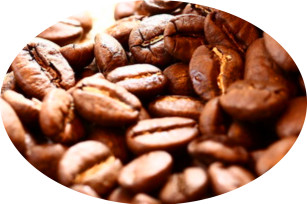
Civet Coffee Flavor Civet Coffee Features Civet Coffee Taste
Cow coffee is produced from the feces of Indonesian coconut cats (a civet cat), so it is called cat poop coffee. This kind of animal mainly feeds on coffee beans. After fermentation in the coconut cat stomach, protein is destroyed, short peptides and more free amino acids are produced, the bitter taste of coffee will be reduced, and the feces discharged will be the main raw material. Since coffee beans cannot be digested, they will be discharged.
2016-08-29 musk coffee flavor characteristics taste is made from indonesia coconut a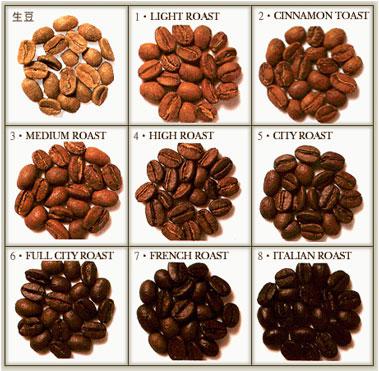
Breed characteristics of fermented thick civets Coffee introduction to Fine Taste Coffee Bean in Manor
Civet Coffee (Kopi Luwak), native to Indonesia. It is one of the most expensive coffee in the world, with a price of several hundred dollars per pound. It is extracted from the feces of the civet and processed. The civet eats the ripe coffee fruit and is excreted through the digestive system. After it is fermented through the stomach, the coffee produced has a special taste and has become a grab in the international market.
2016-09-05 Fermented alcohol thick musk coffee variety characteristics manor boutique taste coffee beans
Ethiopian Yega Sheffield Coffee producing area
Although the Ethiopian Yirgacheffe coffee is petite, it is gentle and delicate and sweet. As the hometown of coffee, thousands of years of planting history and processing tradition in Ethiopia have created high-quality washed Arabica beans. Light baking has unique sweet aromas of lemon, flowers and honey, soft acidity and citrus flavors, fresh and bright on the palate. No.
2016-04-30 Ethiopia Yega Sheffield Coffee producing areas
Starting from "smell", coffee fragrance has been floating in abandoned public toilets for 50 years.
Can you imagine drinking coffee in a public toilet that has been abandoned for more than 50 years? This is not the latest trick, but two Londoners have rebuilt a public toilet that has been abandoned for nearly half a century into a themed coffee shop. The idea of purifying the community environment with the smell of coffee is not only interesting, but also promotes London, injecting a dose of alternative thinking, in addition to updating the appearance of urban architecture.
2014-04-27 Smell do 50 years abandoned public toilet coffee can imagine sit
A brief introduction to the Source of Musk Coffee
Muscat coffee (Kopi Luwak), Kopi (Indonesian, coffee), Luwak refers to a kind of arboreal wild animal commonly known as civet in Indonesia. In Sumatra, Indonesia, locals call civets Musang rather than the commonly used Luwak,Kopi Musang is civet coffee, commonly known as Kopi Luwak. From "Coffee Fine Science"
2016-06-01 Musk coffee source profile musk Kopi Luwak seal
The "fruit" state of coffee beans when they are picked from a tree
From the fruit state of coffee beans when they are picked from the tree to the state of raw beans that can be baked, the moisture content of coffee beans will be controlled between 9% and 13%, and it is not easy to bake if the water content is too high or too low. Generally, we get newly collected raw beans with water washing treatment, the moisture content is usually about 11.5% to 12.5%, half-washed Mantenin may reach 13%, and half-washed Brazil is 11% ~ 12% per day.
2015-09-22 Coffee beans on the tree picking fruit status coffee beans trees shape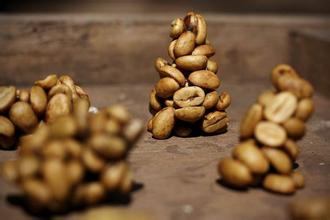
Civet Coffee latest Coffee introduction to the production of Kopi Luwak Fine Coffee
Kopi Luwak and civet coffee is a kind of boutique coffee which is different from other coffees. compared with other coffee beans, it can be said to be one of the boutique coffee. Known as processed and roasted, Kopi Luwak has become a luxury coffee drink and spread to luxury kingdoms around the world. Local coffee farmers, in pursuit of high profits, will go wild
2015-12-10 Musk coffee latest introduction cat shit boutique production way
Step Analysis of Wet treatment of Coffee after picking
As the harvest season is almost over, I would like to add an overview of the coffee processing process. In this blog post, I will introduce to you the steps of wet treatment in Yunnan after coffee picking. After harvest, the berries are either sent directly to the pulp collector (if the harvest is done well), or concentrated in a siphon tank filled with water. The berries are here.
2015-05-11 Coffee picking later processing steps analysis harvest season right away over.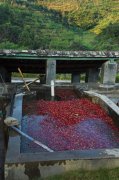
Wet treatment methods and steps of Yunnan coffee beans
As the harvest season is almost over, I would like to add an overview of the coffee processing process. In this blog post, I will introduce to you the steps of wet treatment in Yunnan after coffee picking. After harvest, the berries are either sent directly to the pulp collector (if the harvest is done well), or concentrated in a siphon tank filled with water. The berries are here.
2014-07-09 Yunnan coffee beans wet treatment of coffee beans Yunnan small coffee beans