“shells” search results (3423)

What is the knowledge of boutique coffee beans? What is "new bean"?
Just like rice has new rice, old rice, old rice, coffee also has new coffee, old coffee, old coffee. New coffee is called new beans, which refers to the raw beans harvested that year (now the coffee in Yunnan is ripe, don't miss it). The raw coffee beans produced the year before were called Past crop. The raw beans harvested in earlier years are called old beans. In Japan, some shops under the name of old beans will produce coffee.
2015-04-03 Boutique coffee beans knowledge what is meant old beans new beans like rice new rice old rice
The harvest and processing process of coffee beans and two basic processing methods
Picking: due to climatic differences, the harvest season is usually from September to March in the Northern Hemisphere and from April to August in the Southern Hemisphere. When the coffee beans are ripe, they can be picked. In many alpine slopes, coffee must be picked manually. In relatively flat producing areas such as Brazil, Australia and Hawaii, they can be picked by machines. These two methods
2015-11-05 Coffee beans harvesting processing process and two basic treatment methods picking
What is a coffee cup test?
The quality of coffee is judged by the sense of taste, which is called the "coffee cup test", while the person who evaluates it is called the "anatomist".
2014-06-11 Coffee knowledge coffee cup test coffee encyclopedia
Introduction of Ten types of defective beans in the Common sense of Fine Coffee
Before selecting defective beans, raw beans need to be screened in order to make the beans uniform in size. You can use three different sizes of special custom screen, or you can use the metal screen sold in general horticultural shops, but pay attention to the size. The purpose of sieving is to separate the size of beans and remove impurities. The next step is hand-selected. In order to improve the efficiency of hand selection, some props must be used, including
2015-04-17 Boutique coffee common sense top ten defects types introduction
Introduction of several kinds of defective beans
Moldy beans: because of incomplete drying, or damp in the process of transportation and storage, cyan and white molds grow, which sometimes make the beans stick together. If these moldy beans are not removed, they will produce moldy smell. Dead beans: beans with abnormal results. The color is not easy to change because of baking, so it is easy to distinguish. The flavor is thin, as harmful as silver skin, and will become different.
2014-05-16 Coffee knowledge coffee defective beans
Coffee beans are processed by drying.
Fine coffee beans must be good quality beans without blemishes. It should have outstanding flavor, not without bad taste, but taste particularly good, coffee bean processing coffee beans refined processing about rough processing, separation, classification, fermentation, drying, shelling, polishing, classification, etc. 8 procedures. There are two ways to prepare coffee beans for the roasting process. The method chosen for coffee
2016-05-24 coffee beans processing way drying fine must flawless quality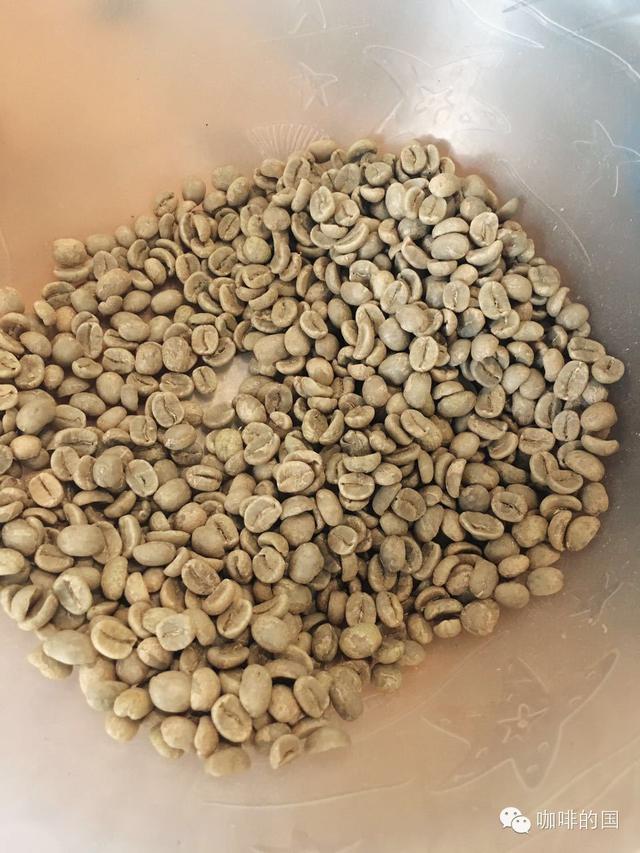
How to select defective beans? What are the categories of defective beans? Recognize all kinds of common defective beans
All black beans / partial black beans: raw beans that are supposed to appear light turquoise turn black. Immature beans are over-fermented in the process of refining, resulting in microbial infection, mixed taste, sour smell, mildew smell, drug taste and so on, which may contain biotoxins. Sour beans / local sour beans: raw beans have a yellow, yellowish-brown or reddish-brown appearance, usually accompanied by blackened germs, harvested or after harvest
2015-12-17 How to select flaw class which cognition various common black bean local
High-quality coffee beans knowledge coffee ten kinds of defective beans
One of the most important factors affecting the quality of coffee is defective beans. The number of defective beans also affects the grade of coffee. For example, the coffee evaluation method used in Brazil is the deduction method, which is graded according to the number of defective beans in 300 grams of staple beans per gram. For example, coffee is hand-selected, so successful hand-selection is also necessary to have a comprehensive understanding of the types of defective beans.
2015-01-08 Boutique coffee beans knowledge coffee top ten defects types quality important
Common sense of coffee processing and identification of coffee beans
Drying is a method of preparing coffee beans for the roasting process. It is the cheapest, simplest and most traditional processing method of coffee beans. When processing, the harvested fruit should be spread on the cement floor, brick floor or straw mat. Ideally, the fruits should be raked flat in the sun and at regular intervals to prevent fermentation. About four weeks later, each fruit
2014-11-10 Coffee knowledge coffee common sense coffee beans processing identification
Introduction of several defective beans of Coffee beans
Moldy beans: because of incomplete drying, or damp in the process of transportation and storage, cyan and white molds grow, which sometimes make the beans stick together. If these moldy beans are not removed, they will produce moldy smell. Dead beans: beans with abnormal results. The color is not easy to change because of baking, so it is easy to distinguish. The flavor is thin, as harmful as silver skin, and will become a peculiar smell.
2014-10-08 Coffee knowledge coffee defective beans
Basic knowledge of coffee processing and identification of coffee beans
Drying is a method of preparing coffee beans for the roasting process. It is the cheapest, simplest and most traditional processing method of coffee beans. When processing, the harvested fruit should be spread on the cement floor, brick floor or straw mat. Ideally, the fruits should be raked flat in the sun and at regular intervals to prevent fermentation. About four weeks later, each fruit
2015-04-20 Coffee basics common sense coffee beans processing identification drying roasting process preparation
The harvest and processing process of coffee beans and two basic processing methods
Picking: due to climatic differences, the harvest season is usually from September to March in the Northern Hemisphere and from April to August in the Southern Hemisphere. When the coffee beans are ripe, they can be picked. In many alpine slopes, coffee must be picked manually. In relatively flat producing areas such as Brazil, Australia and Hawaii, they can be picked by machines. These two methods
2015-11-09 Coffee beans harvesting processing process and two basic treatment methods picking
Factors affecting the quality of coffee beans in terms of harvest, processing, treatment and storage
The annual winter, that is, the dry season is the harvest time for coffee beans. After three to four years of growth, the coffee trees gradually mature and begin to bear fruit. The fruits are arranged in strings or clumps next to the branches. The coffee beans are wrapped in a red coat and can be picked as soon as they turn red. Most Arabica coffee beans mature in June and August, while Robasta coffee beans mature in September and October, so although
2015-11-03 Coffee beans harvesting processing storage impact quality factors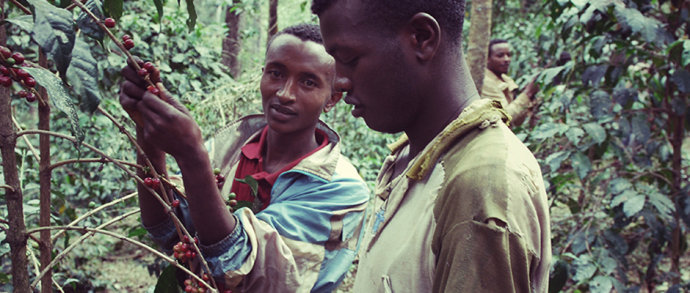
The harvest and processing flow and two basic processing methods of coffee beans in India and West Asia.
Picking: due to climatic differences, the harvest season is usually from September to March in the Northern Hemisphere and from April to August in the Southern Hemisphere. When the coffee beans are ripe, they can be picked. In many alpine slopes, coffee must be picked manually. In relatively flat producing areas such as Brazil, Australia and Hawaii, they can be picked by machines. These two methods
2015-12-29 India West Asia producing areas coffee beans harvesting processing processes and two basic
Processing of coffee beans after harvest
Coffee beans must be processed immediately after harvest to avoid spoilage. Producers use two treatments: solarization and cleaning. An effective sun-drying method is to spread the berries evenly in the yard and stir the dehydrated berries occasionally to heat and aerate them evenly. The dried berries are then placed in a machine that crushes the outer shell and simultaneously removes the outer shell and the layer of parchment that surrounds it
2014-08-09 Coffee knowledge Coffee bean harvesting Coffee bean processing
How many kinds of coffee do you know about the ten kinds of defective beans?
One of the most important factors affecting the quality of coffee is defective beans. The number of defective beans also affects the grade of coffee. For example, the coffee evaluation method used in Brazil is the deduction method, which is graded according to the number of defective beans in 300 grams of staple beans per gram. For example, coffee is hand-selected, so successful hand-selection is also necessary to have a comprehensive understanding of the types of defective beans.
2014-09-05 Ten kinds of coffee defective beans coffee defective beans coffee beans
Coffee basic knowledge boutique coffee beans several kinds of defective beans introduction
Moldy beans: because the drying is not complete, or in the transportation, storage process damp, and grow cyan, white mold, sometimes make beans stick together, if not remove these moldy beans, will produce mold odor. Dead beans: beans that bear abnormal fruit. The color is not easily changed by baking, so it is easy to distinguish. Flavor thin, with silver skin
2014-11-21 Coffee knowledge coffee knowledge defective beans
Starbucks accompanying card transformation phone case sweep can buy coffee
Starbucks Japan will soon launch a new series of "STARBUCKS TOUCH," breaking through the previous card format, presented in the shape of a phone case, and built-in FeliCa inductive IC chip. In the future, consumers will be able to pay quickly through this "accompanying shell" and enjoy Starbucks coffee without having to take the accompanying card out! Since Japan introduced the accompanying card in 2002, the total
2015-11-05 buck follow card change skill case one hit coffee japan
It turns out that it takes 10 steps to go from coffee seed to coffee.
A coffee bean is actually a seed. After drying, baking and grinding, it can be extracted.
2016-08-04 It turns out that coffee seeds need 10 steps
Introduction to Coffee basic knowledge, Fine Coffee and defective beans
Moldy beans: because of incomplete drying, or damp in the process of transportation and storage, cyan and white molds grow, which sometimes make the beans stick together. If these moldy beans are not removed, they will produce moldy smell. Dead beans: beans with abnormal results. The color is not easy to change because of baking, so it is easy to distinguish. The flavor is thin, as harmful as silver skin, and will become a peculiar smell.
2014-12-30 Coffee basics common sense boutique defects introduction mildew because dry incomplete