“seven major” search results (600)

Seven genres of hand-brewed coffee
Coffee no one decides what you do, as long as it tastes good, so there are many kinds of methods, that is, we often say that hand-made genre, hand-made genre, this kind of thing, diversified, but its purpose is only one, to make good coffee while there is no lack of entertainment. So correct cognition is necessary, so don't follow blindly. Today, let's talk about several methods of hand flushing, which are: volcano
2016-09-02 Hand brewing coffee seven major genres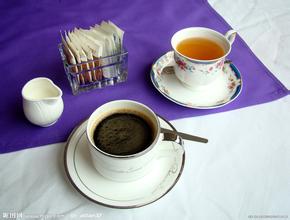
Introduction to the Flavor of Fine Coffee beans in the Coffee Variety producing area of La Tisa Manor in Guatemala
Coffee was really introduced into Guatemala in 1750 by Father Jesuit, and the coffee industry was developed by German colonists at the end of the 19th century. Today, most of the coffee industry's production takes place in the south of the country. There are seven major coffee producing areas in Guatemala, and the flavor of the coffee produced in each area is different, but to sum up, the coffee in Guatemala is all
2016-09-22 Guatemala Ratti Manor Coffee Variety producing area Fine goods Coffee beans Flavor
Panama Coffee Estate Emerald Estate Introduction Baru Volcano Coffee Region
The species Geisha was discovered in 1931 in Ethiopia's Guisha Forest and sent to the Coffee Institute in Kenya; introduced to Uganda and Tanzania in 1936, Costa Rica in 1953, Panama in the 1970s by Francesco de la Domba Seven Farm. Mr. Serrazin picked up seeds from CATIE in Costa Rica and started growing rosewood coffee.
2016-07-11 Panama Coffee Manor Emerald Introduction Baru Volcano Region Guixia Ge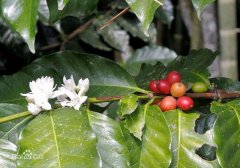
Washed coffee and ripe beans at Diamond Hill Manor in Costa Rica
Costa Rican coffee cultivation was introduced by Cuba in 1779 and exported for the first time in 1820. There are about 32000 coffee farmers, with an average planting area of less than one hectare (10000 hectares) per farmer. Costa Rica has a population of 41 billion (2006), with a coffee planting area of 82500 hectares and an annual production of 1.7 million bags (60kgs per bag). The annual domestic consumption is 380000 bags.
2016-05-08 Costa Rica Stone Mountain Manor Water washing Coffee cooked beans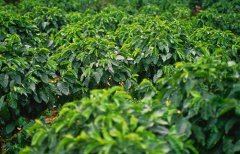
Costa Rican Diamond Hill Manor washed SHB Kaddura Fine Coffee American Coffee
Costa Rican coffee cultivation was introduced by Cuba in 1779 and exported for the first time in 1820. There are about 32000 coffee farmers, with an average planting area of less than one hectare (10000 hectares) per farmer. Costa Rica has a population of 41 billion (2006), with a coffee planting area of 82500 hectares and an annual production of 1.7 million bags (60kgs per bag). The annual domestic consumption is 380000 bags.
2016-07-07 Costa Rica Stone Mountain Manor Water washing SHB Dula Fine goods Coffee America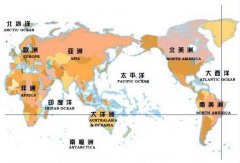
Deep roasting of coffee cooked beans in Costa Rica Saint Roman Water washing Plant in Tarazhu production area
Costa Rica is the country where coffee was first introduced into Central America. It has a long history and has a complete coffee organization from production to marketing system. Because it is located in the Central American Gorge, there are many volcanoes, it has the natural advantages of sunshine and land, and the climate is reconciled by Pacific and Atlantic currents and sea breeze at the same time, the coffee produced has the characteristics of local micro-climate, in terms of quality and quantity.
2016-07-07 Tara production area depth Baking Costa Rica Roman washing processing Plant Coffee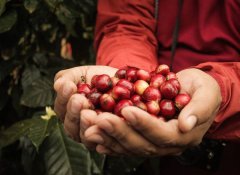
Costa Rica where coffee beans are grown in Central and South America.
Costa Rican coffee cultivation was introduced by Cuba in 1779 and exported for the first time in 1820. There are about 32000 coffee farmers, with an average planting area of less than one hectare (10000 hectares) per farmer. Costa Rica has a population of 41 billion (2006), with a coffee planting area of 82500 hectares and an annual production of 1.7 million bags (60kgs per bag). The annual domestic consumption is 380000 bags.
2016-05-07 Central and South America planting coffee beans origin suitable for Costa Rica Costa Rica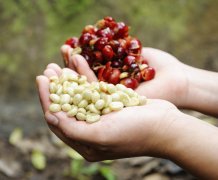
Costa Rica Diamond Hill Estate washed coffee ripe beans boutique coffee beans
Costa Rican coffee cultivation was introduced from Cuba in 1779 and exported for the first time in 1820. There are about 32,000 coffee farmers in Costa Rica, with an average cultivation area of less than one hectare (10,000 m2) per farmer. Costa Rica has a population of 4.1 million (2006), coffee cultivation area of 82,500 hectares, annual production of 1.7 million bags (60kgs per bag), annual domestic consumption of 380,000 bags, flat
2016-05-14 Costa Rica Stone Mountain Manor Wash Coffee Ripe Beans Fine Coffee Beans
Costa Rican Coffee with full grains and ideal acidity Coffee flavor and taste of Saint Roman Manor
The seven provinces are: Alajuela Alajuela (central, northwest of San Jose), Catago Cartago (central, east of San Jose), Guanacaster Guanacaste (northwest), Eredia Heredia (central, north of San Jose), Limon Limn (east, along the Caribbean), Pentalenas Puntarenas (west, along the Pacific Ocean), San Jose San
2016-08-31 Granule plump acidity ideal Costa Rica coffee Roman manor flavor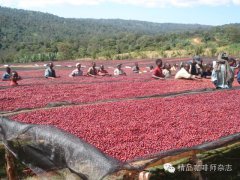
Costa Rica Diamond Hill Manor in Costa Rica washed SHB Kaddura boutique coffee beans
Costa Rican coffee cultivation was introduced by Cuba in 1779 and exported for the first time in 1820. There are about 32000 coffee farmers, with an average planting area of less than one hectare (10000 hectares) per farmer. Costa Rica has a population of 41 billion (2006), with a coffee planting area of 82500 hectares and an annual production of 1.7 million bags (60kgs per bag). The annual domestic consumption is 380000 bags.
2016-06-30 Costa Rica Costa Rica Stone Hill Manor Water washing SHB
Costa Rican Coffee processing Plant Costa Rican Coffee from Tarazu Coffee production area
Costa Rican coffee cultivation was introduced by Cuba in 1779 and exported for the first time in 1820. There are about 32000 coffee farmers, with an average planting area of less than one hectare (10000 hectares) per farmer. Costa Rica has a population of 41 billion (2006), with a coffee planting area of 82500 hectares and an annual production of 1.7 million bags (60kgs per bag). The annual domestic consumption is 380000 bags.
2016-03-30 Costa Rica Tara Coffee producing area introduction Roman processing Plant
Introduction of Manor Flavor in Panamanian Coffee Bean producing area Esmeralda Manor Panamanian Coffee Manor
The species of LaEsmeralda "Geisha" was discovered in the rose summer forest of Ethiopia in 1931 and sent to the Coffee Research Institute in Kenya; it was introduced to Uganda and Tanzania in 1936, in Costa Rica in 1953, and Panama was started in the 1970s by Mr. Franci Coselazin of Dongba Seven Farm Garden from CATIE in Costa Rica.
2016-07-18 Panama coffee beans producing areas manors flavors introductions ace Mela coffee
Introduction to the flavor and taste characteristics of Costa Rican Coffee Manor Goddess Manor Coffee
The country is divided into seven provinces, with 81 counties and cities and 421 districts. [5] the seven provinces are: Alajuela Alajuela (central, northwest of San Jose), Catago Cartago (central, east of San Jose), Guanacaster Guanacaste (northwest), Eredia Heredia (central, north of San Jose), Limon Limn (east, along the Caribbean), Punta
2016-08-16 Clean miscellaneous Costa Rica coffee manor goddess flavor taste characteristics
Panamanian Coffee Manor Jade Manor introduces Baru Volcano Coffee producing area
The species of Geisha was discovered in the Rose Summer Forest of Ethiopia in 1931 and sent to the Coffee Institute in Kenya; it was introduced to Uganda and Tanzania in 1936, in Costa Rica in 1953, and Panama was introduced in the 1970s by Francesca of Dongba Seven Farm Garden. Mr. Serraxin got seeds from CATIE, Costa Rica, and started growing Rosa Coffee.
2016-07-11 Panama Coffee Manor Jade introduction Baru Volcano producing area Rose Summer Ge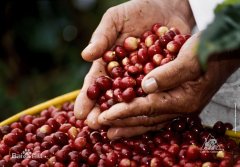
What are the good items of high-priced coffee in Rosa-Akatilan fruit producing area of Guatemala?
Guatemala Rosa-Akatilan fruit producing area (Guatemala Acatenango Gesha). In 2007, Guatemala added the eighth coffee producing area, Acatenango Valley (R), which we turned into Akatilan fruit area. In 2007, Anacaf (Guatemalan Coffee Association) not only promoted it at the SCAA exhibition, but also arranged special topics to explain to the international judges during the national competition. The past
2016-04-29 Guatemala Rosa Akka Tiran producing area high price coffee delicious single product where
Panamanian Jade Manor Rose Summer Coffee beans Baru Volcano Jadeite Manor
The species of Geisha was discovered in the Rose Summer Forest of Ethiopia in 1931 and sent to the Coffee Institute in Kenya; it was introduced to Uganda and Tanzania in 1936, in Costa Rica in 1953, and Panama was introduced in the 1970s by Francesca of Dongba Seven Farm Garden. Mr. Serraxin got seeds from CATIE, Costa Rica, and started growing Rosa Coffee.
2016-07-13 Panama Emerald Manor Rose Summer Coffee Bean Baru Volcano introduction G.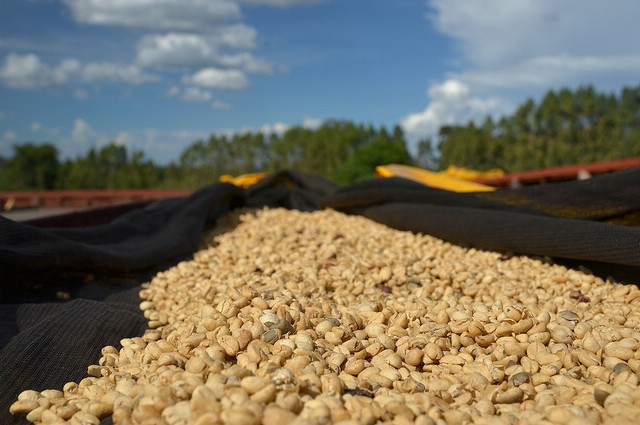
Royal Coffee processing Plant in St. Roman, a country grown in Central America, Tarazu, Costa Rica.
Costa Rican coffee cultivation was introduced by Cuba in 1779 and exported for the first time in 1820. There are about 32000 coffee farmers, with an average planting area of less than one hectare (10000 hectares) per farmer. Costa Rica has a population of 41 billion (2006), with a coffee planting area of 82500 hectares and an annual production of 1.7 million bags (60kgs per bag). The annual domestic consumption is 380000 bags.
2016-03-25 Central America planting country Costa Rica Tara producing area Roman processing Plant Emperor
Panamanian Coffee Manor Jade Manor introduction to Rosa Coffee beans Panamanian Coffee Manor
The species of Geisha was discovered in the Rose Summer Forest of Ethiopia in 1931 and sent to the Coffee Institute in Kenya; it was introduced to Uganda and Tanzania in 1936, in Costa Rica in 1953, and Panama was introduced in the 1970s by Francesca of Dongba Seven Farm Garden. Mr. Serraxin got seeds from CATIE, Costa Rica, and started growing Rosa Coffee.
2016-07-21 Panama Coffee Manor Jade introduction Rose Summer Coffee beans Geis
Panamanian Coffee Manor Jade Manor introduction to Panamanian Coffee Flavor and Taste Rosa Coffee
The species of Geisha was discovered in the Rose Summer Forest of Ethiopia in 1931 and sent to the Coffee Institute in Kenya; it was introduced to Uganda and Tanzania in 1936, in Costa Rica in 1953, and Panama was introduced in the 1970s by Francesca of Dongba Seven Farm Garden. Mr. Serraxin got seeds from CATIE, Costa Rica, and started growing Rosa Coffee.
2016-07-25 Panama Coffee Manor Jade introduction Flavor Taste Rose Summer Ge
Antigua Coffee, Guatemala
Coffee was introduced to Guatemala in 1750 by Father Jesuit, and German colonists developed the coffee industry in the late 19th century. Today, most of the coffee industry is produced in the south of the country. Guatemala has seven major coffee-producing regions: Antigua, Coban, Lake Atitlan and Huehuetenango
2015-06-01 Guatemala Antique Coffee Real Incoming Yes 17