“screening defective beans” search results (300)

Introduction of Honduran coffee beans with rich and mellow taste and non-astringent and sour taste
High-quality coffee in Honduras uses water washing to deal with coffee beans, usually after soaking, when the defective fruit will surface, it can be discarded first. Then put the good fruit into the fruit peeling machine and peel off the peel with the rotating force of the machine. Peeled fruits are screened by machines to select fruits of high quality. Usually the bigger the fruit.
2016-06-23 With rich thick taste not astringent not sour Honduras coffee beans
Description of Lion King Coffee Flavor in Sidamo, Ethiopia; introduction to the planting environment of the manor area
Ethiopian coffee beans in the past, the Ethiopian sun drying method used to spread wild coffee fruits directly on the mud ground for exposure. This method has two disadvantages: 1. After picking beans without special screening and treatment, uneven appearance and maturity are mixed together, the process is relatively rough, so the quality of coffee beans is unstable and prone to defective beans. two。 Coffee farmer
2016-10-21 Ethiopia Dharma Lion King Coffee Flavor description characteristics Manor producing area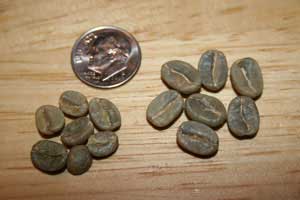
The concept of Fine Coffee Specialty Coffee (1) the third Wave of Coffee Culture and History in the World
The traditional classification of coffee beans is usually based on the classification criteria defined by the coffee producing countries, and then agreed to become common in the international market and traded under such a tacit understanding. For a long time, coffee producing countries have their own classification and evaluation criteria for coffee, which serve as the pricing guidelines in the coffee market. But slowly in recent years, coffee consuming countries have begun to demand unified evaluation criteria.
2016-01-23 Boutique Coffee Specialty concept World No.
Perfect taste of Cedar Mochizo Flavor Coffee Bean Flavor Manor
China Coffee net [washed Sidamo]: coffee raw bean green is slightly gray, some places are thick and some places are small, the acidity is soft and strong, mellow, sweet and spicy, it is one of the courtyard coffee in the highlands of southern Ethiopia. Unlike ordinary African coffee, Sidamo has clear acidity, smooth taste and delicate floral smell. About E
2016-09-13 Beautiful taste Dharma Shaquiso producing area boutique coffee beans flavor manor introduction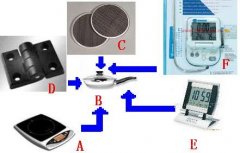
Family baking plan A
When we worry about not being able to taste freshly baked beans, when we worry about buying a home roaster for thousands of dollars, when we are ecstatic about manual operation, when we are looking for more interesting tools. Right now-Home Baking Plan A!
2014-08-04 Coffee knowledge home baking baking plan
Grade planning of coffee beans in Kenya
Common classification: hand-picked coffee fruit, picked by hand, picked out immature fruit (unripe), overripe fruit (overripe) and other defects, peeled, after about 36 hours of fermentation, placed on a metal grid for sun drying, in the processing plant to remove the seed shell (parchment), become a blue-green appearance of attractive Kenyan raw beans. These beautiful raw beans, according to one
2016-06-06 Kenya coffee beans grades planning common classification manual picking coffee classics
Ethiopia Yega Chuefei Coffee introduces Yega Snow Coffee Manor
There is a strict standard for collecting red fruits (as a result of coffee trees). Before exposure to coffee fruits, unripe green fruits or defective fruits are removed manually, and damaged or moldy fruits are removed during the sun drying process. after two weeks, the flesh sugar and essence seeped into the coffee beans, the water content was reduced to 12%, and then scraped off the hardened pulp, pectin layer and pods with a planer to remove the coffee.
2016-07-04 Ethiopia Yega Sheffield Coffee introduction Snow Coffee Manor Sun
When to pick defective beans?
Defective beans must not be picked from cooked beans. Screening defective beans is a basic work that must be carried out before baking. In the state of raw beans, pick out all the following kinds of beans and throw them away.
2014-07-24 Coffee knowledge selection of coffee beans defective beans coffee encyclopedia
It turns out that it takes 10 steps to go from coffee seed to coffee.
A coffee bean is actually a seed. After drying, baking and grinding, it can be extracted.
2016-08-04 It turns out that coffee seeds need 10 steps
Coffee bean production process and common coffee processing methods
Process Description: 1. Remove the shell and remove the coffee shell. 2, choose beans, remove moldy coffee beans. 3, cleaning, washing coffee with water to wash away surface dirt. 4. Bake, bake at 90~100℃ for half an hour. 5. Grinding: grinding and crushing the processed coffee with a roller grinder. 6, pulping (add water), add coffee about 3 times the 95℃ hot water
2014-07-08 Coffee knowledge Coffee bean production Coffee encyclopedia
An introduction to the characteristics of boutique coffee in the manor area
The beans are small, neat and round. Ethiopian sun beans are generally G3--G5, but the beans are G2, equal to the grade of washed beans. Although there are still a few defective beans, they are commendable compared to the sun beans of Harald and Sidamo. The 2015 sun Yega snow caffeine has appeared in the G1 grade, surpassing the G1 washing in terms of quality and sales. This bean is baked
2016-08-11 Sweet obvious Yega Sheffield blossoming coffee flavor taste manor producing area
Encyclopedia of Coffee talking about individual Coffee
Today, I casually typed individual coffee on Baidu, and the results are as follows: single coffee is made from single coffee beans produced in the country of origin, and pure coffee is usually drunk without milk or sugar. Have strong characteristics, special taste: or fresh and soft, or mellow smooth; the cost is higher, so the price is more expensive. For example, the famous Blue Mountain Coffee and Brazilian Coffee
2014-09-11 Coffee knowledge individual coffee coffee encyclopedia
Colombian coffee grading
According to the classification of defective beans, defective beans can be divided into two types:-first: called first-class defects-second: called second-level defects. First: main defects (defects that affect the taste characteristics of coffee): black beans. Private exporters of moldy beans or sour beans: no more than 12 national coffee committees: no more than 8 first-level defective beans, second: secondary defects
2014-08-22 Coffee knowledge Columbia coffee grading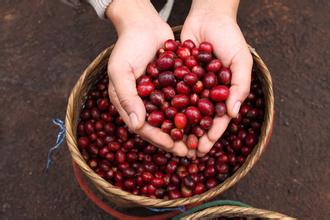
Distinguishing coffee beans and the grading of coffee beans teaches you how to distinguish coffee beans.
● distinguishes the key names and specifications of coffee beans the name of the port of export of ● can tell the shipping route from the name of the port of exit marked. Coffee from the same origin or the same brand has a certain route, so it is also exported from the same port. For example, if it is marked "Brazil." "Santos" means that this is coffee exported from Santos, with the exception of those marked "mocha".
2016-01-11 Distinguish coffee beans and grading teach you to master how essentials distinguish coffee
Common sense of graded coffee to distinguish between coffee beans and coffee beans
● distinguishes the key names and specifications of coffee beans the name of the port of export of ● can tell the shipping route from the name of the port of exit marked. Coffee from the same origin or the same brand has a certain route, so it is also exported from the same port. For example, if it is marked as "Brazil. Santos", it means that this is coffee exported from Santos, but the one marked "Mocha" is taken as an example.
2015-04-15 Distinguish coffee beans and grading coffee common sense discrimination essentials names
Fine coffee beans: teach you to distinguish coffee beans and coffee beans graded coffee basics
● Key to distinguish the name and specification of coffee beans ● Export port name From the indicated export port name, you can know the route of transportation. Coffee of the same origin or brand has a certain route, so it is also exported from the same port. For example, if the label is "Brazil." Santos "means it's coffee coming out of Santos, except when it's marked mocha.
2015-12-15 boutique coffee beans teach you distinguish and grade coffee primer basics
Colombian coffee raw bean grading method
One: according to the defect rate, the number of defective beans allowed per 500 gr sample:-Private raw bean exporter: 72 defects-National Coffee Council: 42 defects defective beans are divided into two types:-first: known as first-level defects-second: called second-level defects first: main defects (defects that affect coffee taste characteristics): black beans, moldy beans.
2014-09-11 Coffee knowledge Colombian coffee beans coffee encyclopedia
Coffee Bean Processing
Natural drying method Coffee refining process Coffee cherries (coffee cherries) Selection and treatment of green beans Harvesting sun field (sun exposure) Shelling machine (removal of pulp, etc.) Electronic bean sorter or wind bean sorter (hand)
2014-07-04 Coffee knowledge Coffee bean processing Coffee encyclopedia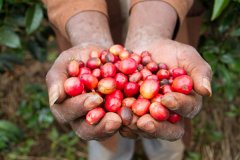
Colombian coffee raw bean grading method
One: according to the defect rate, the number of defective beans allowed per 500 gr sample:-Private raw bean exporter: 72 defects-National Coffee Council: 42 defects defective beans are divided into two types:-first: known as first-level defects-second: called second-level defects first: main defects (defects that affect coffee taste characteristics): black beans, moldy beans.
2015-11-03 Columbia coffee raw beans grading according to defect rate 500 samples beans
Colombian coffee is classified according to defective beans.
According to the classification of defective beans, defective beans can be divided into two types:-first: called first-class defects-second: called second-level defects. First: main defects (defects that affect the taste characteristics of coffee): black beans. Private exporters of moldy beans or sour beans: no more than 12 national coffee committees: no more than 8 first-level defective beans, second: secondary defects
2015-04-15 Columbia coffee grading according to defect classification basis score