“rooted” search results (2397)

Cultivation techniques of small-grain coffee: soil management
Weeding, covering the young coffee garden, weeds are easy to breed, especially in the rainy season, weeding should be done once a month. If the labor force is sufficient, clean the grass should be removed first. Adult coffee garden can be weeded once every 2 to 3 months. If you use herbicides, you should be careful not to spray on the branches and leaves of coffee, and it is more important and prudent to use them in young coffee gardens. Coffee has shallow roots and is vulnerable to adverse climatic conditions such as high temperature and drought.
2015-10-07 Small grains coffee cultivation techniques soil management weeding mulching young coffee garden
Mexican coffee dibica, bourbon, etc., treated with water.
Mexican coffee-growing areas are mainly concentrated in the southeastern highlands, near Guatemala. Most of the mountains in the south are volcanic areas, and the volcanic ash soil is not only conducive to the drainage of coffee roots, but also provides sufficient nutrients for the growth of coffee trees. Most of the coffee varieties planted are Kaddura, Tibica, bourbon, etc., and the treatment methods are mostly water washing treatment, which are classified according to altitude. Coffee beans
2016-07-01 Using washing processing Mexico Coffee Tibby Bourbon
German history: substitute coffee
Today, Germany is one of the countries that import the most coffee in the world. More than 1/4 of Vietnam's annual coffee exports are sent to Germany. But when it comes to Germany, we only think of sausages and beer, not coffee. This is because, in the 17th century, when coffee spread across Europe, Germany had few overseas colonies, unlike Britain and France.
2016-09-28 Germany history substitute coffee today the world imports more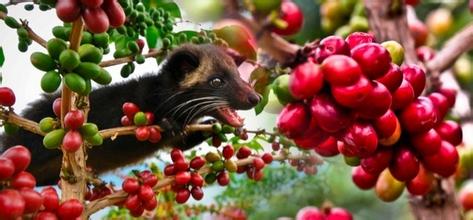
What is the growing environment of coffee beans? What conditions must be met to grow coffee beans?
Coffee is native to tropical Africa. The origin of the small seed species is the tropical plateau of Ethiopia. It is between 900 and 1800 meters above sea level with an average annual temperature of 19. C; the mid-grain species is native to the tropical rain forest of the Congo, with an average annual temperature of 2126 at an altitude of less than 900 meters. C . Their origins are shaded or semi-shaded forests and river valleys, so the formation of coffee requires calm wind, cool and wet.
2015-11-24 Coffee beans growth environment how reach conditions talent planting coffee origin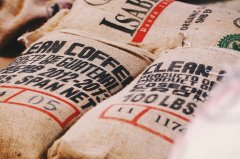
Cultivation techniques of small-grain coffee soil management of coffee cultivation
Weeding, covering the young coffee garden, weeds are easy to breed, especially in the rainy season, weeding should be done once a month. If the labor force is sufficient, clean the grass should be removed first. Adult coffee garden can be weeded once every 2 to 3 months. If you use herbicides, you should be careful not to spray on the branches and leaves of coffee, and it is more important and prudent to use them in young coffee gardens. Coffee has shallow roots and is vulnerable to adverse climatic conditions such as high temperature and drought.
2015-02-16 Small grains coffee cultivation techniques planting soil management weeding mulching young
Boutique coffee German "substitute coffee"
Today, Germany is one of the countries that import the most coffee in the world. More than 1/4 of Vietnam's annual coffee exports are sent to Germany. But when it comes to Germany, we only think of sausages and beer, not coffee. This is because, in the 17th century, when coffee spread across Europe, Germany had few overseas colonies, unlike Britain and France.
2015-01-21 Boutique coffee Germany human substitute coffee today the world import
Historical substitute coffee in Germany
Coffee online Ono column Today Germany is one of the countries that import the most coffee in the world. More than 1/4 of Vietnam's annual coffee exports are sent to Germany. But when it comes to Germany, we only think of sausages and beer, not coffee. This is because, in the 17th century, when coffee spread across Europe, Germany had almost no overseas colonization.
2014-09-27 Alternative coffee coffee encyclopedia coffee culture coffee knowledge
Introduction to the species and Flavor of Mexican Coffee producing countries
Mexican coffee-growing areas are mainly concentrated in the southeastern highlands, near Guatemala. Most of the mountains in the south are volcanic areas, and the volcanic ash soil is not only conducive to the drainage of coffee roots, but also provides sufficient nutrients for the growth of coffee trees. Most of the coffee varieties planted are Kaddura, Tibica, bourbon, etc., and the treatment methods are mostly water washing treatment, which are classified according to altitude. Coffee beans
2016-06-29 Mexico Coffee country species Flavor introduction Southeast Highlands
Coffee Common sense German History of "substitute Coffee"
Today, Germany is one of the countries that import the most coffee in the world. More than 1/4 of Vietnam's annual coffee exports are sent to Germany. But when it comes to Germany, we only think of sausages and beer, not coffee. This is because, in the 17th century, when coffee spread across Europe, Germany had few overseas colonies, unlike Britain and France.
2014-12-05 Coffee Common sense Germany Human substitute Coffee History Today the World
What are the eight "what" in coffee?
What is caffeine? Caffeine is a substance found in the leaves, roots and fruits of 100 plants in nature. it is also a mixture of methylxanthine. Caffeine usually comes from coffee, dimethoate and tea. Caffeine is also used in energy drinks and drugs to treat colds and flu. Coffee and tea also contain other dimethylxanthine theophylline. Tea
2014-05-16 Coffee knowledge coffee questions
The History of "substitute Coffee" in Germany
Today, Germany is one of the countries that import the most coffee in the world. More than 1/4 of Vietnam's annual coffee exports are sent to Germany. But when it comes to Germany, we only think of sausages and beer, not coffee. This is because, in the 17th century, when coffee spread across Europe, Germany had few overseas colonies, unlike Britain and France.
2015-05-04 Germany Human substitute Coffee History Today World Import Coffee
Historical substitute Coffee of Fine Coffee in Germany
Today, Germany is one of the countries that import the most coffee in the world. More than 1/4 of Vietnam's annual coffee exports are sent to Germany. But when it comes to Germany, we only think of sausages and beer, not coffee. This is because, in the 17th century, when coffee spread across Europe, Germany had few overseas colonies.
2015-06-11 Germany boutique coffee history substitute Ono column Today the world
Basic knowledge of boutique coffee what is caffeine?
What is caffeine? Caffeine is a substance found in the leaves, roots and fruits of 100 plants in nature. it is also a mixture of methylxanthine. Caffeine usually comes from coffee, dimethoate and tea. Caffeine is also used in energy drinks and drugs to treat colds and flu. Coffee and tea also contain other dimethylxanthine theophylline. Tea
2015-06-04 Boutique coffee basics common sense what caffeine
Introduction to Mexican Coffee producing area Fine Mexican Coffee beans Aldumara Coffee
Mexican coffee-growing areas are mainly concentrated in the southeastern highlands, near Guatemala. Most of the mountains in the south are volcanic areas, and the volcanic ash soil is not only conducive to the drainage of coffee roots, but also provides sufficient nutrients for the growth of coffee trees. Most of the coffee varieties planted are Kaddura, Tibica, bourbon, etc., and the treatment methods are mostly water washing treatment, which are classified according to altitude. Coffee beans
2016-07-29 Mexico coffee producing areas flavor introduction boutique coffee beans Al Dumara
Some basic knowledge of high-quality coffee
What is caffeine? Caffeine is a substance found in the leaves, roots and fruits of 100 plants in nature. it is also a mixture of methylxanthine. Caffeine usually comes from coffee, dimethoate and tea. Caffeine is also used in energy drinks and drugs to treat colds and flu. Coffee and tea also contain other dimethylxanthine theophylline. Tea
2014-11-21 Coffee knowledge coffee general knowledge coffee basics basic knowledge
Introduction to the taste and flavor of Mexican coffee beans with various treatments
Mexican coffee-growing areas are mainly concentrated in the southeastern highlands, near Guatemala. Most of the mountains in the south are volcanic areas, and the volcanic ash soil is not only conducive to the drainage of coffee roots, but also provides sufficient nutrients for the growth of coffee trees. Most of the coffee varieties planted are Kaddura, Tibica, bourbon, etc., and the treatment methods are mostly water washing treatment, which are classified according to altitude. Coffee beans
2016-06-29 Use variety treatment Mexico coffee beans taste flavor introduction
Fine Coffee Science explains in detail several "what is" in coffee?
What is caffeine? Caffeine is a substance found in the leaves, roots and fruits of 100 plants in nature. it is also a mixture of methylxanthine. Caffeine usually comes from coffee, dimethoate and tea. Caffeine is also used in energy drinks and drugs to treat colds and flu. Coffee and tea also contain other dimethylxanthine theophylline. Tea
2014-11-12 Coffee knowledge boutique coffee science coffee common sense
The basics of fine coffee do you know what caffeine is?
What is caffeine? Caffeine is a substance found in the leaves, roots and fruits of 100 plants in nature. it is also a mixture of methylxanthine. Caffeine usually comes from coffee, dimethoate and tea. Caffeine is also used in energy drinks and drugs to treat colds and flu. Coffee and tea also contain other dimethylxanthine theophylline. Tea
2015-10-14 About boutique coffee basic knowledge know caffeine what is
Three elements of successful operation of coffee shop
Coffee shop is in the form of fixed-point business, that is, in the form of sales; it is like a tree fixed in a site to take root and sprout, so some people call it a plant-based enterprise, but in today's marketing-oriented era, consumer demand and desire make the business constantly changing. With the gradual diversification and personalization of consumer consciousness, coupled with the increasingly fierce market competition, it is absolutely necessary to operate in cafes.
2015-04-10 Coffee shop operation success three elements coffee shop fixed point business way
Special treatment of Huilan Plateau Diamond Manor in Huilan, Colombia Yellow bourbon grows coffee beans
The history of Colombian coffee dates back to 1808. A priest brought coffee to Colombia for the first time from the French Antilles via Venezuela. The suitable climate in Colombia provides a real natural pasture for coffee. Since then, coffee trees have taken root in this country. The country has also become the second largest coffee producer after Brazil and the world's largest Arabica coffee.
2016-04-06 Colombia Whelan producing area Huilan Plateau Diamond Manor Special treatment Law