“planted in” search results (21000)

Planting conditions of coffee trees what cups do lattes and cappuccinos use
However, not all the land located in this area can produce good coffee trees. The ideal planting conditions of coffee trees are as follows: the temperature is between 15 ℃ and 25 ℃, and the annual rainfall must reach 1500 mm to 2000 mm. At the same time, the rainfall time should be in line with the flowering cycle of coffee trees. Of course, in addition to the coordination of seasons and rainfall, there should be fat work.
2016-06-06 Coffee planting conditions lattes Cabo Chino what cups but not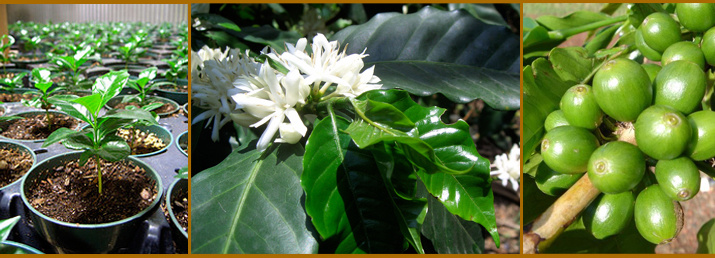
Coffee beans grow coffee beans seed coffee raw beans price Indonesian cat poop coffee beans musk cat poop coffee beans
Coffee seeds cannot be grown directly with coffee fruits picked from coffee trees. Peeling coffee fruits is like planting peanuts. If you plant a peanut with a shell in the soil, it cannot sprout. You must plant peanuts. It is the same with medium coffee. If you have coffee fruit in your hand, you can first bask it in the sun and shake it until it is shaken inside.
2016-04-15 Coffee beans planting seeds coffee raw beans prices Indonesia cat shit musk
Costa Rica Saint Roman Water washing and processing Plant Coffee Fine Coffee
The best coffee in Costa Rica seems to come from small processing plants, spread across several major coffee producing areas, including Tarazu and the western valley. This so-called coffee revolution originated 15 years ago and has greatly changed the way bean baking experts and importers think about Costa Rican coffee. Take the processing plant as the center, collect coffee beans from the surrounding small farms for processing, most of these farms are small societies
2016-05-18 Costa Rica Roman washing processing plant coffee boutique okay
The whole process of planting and growth of coffee beans
Common questions about coffee bean cultivation: first, what are coffee kernels? How did you get the coffee seeds? Coffee seed, commonly known as coffee shell dried bean, is a kind of coffee seed without removing mesocarp and silver skin. Coffee seed is divided into Arabica Arabica seed and Robusta Robasta seed. The picture shows the commercial coffee raw bean available for consumption, and it is also the two major commercial plants on a large scale.
2015-04-24 Coffee beans growing the whole process about coffee beans planting common problems.
Where can coffee trees be planted in Yunnan under the coffee bean planting program?
There are mainly three kinds of coffee products in the business, and there are different categories under these three varieties. Arabica coffee (arabica) coffee is the most important and the best quality coffee beans, derived from esopian, is currently the most widely cultivated coffee. Liberica coffee comes from Rabindranath Basta (robusta) comes from fruit. The name of the latter indicates that it is rough.
2016-10-11 Planting coffee beans planning internal which place can coffee business
The name of coffee comes from what is the planting environment of coffee trees in coffee manor
Every country has its own coffee estate, and no one farm produces coffee varieties that are different from the planting conditions of coffee trees, but not all the land located in this area can produce good coffee trees. The ideal planting conditions for coffee trees are: a warm climate with a temperature of 15-25 ℃, and a rainfall of 1500-2000 mm throughout the year.
2016-05-27 Coffee name origin manor which planting environment each country all have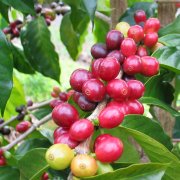
Boutique Coffee Coffee cooked beans from San Roman washing Plant, Costa Rica
The best coffee in Costa Rica seems to come from small processing plants, spread across several major coffee producing areas, including Tarazu and the western valley. This so-called coffee revolution originated 15 years ago and has greatly changed the way bean baking experts and importers think about Costa Rican coffee. Take the processing plant as the center, collect coffee beans from the surrounding small farms for processing, most of these farms are small societies
2016-05-14 Boutique Coffee Costa Rica Roman washing processing Plant cooked beans
What weather conditions are required for planting coffee trees
The planting conditions of coffee trees the origin of coffee trees is in Ethiopia, Africa. In botany, coffee trees belong to the evergreen trees of the subgenus Rubiaceae, and coffee beans, commonly known as coffee beans, are the seeds of the fruit of coffee trees, just because they are shaped like beans, so they are called coffee beans. Climate is the decisive factor for coffee cultivation, and coffee trees are only suitable for growing in the tropics or subtropics.
2016-06-13 Planting coffee need have what weather conditions planting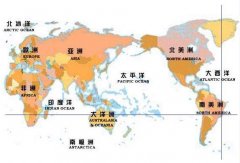
St. Roman processing Plant in Tarazu, Costa Rica, where does Costa Rica's best coffee come from?
The best coffee in Costa Rica seems to come from small processing plants, spread across several major coffee producing areas, including Tarazu and the western valley. This so-called coffee revolution originated 15 years ago and has greatly changed the way bean baking experts and importers think about Costa Rican coffee. Take the processing plant as the center, collect coffee beans from the surrounding small farms for processing, most of these farms are small societies
2016-05-07 Costa Rica Tara production area Roman processing plant okay coffee from where Goss
Flavor description of Ethiopian Coffee introduction to planting Environment
Large-scale coffee-growing villages account for about 35% of the country's total coffee production. These coffee farms, which use a multi-tier coffee planting system, are carefully cared for. Coffee farmers do not use chemical fertilizers, but use fallen leaves and animal and plant debris to increase soil nutrition. In addition to coffee, farmers also frequently grow non-coffee crops. It even accounts for the total amount of coffee in the country.
2016-09-19 Ethiopia coffee flavor description planting environment introduction large area
Washing AA quality coffee beans from Jiatugi treatment plant in Nyeri production area of Kenya
Kenya Nyeri Gatugi AA country: Kenya Grade: AA producing area: Nyeri Central Mountain area altitude: 1600-2300 m soil quality: volcanic Clay treatment method: washing varieties: SL 28, SL 34 processing Plant: Gatugi processing Plant producer: small Coffee Flavor Flavor: floral, blackcurrant, Cranberry
2016-05-09 Kenya Nyeri producing area home Tuji Gatugi treatment plant washing
Introduction to the planting Environment of Coffee Manor in Puerto Rico San Pedro Manor in the south-central producing area of boutique coffee beans
Some old varieties of Arabica coffee beans are grown here, although the yield is lower than other varieties, but generally of high quality. People here have been using an ecological and intensive planting method, using only some low-toxic fertilizers and chemicals, and taking mixed crop planting measures to make the soil more fertile. When it's time to pick coffee beans, people come among the coffee trees.
2016-07-05 Puerto Rico Coffee Manor planting Environment introduction boutique Coffee beans South Central
The Green Dream of Yunnan Coffee
In 2012, Yunnan is expected to produce 60, 000 tons of coffee, accounting for 98% of the country's coffee production and 7/1000 of the world's coffee production. Pu'er City, as an important producing area of small grain coffee in Yunnan, by the end of 2011, the planting area of coffee is 439000 mu, the output is 28000 tons, the output value is 850 million yuan, the planting area and output account for more than half of the country respectively. This year, new plants will be planted in Pu'er City.
2014-04-27 Yunnan coffee green dream 2012 output forecast
Planting Environment and producing area of Yejia Coffee
1. Planting system and environment the mountain stream village in the Yega Xuefei producing area is cool and foggy, like spring all the year round, with a gentle breeze in summer, cool but not hot, rain but not damp, and no cold damage in winter, which is the best environment for planting Arabica. There are no large coffee plantations. Coffee farmers mix coffee with other crops, usually under banana trees, to form a unique landscape. 2. Deal with
2016-06-07 Yega Sheffield Coffee planting Environment producing area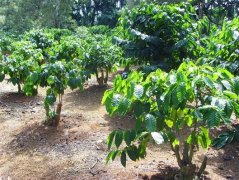
Understanding Coffee trees and their planting conditions
1. What is the origin of coffee trees in Ethiopia in Africa. Coffee tree is a perennial evergreen shrub or small tree of Rubiaceae. It is a horticultural perennial cash crop with the characteristics of fast growth, high yield, high value and wide market. Wild coffee trees can grow up to 5 to 10 meters high, but the coffee trees planted on the manor are more in order to increase the amount of fruit and facilitate harvesting.
2015-11-05 Understand coffee and its planting conditions
Introduction of varieties and planting areas of coffee beans
In addition to the classification according to the planting area, there is another classification of coffee plants, that is, coffee trees, or coffee varieties. According to plant classification, the number of varieties of coffee trees is very large, but there are only two main varieties commonly used for coffee; one is Arabian coffee, and the other is Robbas special coffee. The former tastes pure and tastes good, but the concentration
2016-06-13 Coffee beans varieties types introduction planting region except according to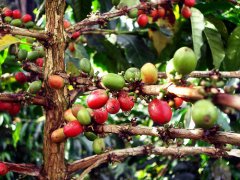
Plant classification of coffee beans
Green trees and Rubiaceae plants have been dominated by plants with special effects since ancient times, such as quinine tree, which is regarded as a specific drug for malaria, and Dugen, which is used to treat amigellosis. Coffee is positioned as the most unique alkaloid drinking plant group. Usually after sowing for two to three years, coffee trees can grow to a height of about five to ten meters, but to prevent coffee beans from losing their aroma and taste, and
2016-05-25 Coffee beans plants taxonomy trees grasses since ancient times special efficacy
Description of Flavor of Tieka Coffee in Yunnan Province, China. Introduction to manors in taste producing areas.
Pu'er, Xishuangbanna, Wenshan, Baoshan, Dehong, Lincang and other places in the south and west of Yunnan are all the distribution areas of small-grain coffee in Yunnan. As of January 1, 2012, according to the comprehensive survey of Yunnan Province, the planting area of coffee in Yunnan has exceeded 800000 mu, and the output of coffee beans in this period is expected to exceed 55000 tons. For the future, the blueprints of local governments in Yunnan have also been drawn up:
2016-10-11 China Yunnan pickup coffee flavor description grinding characteristics taste producing area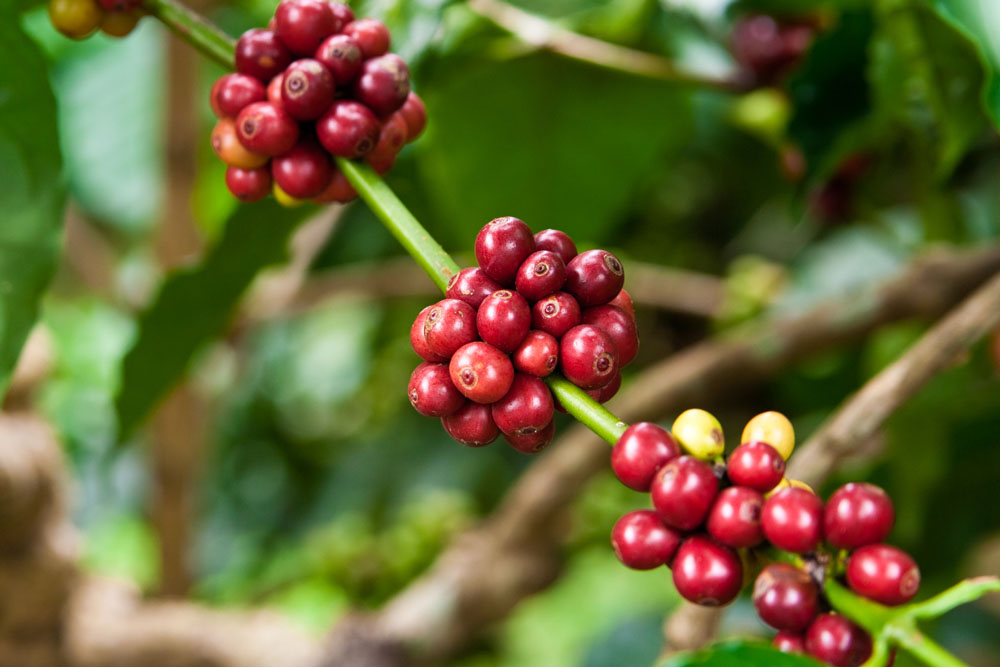
Elida Manor Best of Panama Competition Volcano Milk Chocolate Citrus Flavor Light Baking
There are three ways of plantation: sunshine plantation, full shade plantation and semi-shade plantation. Plantations with more than 50 plants per hectare are fully shaded plantations, 25-50 plants are semi-shaded plantations, and less than 25 plants are called sunshine plantations. What is the effect of shading and shading on coffee in the plantations of the two neighbors with the same planting conditions? Shade plantations can slow down coffee
2016-07-12 Elida Manor Best Panama Competition Volcano Milk
Introduction to the planting methods of coffee grown in Bourbon, Kenya
The Kenyan coffee variety was first brought to Kenya to be planted in Bourbon bourbon. In the 1950s, through unremitting efforts, the then agricultural research institution Scott Laboratory selected two excellent hybrids, SL-28 and SL-34, subverting the long-standing prejudice that artificial breeding varieties are not excellent natural varieties. SL-28 and SL-34 help Kenyan coffee
2016-06-27 Kenya bourbon planting coffee way introduction treatment