“pick and send” search results (700)

Introduction of very fragrant Kenyan coffee beans with the fragrance of wine
Accounting for 55% of Kenya's total coffee production (40% of the number of estates) is run by numerous small operators. Seeing that coffee is absolutely profitable, these small operators continue to increase the need for agronomy and the development of high-quality coffee tree species, thus greatly promoting the development of coffee in Kenya. To ensure that only ripe coffee fruits are picked, people must be in the forest
2016-06-28 Very strong wine fragrant Kenya coffee beans introduction coffee
Introduction to the flavor description of the planting environment of Kenyan Jinchu Coffee Variety, which is still strong in taste.
Kenyan coffee is mostly grown at an altitude of 1500m, 2100m, and is harvested twice a year. To ensure that only ripe berries are picked, people must tour the forest about seven times. Kenyan coffee is grown by small farmers. After they harvest the coffee, they first send the fresh coffee beans to the cooperative cleaning station, where the washed and dried coffee is covered with parchment beans.
2016-09-19 Taste still thick Kenya Jinchu coffee variety planting environment producing area
Wonderful fruit-flavored coffee Kenyan coffee beans
It entered Kenya in the 19th century, when Ethiopian coffee drinks were imported into Kenya through southern Yemen. But it was not until the early 20 th century that the Bourbon Coffee Tree was saint. The Austin Mission (St.AustinMission) was introduced. Kenyan coffee is mostly grown at 15002100 meters above sea level and is harvested twice a year. To ensure that only ripe berries are picked, people must patrol the forest
2015-05-15 Wonderful fruit flavor coffee Kenya coffee beans 19th century enter Kenny
Introduction to the characteristics of High-quality Coffee beans in the Manor area
Most of the coffee in Rwanda is washed. The water washing method will first wash and flotation the ripe coffee fruit, then remove the exocarp, pulp and part of the pectin layer, then send the coffee into the fermentation tank, remove the remaining pectin layer and then send it to the drying ground for drying treatment, so that the water content reaches about 13%. The coffee in the picture above is placed in an African shed to dry.
2016-08-10 Aroma persistence Rwanda coffee flavor taste manor producing area characteristics boutique
Malaba coffee beans in the western coffee producing area of Rwanda
Maraba coffee beans are manually selected and classified according to quality. PEARL brought coffee experts to Rwanda to maintain contact with the seller, the Public Coffee Company (Community Coffee) in Louisy, USA, and to send samples to Louisiana. In June 2002, public coffee
2016-06-16 Rwanda Coffee West producing areas Malaba Raba Coffee beans Rabbah
What does the top of Kenyan coffee beans mean? Kenyan coffee varieties are characterized by grade taste and flavor.
According to the flavor description of Kenyan coffee beans, Kenyan coffee is mostly grown at an altitude of 1500muri 2100 meters and is harvested twice a year. To ensure that only ripe berries are picked, people must tour the forest about seven times. Kenyan coffee is grown by small farmers. After they harvest the coffee, they first send the fresh coffee beans to the cooperative cleaning station, which will wash and dry them.
2016-10-20 Kenya coffee beans top what is meaning characteristics grade taste flavor
Kenya Jinchu Valley Coffee with endless aftertaste, grinding degree, taste, price, brewing method, introduction
Kenya coffee is mostly grown at altitudes of 1500- 2100 meters and harvested twice a year. To make sure only ripe berries are picked, people have to make about seven rounds through the woods. Kenyan coffee is grown by small farmers who harvest the coffee and send it fresh to a cooperative washing station, where the washed, dried coffee is washed into parchment coffee beans (i.e., coated inside).
2016-10-06 aftertaste endless kenya early coffee grind taste price brew square
Introduction of Rwanda boutique coffee bourbon by washing method introduction of flavor and taste of Rwandan coffee
Most of the coffee in Rwanda is washed. The water washing method will first wash and flotation the ripe coffee fruit, then remove the exocarp, pulp and part of the pectin layer, then send the coffee into the fermentation tank, remove the remaining pectin layer and then send it to the drying ground for drying treatment, so that the water content reaches about 13%. The coffee in the picture above is placed in an African shed to dry.
2016-07-28 Washing treatment Rwanda boutique coffee bourbon introduction flavor taste Lu
Introduction to the planting Environment of individual Coffee Fruit Coffee Flavor, taste and Price in Kenya
Kenyan coffee is mostly grown at an altitude of 1500m, 2100m, and is harvested twice a year. To ensure that only ripe berries are picked, people must tour the forest about seven times. Kenyan coffee is grown by small farmers. After they harvest the coffee, they first send the fresh coffee beans to the cooperative cleaning station, where the washed and dried coffee is covered with parchment beans.
2016-09-20 Kenya coffee fruit list flavor taste price planting environment introduction
Introduction to the flavor and taste characteristics of the crisp and refreshing coffee manor in Jinchu Valley, Kenya
Kenyan coffee is mostly grown at an altitude of 1500m, 2100m, and is harvested twice a year. To ensure that only ripe berries are picked, people must tour the forest about seven times. Kenyan coffee is grown by small farmers. After they harvest the coffee, they first send the fresh coffee beans to the cooperative cleaning station, where the washed and dried coffee is covered with parchment beans.
2016-09-06 Crisp refreshing Kenya Jinchu coffee manor producing area flavor taste characteristics
Why doesn't the coffee smell good?
Today, we will discuss a very interesting question. Coffee drinkers are not in the minority, and have even become a must-have drink for every family. But why doesn't the coffee smell good? The taste of freshly brewed coffee is the first pick-me-up in the morning. Today, scientists claim to have found out why coffee doesn't smell good. According to the UK, every
2015-09-07 Why coffee get up no smell today discuss one everyone ten
Wonderful fruit-flavored coffee Kenyan coffee
It entered Kenya in the 19th century, when Ethiopian coffee drinks were imported into Kenya through southern Yemen. But it was not until the early 20 th century that the Bourbon Coffee Tree was saint. The Austin Mission (St.AustinMission) was introduced. Kenyan coffee is mostly grown at 15002100 meters above sea level and is harvested twice a year. To ensure that only ripe berries are picked, people must patrol the forest
2014-12-19 Wonderful fruit flavor coffee Kenya 19th century entering at that time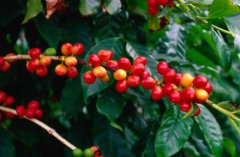
Wonderful fruit-flavored coffee Kenya boutique coffee
It entered Kenya in the 19th century, when Ethiopian coffee drinks were imported into Kenya through southern Yemen. But it was not until the early 20 th century that the Bourbon Coffee Tree was saint. The Austin Mission (St.AustinMission) was introduced. Kenyan coffee is mostly grown at 15002100 meters above sea level and is harvested twice a year. To ensure that only ripe berries are picked, people must patrol the forest
2015-03-27 Wonderful fruit flavor coffee Kenya boutique 19th century entering Kenya
Wonderful fruit-flavored coffee-Kenyan coffee
It entered Kenya in the 19th century, when Ethiopian coffee drinks were imported into Kenya through southern Yemen. But it was not until the early 20 th century that the Bourbon Coffee Tree was saint. The Austin Mission (St.AustinMission) was introduced. Kenyan coffee is mostly grown at 15002100 meters above sea level and is harvested twice a year. To ensure that only ripe berries are picked, people must patrol the forest
2014-08-07 Wonderful fruit flavor coffee Kenya 19th century entering at that time
Characteristics of Kenyan Coffee producing areas introduction of Kenyan Coffee Flavor Kenya Coffee
It originated in Kenya in the 19th century, when Ethiopian coffee drinks were imported to Kenya through Southern Yemen. But it was not until the early 20th century that the bourbon was introduced by the St. Austen Mission (St.AustinMission). Kenyan coffee is mostly grown at an altitude of 1500m, 2100m, and is harvested twice a year. To ensure that only ripe berries are picked, people must
2016-01-12 Kenya coffee producing areas characteristics introduction flavor origin 19th century
Origin flavor of Kenyan coffee
It entered Kenya in the 19th century, when Ethiopian coffee drinks were imported into Kenya through southern Yemen. But it was not until the early 20th century that the bourbon was introduced by the St. Austen Mission (St.AustinMission). Kenyan coffee is mostly grown at an altitude of 1500m, 2100m, and is harvested twice a year. To ensure that only ripe berries are picked, people must be in the forest
2016-05-29 Kenya coffee origin flavor 19th century entered at that time Ethiopia
Ethiopian Sidama Lion King Flavor Description Grindness Characteristics Variety Taste Treatment Introduction
during the harvest period, the farmers harvest bright red fruits every day. every two days, the fruits are harvested into a unit and sent or sold to a washing plant for treatment. the coffee fruits that have not been through the water treatment plant will usually undergo natural fermentation for about 12 hours, and then they will be exposed to sunlight for drying and shelling. in any case, the farmers with some ability will always try their best to send them to the water treatment plant for treatment.
2016-10-21 Ethiopia Dharma Lion King Flavor Description Grind Characteristics Variety Taste
Introduction to the characteristics of coffee grindability treatment in Berman Manor, Kenya
It entered Kenya in the 19th century, when Ethiopian coffee drinks were imported into Kenya through southern Yemen. But it was not until the early 20th century that the bourbon was introduced by the St. Austen Mission (St.AustinMission). Kenyan coffee is mostly grown at an altitude of 1500m, 2100m, and is harvested twice a year. To ensure that only ripe berries are picked, people must be in the forest
2016-10-13 Kenny Abel Manor Coffee Grinding processing characteristics Variety producing area Taste
Is the Kenyan specialty coffee? when did coffee flow into China?
Kenyan coffee is mostly grown at an altitude of 1500m, 2100m, and is harvested twice a year. To ensure that only ripe berries are picked, people must tour the forest about seven times. Kenyan coffee is grown by small farmers. After they harvest the coffee, they first send the fresh coffee beans to the cooperative cleaning station, where the washed and dried coffee is covered with parchment beans.
2016-05-25 Kenya specialty isn't it coffee when inflow China
Kenya Berman Estate Coffee Flavor Description Grindness Variety Features Price Roasting Record Introduction
It entered Kenya in the 19th century, when Ethiopian coffee drinks were imported to Kenya via South Yemen. But it wasn't until the early 20th century that bourbon coffee trees were grown by St. Austin Mission introduced. Kenya coffee is mostly grown at altitudes of 1500- 2100 meters and harvested twice a year. To ensure that only ripe berries are picked, people must be in the forest.
2016-10-09 kenny abbe estate coffee flavor description grind variety characteristics price