“pesticide” search results (1707)
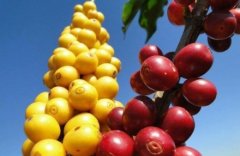
What is the difference between organic coffee and regular coffee?
Recently, organic coffee has appeared frequently in the media. What is organic coffee? What's the difference between organic coffee and regular coffee? The decomposed substances such as the remains and feces of plants and animals are transformed into humus by microorganisms and contain all kinds of nutrients needed for plant growth. It's called organic matter. Organic vegetable ∶ is grown without the use of pesticides or chemical fertilizers
2015-02-07 What organic coffee ordinary difference recently frequent appearance
Is organic coffee really better than regular coffee?
With the aggravation of environmental pollution and people's attention to health, organic food is becoming more and more popular, and coffee is no exception. More and more coffee beans in the coffee market are sold under organic brands. Organic certification marks also appear more and more on various coffee websites, packaging and coffee shop menus. But how high is the organic gold content? Is organic coffee really good?
2014-09-11 Coffee knowledge organic coffee boutique coffee single coffee
Organic coffee beans
In many parts of the world, growers use pesticides to control the growth of coffee pests, and moist and foggy coffee at high altitudes are more vulnerable to pests, so growers often use pesticides to treat them. Many people believe that coffee can be called organic coffee beans as long as synthetic pesticides, herbicides and chemical fertilizers are not used during coffee growth. in fact, only in third parties (except coffee makers and coffee makers).
2014-06-27 What are the organic coffee beans boutique coffee and individual coffee?
Several major certification organizations for organic coffee
Organic coffee is coffee that does not use synthetic pesticides, herbicides or chemical fertilizers during its growth.
2014-07-09 Coffee news identification coffee institutions organic coffee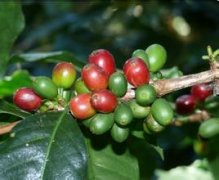
Get to know the organic coffee certification body
Organic coffee is coffee that does not use synthetic pesticides, herbicides or chemical fertilizers during its growth.
2014-07-10 Coffee news coffee certification body organic coffee
World Coffee Bean Certification What is Organic Coffee Bean? How to properly certify organic coffee beans?
Organic coffee is coffee grown without the use of synthetic pesticides, herbicides or chemical fertilizers. These ways of growing coffee help maintain a healthy environment and keep groundwater pure. After harvesting, be sure to use an organic certified roasting plant to process coffee beans. Organic coffee is coffee beans grown in the shade.
2016-01-04 world coffee beans certified what organic how right coffee is in
Reasons for choosing organic coffee beans in the common sense of fine coffee
1. Protect the next generation: reduce exposure to carcinogenic chemicals such as pesticides and herbicides. two。 Prevent soil exhaustion: according to the soil Conservation Society, soil loss is seven times higher after chemicals are used and plants that nourish the soil are destroyed. 3. Energy conservation: modern farming is suitable for planting and harvesting crops made of petroleum artificial fertilizers. 4. To chemical drugs
2014-12-28 Boutique coffee common sense choice organic coffee beans reason protection next generation minus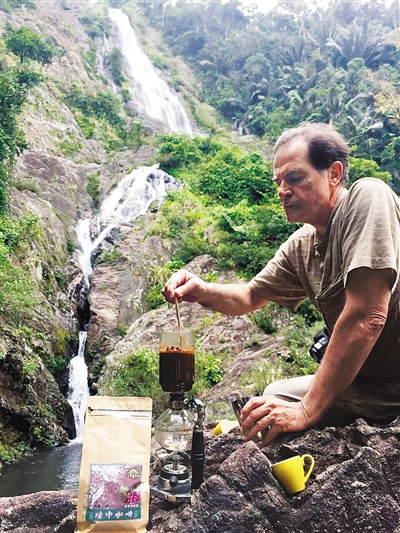
The Italian organic agronomist's trip to Hainan Mountain Coffee made him marvel at the charm of siphon coffee.
Rompuy tasted the waterfall coffee in Qiongzhong. Luo Pei inspected Yangshan Wetland in Haikou. In 2014, Ms. Gao Gao, founder of Squirrel School, a natural education institution in Haikou, went to Europe to study organic agriculture and got to know Mr. LorenzoPeris (Chinese name Lopei), an Italian organic agriculture expert. In early January this year, Mr. Lopei went to Shanghai to participate in organic agriculture.
2016-01-18 Italy organic agronomist Hainan trip mountain coffee let him amazing single
Nestle Coffee and JDE Coffee are accused of using "slave" workers to pick coffee beans.
Nestl é and Jacobs Douwe Egberts (JDE), the world's two largest coffee companies, have admitted that their coffee beans may have been picked and harvested by slave workers on Brazilian farms, the Daily Mail reported. Reported that these slave-like labor income is extremely low, working conditions are poor, but also face the potentially deadly threat of highly toxic pesticides. Prior to this, the Dutch media and Denmark
2016-08-09 Nestle coffee JDE finger slave labor coffee beans
What is organic coffee? what's the difference between organic coffee and ordinary coffee?
Organic ∶ has life. Relating to or derived from an organism. It now refers to those containing carbon atoms, except carbon monoxide, carbon dioxide, carbonic acid, carbonates and certain carbon compounds. Its compound refers to the compound composed of carbon element and hydrogen, oxygen, nitrogen or sulfur. It's called organic matter for short. General plant bodies and animal remains, faeces and other decaying substances, after micro
2016-06-05 What organic coffee ordinary difference living biological related come
Boutique Coffee Coffee Certification Organization of Coffee planting Industry
Fair Trade Coffee Fair Trade Coffee Fair Trade is one of the many coffee certifications and the most widely used international third-party certification. Certified coffee beans usually sell at a higher price. In Europe and the United States, the main circulation channels will set up special shelves of Fairtrade products for consumers to choose from. As the name implies, fair trade emphasizes the public.
2015-01-12 Boutique Coffee planting Industry Certification Organization Fair Trade Fai
Coffee Soy Milk
Coffee soy milk weight loss (a) raw material selection ① Ingredients: 400 ml of white soy milk, 18 grams of milk powder, 12 grams of coffee powder, 12 grams of white sugar. Ingredients: a small amount of hot water. Preparation method ① Dissolve milk powder and coffee in hot water to prepare milk powder liquid and coffee liquid for use.② Boil the white soybean milk in the pot, mix it with coffee solution and milk powder solution, add white sugar and cook for 15 minutes. production
2014-06-30 Coffee Soy Milk Weight Loss Coffee Weight Loss Health
What are the benefits of green coffee?
1: UTZ Certification UTZ is an independent certification body that certifies coffee with traceability. UTZ means good in Quiche (a Mayan language), so UTZ-certified coffee is good coffee. UTZ member companies at each link in the coffee supply chain can view each batch of UTZ certified coffee beans as they move through the supply chain: from the estate to everywhere.
2016-06-08 coffee green beans which related certified boutique UTZ mutual one
Organic Coffee and traditional Coffee
How organic coffee differs from traditional coffee: coffee factories traditionally grow in shade trees and other food and commodity crops. This approach is done for healthier soil and prevented water pollution. Unfortunately, many coffee growers have abandoned this approach in favor of larger crops and greater profits. However, integrated pesticides, herbicides and fertilizers have become necessary
2014-08-06 Coffee knowledge organic coffee traditional coffee
Coffee compares how organic coffee is different from traditional coffee
How organic coffee differs from traditional coffee: coffee factories traditionally grow in shade trees and other food and commodity crops. This approach is done for healthier soil and prevented water pollution. Unfortunately, many coffee growers have abandoned this approach in favor of larger crops and greater profits. However, integrated pesticides, herbicides and fertilizers have become necessary
2015-02-07 Coffee compare organic how tradition different coffee pass
Organic Coffee and traditional Coffee Fine Coffee
How organic coffee differs from traditional coffee: coffee factories traditionally grow in shade trees and other food and commodity crops. This approach is done for healthier soil and prevented water pollution. Unfortunately, many coffee growers have abandoned this approach in favor of larger crops and greater profits. However, integrated pesticides, herbicides and fertilizers have become necessary
2015-07-28 Organic coffee tradition boutique common sense organic how different
How organic coffee is different from traditional coffee
Coffee factories have traditionally been accompanied by shade trees and other food and commodity crops. This approach is done for healthier soil and prevented water pollution. Unfortunately, many coffee growers have abandoned this approach in favor of larger crops and greater profits. However, integrated pesticides, herbicides and fertilizers have become necessary to maintain these crops and make coffee with them.
2014-08-20 Coffee knowledge organic coffee traditional coffee difference
How organic coffee is different from traditional coffee
How organic coffee differs from traditional coffee: coffee factories traditionally grow in shade trees and other food and commodity crops. This approach is done for healthier soil and prevented water pollution. Unfortunately, many coffee growers have abandoned this approach in favor of larger crops and greater profits. However, integrated pesticides, herbicides and fertilizers have become necessary
2015-04-28 Organic coffee how tradition different organic have
Coffee common sense how organic coffee is different from traditional coffee
Coffee factories have traditionally been accompanied by shade trees and other food and commodity crops. This approach is done for healthier soil and prevented water pollution. Unfortunately, many coffee growers have abandoned this approach in favor of larger crops and greater profits. However, integrated pesticides, herbicides and fertilizers have become necessary to maintain these crops and make coffee with them.
2014-12-01 Coffee common sense organic how tradition different coffee factory
Coffee common sense how organic coffee is different from traditional coffee
Coffee factories have traditionally been accompanied by shade trees and other food and commodity crops. This approach is done for healthier soil and prevented water pollution. Unfortunately, many coffee growers have abandoned this approach in favor of larger crops and greater profits. However, integrated pesticides, herbicides and fertilizers have become necessary to maintain these crops and make coffee with them.
2015-01-15 Coffee common sense organic how tradition different coffee factory traditionally grow in