“pebbles” search results (124)

History of Yemeni coffee Yemeni coffee beans Yemeni coffee producing areas
First, the history of Yemeni coffee (1) the origin of mocha coffee is in Yemen, the origin of mocha coffee is very wide, these coffees have their own characteristics and differences from quality to taste, but because these coffees have been shipped and exported from the port of Mocha in Yemen to markets around the world, they are collectively called mocha coffee. The port of Mocha is located in the Red Sea north of the Mande Strait.
2016-07-20 Yemen coffee history coffee beans producing areas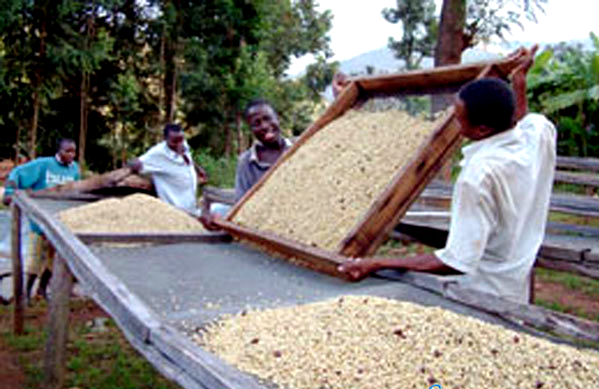
Introduction to the treatment of raw coffee beans: classification and introduction of various refining methods of coffee beans
Generally speaking, there are three kinds of treatment from coffee fruit to raw coffee bean: drying treatment, washing treatment, semi-dry and semi-wet treatment. What is the difference between the three steps? Which is better or worse? (drying in the sun field) drying treatment is the most primitive and simple treatment. 1. After the coffee fruit is actually harvested, it is sent to the sun field to spread evenly, and it is often turned so that the coffee fruit can be evenly distributed.
2015-12-18 Coffee raw beans treatment methods introduction coffee beans grown refined classified coffee
Common sense of coffee processing and identification of coffee beans
Drying is a method of preparing coffee beans for the roasting process. It is the cheapest, simplest and most traditional processing method of coffee beans. When processing, the harvested fruit should be spread on the cement floor, brick floor or straw mat. Ideally, the fruits should be raked flat in the sun and at regular intervals to prevent fermentation. About four weeks later, each fruit
2014-11-10 Coffee knowledge coffee common sense coffee beans processing identification
Basic knowledge of coffee processing and identification of coffee beans
Drying is a method of preparing coffee beans for the roasting process. It is the cheapest, simplest and most traditional processing method of coffee beans. When processing, the harvested fruit should be spread on the cement floor, brick floor or straw mat. Ideally, the fruits should be raked flat in the sun and at regular intervals to prevent fermentation. About four weeks later, each fruit
2015-04-20 Coffee basics common sense coffee beans processing identification drying roasting process preparation
Knowledge | Classification of defective beans
If too many defective beans are mixed into coffee roasting, the color of the finished product will be mottled. Compared with normal beans, defective beans oxidize very quickly and sometimes turn white after baking. Cheap coffee beans are often sold in stores such as supermarkets or coffee shops. if you open those packages, you can find that they are mixed with a lot of unevenly roasted beans.
2016-08-20 Knowledge defects classification coffee baking time if blending too many
Coffee and its products-- terminology (2)
Pulper--mipped bean cut or scraped wet processed coffee beans, often with brown black scars. 3.20 Brown coffee beans brown bean brown-black coffee beans. 3.21 White coffee beans white bean are simply called white beans, that is, coffee beans with a white surface. 3.22 Amber beans amber bean yellow coffee beans
2015-08-14 Coffee and its products nouns terms 3.19 damaged beans pulper-
Standard of SCAA pecialty Coffee Fine Coffee Raw Bean
[SCAA "Specialty Coffee" standard for high-quality coffee raw beans] the raw bean defects of SCAA can be divided into two types: I and II. The requirement for premium coffee grade (specialty coffee) is: 1. There are no class I defects; 2. No more than 5 II class defects 3. There can be no "quaker" (0 quaker) Quick beans in cooked coffee beans. 4. The appearance of raw coffee beans
2015-01-08 SCAA pecialty Coffee boutique coffee raw beans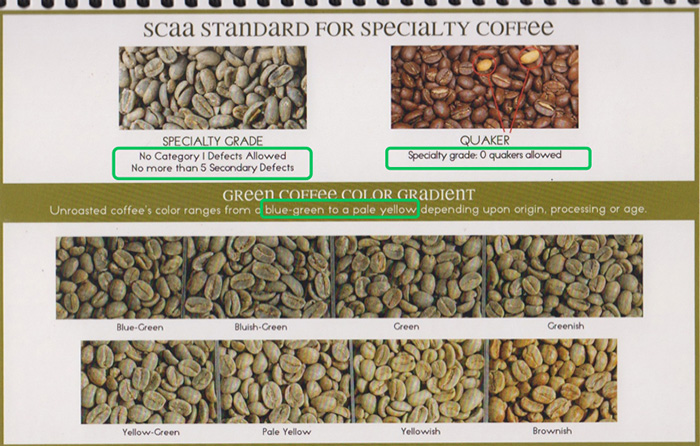
Boutique coffee beans: the standard of SCAA pecialty Coffee boutique coffee raw beans
The raw bean defects of SCAA can be divided into two types: I and II. The requirement for premium coffee grade (specialty coffee) is: 1. There are no class I defects; 2. No more than 5 II class defects 3. There can be no "quaker" (0 quaker) Quick beans in cooked coffee beans. 4. The color range of raw coffee beans is pale yellow (light yellow), yellow-green (
2015-12-08 Boutique coffee beans SCAA pecialty Coffee coffee
Shocked! Zhejiang Niulan Pig House Becomes Art Cafe
Debris walls, low eaves, potholes and mud in the countryside originally dilapidated cattle pen pigsty, now transformed into a tea room, coffee shop feeling retro feelings; pig food trough, eel cage, stone millstone, gourd ladle these objects can only be seen in the old rural houses, in an instant into the embellishment of nostalgia. In Dipu Village, Jiangnan Town, Tonglu County, Zhejiang Province, beautiful village construction has idle cattle for many years.
2015-05-12 shock zhejiang cattle pen pigsty transformation art cafe debris exterior wall low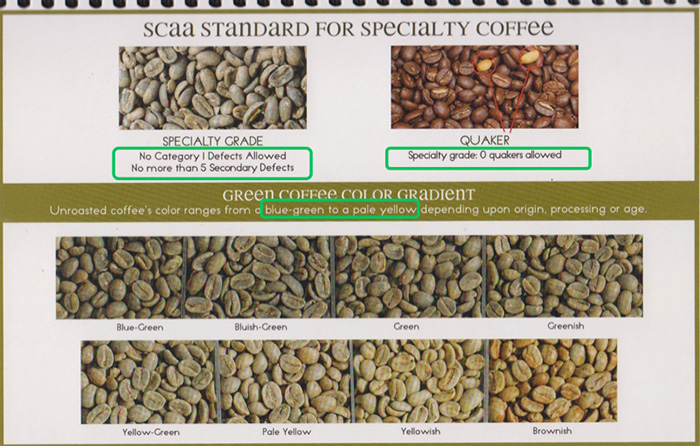
The standard of SCAA pecialty Coffee boutique coffee raw beans is necessary for a good cup of coffee.
The raw bean defects of SCAA can be divided into two types: I and II. The requirement for premium coffee grade (specialty coffee) is: 1. There are no class I defects; 2. No more than 5 II class defects 3. There can be no "quaker" (0 quaker) Quick beans in cooked coffee beans. 4. The color range of raw coffee beans is pale yellow (light yellow), yellow-green (
2015-12-05 SCAA pecialty Coffee boutique coffee raw beans
On the processing of coffee beans
There are two ways to prepare coffee beans for the baking process. The method chosen has a significant impact on the final value and quality of coffee. The cheapest method of processing is called "drying", which is used for lower-grade coffee beans, while higher-quality coffee beans are processed by "wet treatment".
2014-08-08 Coffee knowledge coffee bean processing coffee encyclopedia
An introduction to the History and present situation of Mocha Coffee
(1) the origin of mocha coffee is in Yemen, and the origin of mocha coffee is very wide. These coffees have their own characteristics and certain differences in terms of quality and taste. However, because these coffees have been shipped and exported from the port of Mocha in Yemen to markets around the world, they are collectively called mocha coffee. The port of Mocha is located on the coast of the Red Sea north of the Mande Strait, overland distance from Aden
2016-06-05 Mocha coffee history origin current situation introduction
Coffee common sense what is the processing of coffee beans
There are two ways to prepare coffee beans for the baking process. The method chosen has a significant impact on the final value and quality of coffee. The cheapest method of processing is called drying, which is used for lower-grade coffee beans, while higher-quality coffee beans are processed by wet treatment. Drying is used for unwashed coffee beans. Wet treatment used for thorough cleaning or semi-cleaning.
2015-01-19 Coffee common sense coffee beans processing process how roasting preparation coffee
Fine Coffee Science explains the processing of coffee beans in detail
There are two ways to prepare coffee beans for the baking process. The method chosen has a significant impact on the final value and quality of coffee. The cheapest method of processing is called drying, which is used for lower-grade coffee beans, while higher-quality coffee beans are processed by wet treatment. Drying is used for unwashed coffee beans. Wet treatment used for thorough cleaning or semi-cleaning.
2014-10-29 Coffee knowledge boutique coffee science coffee bean processing
Linhai Park: "Coffee House" Built in Pine Forest
Linhai Park under planning covers an area of 167,000 square meters, among which the forest leisure area includes coffee houses, wooden landscape pavilions, etc., where you can enjoy the natural beauty while feeling as if you are in a natural oxygen bar.
2014-05-29 Coffee House Forest Park Pine Forest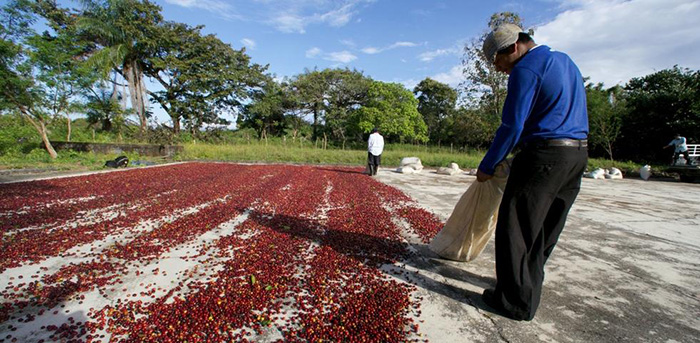
Processing of coffee beans which method is suitable for different coffee beans
There are two ways to prepare coffee beans for the baking process. The method chosen has a significant impact on the final value and quality of coffee. The cheapest method of processing is called drying, which is used for lower-grade coffee beans, while higher-quality coffee beans are processed by wet treatment. Drying is used for unwashed coffee beans. Wet treatment used for thorough cleaning or semi-cleaning.
2015-11-24 Coffee beans processed different co-used planted treated methods
Processing of fresh coffee beans
Wet treatment requires the use of specific equipment and a large amount of water. When properly operated, it can ensure that the original quality of coffee beans is better preserved, producing homogeneous coffee beans with few bad beans. As a result, coffee beans produced in this way are generally considered to be of better quality and charge higher prices. Even after careful harvest, a certain amount of underdried and undercooked coffee
2014-09-29 Processing of fresh coffee beans
Two methods for processing fresh coffee beans: wet treatment and drying
Wet treatment requires the use of specific equipment and a large amount of water. When properly operated, it can ensure that the original quality of coffee beans is better preserved, producing homogeneous coffee beans with few bad beans. As a result, coffee beans produced in this way are generally considered to be of better quality and charge higher prices. Even after careful harvest, a certain amount of underdried and undercooked coffee
2015-03-20 Coffee fresh beans processing two methods detailed explanation drying treatment requirements
Two methods of wet treatment and dry treatment in the processing of fresh coffee beans
Wet treatment requires the use of specific equipment and a large amount of water. When properly operated, it can ensure that the original quality of coffee beans is better preserved, producing homogeneous coffee beans with few bad beans. As a result, coffee beans produced in this way are generally considered to be of better quality and charge higher prices. Even after careful harvest, a certain amount of underdried and undercooked coffee
2015-06-06 Coffee fresh beans processing two methods treatment requirements use specific
Two methods for processing fresh coffee beans: wet treatment and drying
Wet treatment requires the use of specific equipment and a large amount of water. When properly operated, it can ensure that the original quality of coffee beans is better preserved, producing homogeneous coffee beans with few bad beans. As a result, coffee beans produced in this way are generally considered to be of better quality and charge higher prices. Even after careful harvest, a certain amount of underdried and undercooked coffee
2015-09-15 Coffee fresh beans processing two methods detailed explanation drying treatment requirements