“oval” search results (1318)

Slippery taste of Bolivian coffee manor features boutique coffee beans
The legal capital, the seat of the Supreme Court, with a population of 284000, 2790 meters above sea level. Founded in 1538, the city was formerly known as Chuquisaka. The city witnessed the first uprising in South America against Spanish rule in 1809. Bolivia declared its independence here in 1825 and became the capital in 1826. In 1839, it was renamed Sucre to commemorate the second president of Bolivia, General Antonio Jos é Sucre.
2016-08-23 Slippery taste Bolivia coffee manor producing area characteristics boutique coffee beans
Coffee classroom: the difference between Arabica and Robusta coffee beans
The world's coffee beans are mainly divided into two categories: small seed coffee bean Arabica Arabica and medium grain coffee bean Robusta Robsta. Small seed coffee beans grow in the temperate and tropical climate of Haiba 600-2000 meters, with rich and delicate taste, strong smell, high acidity and smooth texture, bringing strong aroma and smoothness to the coffee.
2015-03-05 Coffee lecture hall Arabica Robusta coffee beans difference all
What's the difference between Arabica and Robusta?
The world's coffee beans are mainly divided into two categories: small seed coffee bean Arabica (Arabica) and medium seed coffee bean Robusta (Robusta). Small seed coffee beans grow in the temperate zone and climate of Haiba, with a rich and delicate taste, strong smell, high acidity and smooth texture, bringing strong aroma and smoothness to the coffee. Medium seed coffee bean is just like its English name Ro.
2015-11-02 Arabica Robusta what the difference the whole world coffee beans
Arabica beans and Robusta beans
There are countless kinds of coffee in the world according to region, baking method and cooking method, but there are only two types of coffee beans that make these kinds of coffee: ROBUSTA beans and ARABICA beans. ARABICA coffee accounts for about 2% of the world's coffee production. Coffee beans are oval flat, small and light in color. It has high quality and rich fragrance. Most of Africa
2014-07-07 Coffee knowledge Arabica Robusta Coffee Encyclopedia
Coffee beans introduce the characteristics of round beans coffee beans what are the picking coffee beans?
Small round beans in coffee beans: there are usually two seeds in a coffee fruit, but after picking, there is usually only one seed in about 5-10% of the berries, because only one ovule was fertilized in the ovary. When this bean grows, it will be close to an oval shape, which is commonly known as the small round bean. This coffee bean will be smaller than normal Arabica coffee beans.
2016-03-19 Coffee beans introduction small round characteristics picking what is it coffee beans medium
The planting temperature of coffee tree is between 15 degrees and 25 degrees.
The origin of the coffee tree is Ethiopia in Africa. In botany, coffee trees belong to the evergreen trees of the subgenus Rubiaceae, and coffee beans, commonly known as coffee beans, are actually the seeds of the fruit of coffee trees. They are called coffee beans only because they are shaped like beans. Climate is the decisive factor for coffee cultivation. Coffee trees are only suitable for growing in the tropics or subtropics, so latitude 25 degrees south and north.
2015-10-07 Coffee planting condition temperature between 15 degrees -25 degrees between coffee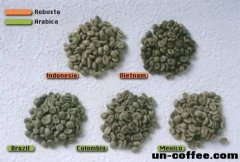
Coffee classroom: the difference between Arabica and Robusta coffee beans
The world's coffee beans are mainly divided into two categories: small seed coffee bean Arabica (Arabica) and medium seed coffee bean Robusta (Robusta). Small seed coffee beans grow in the temperate zone and climate of Haiba, with a rich and delicate taste, strong smell, high acidity and smooth texture, bringing strong aroma and smoothness to the coffee. Medium seed coffee bean is just like its English name Ro.
2014-07-23 Coffee lecture hall coffee bean classification coffee bean type coffee bean difference coffee encyclopedia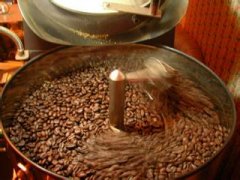
The planting conditions of high-quality coffee beans and common sense coffee trees
The origin of the coffee tree is Ethiopia in Africa. In botany, coffee trees belong to the evergreen trees of the subgenus Rubiaceae, and coffee beans, commonly known as coffee beans, are actually the seeds of the fruit of coffee trees. They are called coffee beans only because they are shaped like beans. Climate is the decisive factor for coffee cultivation. Coffee trees are only suitable for growing in the tropics or subtropics, so latitude 25 degrees south and north.
2015-02-25 Boutique coffee beans common sense coffee planting conditions origin Africa Egypt
Coffee raw bean boutique coffee raw bean latest introduction and details
Raw coffee beans are the seeds of coffee trees. It is the wealth hidden in coffee cherries (coffee berries) that people usually call coffee cherries. They are mistakenly called beans because they are similar to the beans we usually see, but they are actually the seeds of coffee. Usually there are two flat oval coffee beans in the coffee berries, and there is only one in a few coffee berries.
2015-12-20 Coffee raw beans boutique latest introduction details coffee seeds people
The Life of two kinds of Coffee beans of Arabica Arabica and Robusta Robusta
Coffee beans in the world are mainly divided into two categories: small seed coffee bean Arabica (Arabica) and medium seed coffee bean Robusta (Robusta). Small seed coffee beans grow in a temperate climate of 600-2000 meters in Haiba, with rich and delicate taste, strong smell, high acidity and smooth texture, bringing strong aroma and smoothness to the coffee. Medium seed coffee bean is just like its English name Robusta.
2016-04-12 Arabica rabbi Robusta Robbs Booth two kinds coffee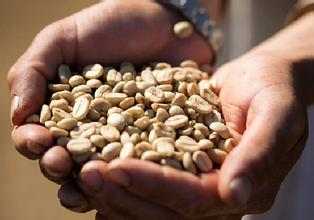
Fine coffee green beans, coffee green beans, naming sources and preservation methods
Green coffee beans are the seeds of the coffee tree. It is the wealth hidden in cherries (coffee berries) commonly known as coffee. They are mistakenly called beans because they are similar to the beans we normally see, but they are actually coffee seeds. Usually coffee berries contain two flat, oval green beans, and a few coffee berries contain only one.
2015-11-23 boutique coffee green beans naming origin and preservation way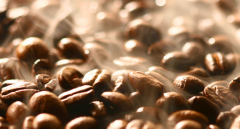
How do you classify coffee beans? What kind of coffee beans are good? What kind of coffee beans are of good quality?
Small round beans in coffee beans: there are usually two seeds in a coffee fruit, but after picking, there is usually only one seed in about 5-10% of the berries, because only one ovule was fertilized in the ovary. When this bean grows, it will be close to an oval shape, which is commonly known as the small round bean. This coffee bean will be smaller than normal Arabica coffee beans.
2016-03-16 Coffee beans how classification what good quality coffee beans medium small round usually
The taste of Bolivian coffee with a bitter taste an introduction to the characteristics of fine coffee in the manor area.
Rich in mineral resources, mainly tin, antimony, tungsten, silver, zinc, lead, copper, nickel, iron, gold and so on. Mineral deposits are rich, with tin reserves of 1.15 million tons, ranking second in the world; iron reserves of 45 billion tons, second only to Brazil in Latin America; and lithium reserves of 100 million tons, ranking first in the world. [7] Oil and gas Bolivia is rich in oil and gas resources. Proven oil reserves are 929 million barrels, as of 2013
2016-08-24 With a little bitterness Bolivia coffee flavor taste manor producing area characteristics essence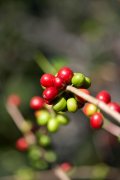
Arabica Coffee Bean Red Wine treatment Coffee production area introduces Colombian flavor
Arabica coffee accounts for about 65% and 80% of the world's coffee beans, and its excellent flavor and aroma make it the only coffee among these native species that can be drunk directly and alone. However, its resistance to drying, frost, diseases and insect pests is low, especially to the biggest natural enemy of coffee, leaf rust, so all producing countries are committed to improving varieties. For example, the well-known Sri
2016-04-18 Rabbi Coffee beans Red Wine processing Coffee producing area introduction Columbia Flavor
Dama Village, Yega Xuefei area, Ethiopia Coffee
The Sidamo producing area, which is 1400-2200 meters above sea level, is a famous boutique coffee area in southern Ethiopia, bordering Kenya. The washed Sidamo is light green, the beans are small, the growth is oval, the fruit is full, the average quality is good, the smell is fragrant and mellow, a drop of entrance, endless aftertaste, with wild beauty. The coffee flavor of Sidamo is very diverse and different.
2016-05-21 Ethiopia Coffee Yega Sheffield region Dama Village Dama Sidam
Coffee knowledge: three original species of Coffee
Arabica coffee, which is native to Ethiopia, is easy to grow and has a high yield. It is the best coffee in the world in terms of quality and the only coffee that can be drunk without any ingredients. At present, Arabica coffee production accounts for about 70% of the world's total coffee production. The two best varieties of Arabica coffee are Tippica and bourbon.
2016-09-21 Coffee knowledge Sanyuan
Planting and harvesting of coffee trees
The first people to drink coffee lived in Ethiopia. A drink called "Buncham" was found in the Arab scientific literature of 900-1000 AD, but it is not certain that it is coffee.
2014-09-02 Coffee knowledge coffee tree planting coffee tree picking
Types of Arabica coffee
Arabica coffee (Coffee.Arabica): also known as Arabica coffee, its taxonomic position was determined by Linnaeus in 1753. It can produce Arabica coffee (C.Arabica) beans, which can be called high-quality coffee beans in the world and the only coffee that can be drunk without any ingredients. It accounts for about 70% of the world's total coffee production. Arabica coffee (C
2014-09-13 Arabica coffee coffee type
Coffee variety Arabica coffee
Arabica coffee (Coffee.Arabica): also known as Arabica coffee, its taxonomic position was determined by Linnaeus in 1753. It can produce Arabica coffee (C.Arabica) beans, which can be called high-quality coffee beans in the world and the only coffee that can be drunk without any ingredients. It accounts for about 70% of the world's total coffee production. Arabica coffee (C
2014-09-17 Coffee variety Arabica coffee
Introduction of Ethiopian Sidamo coffee beans with clear acidity and smooth taste
The Sidamo producing area, which is 1400-2200 meters above sea level, is a famous boutique coffee area in southern Ethiopia, bordering Kenya. The washed Sidamo is light green, the beans are small, the growth oval, the fruit is full, the average quality is good, the smell is fragrant and mellow, the coffee beans are slightly gray, some places are thick and some places are small, the acidity is soft and strong, and the mellowness is rich.
2016-07-01 Clear sour smooth taste Ethiopia Dharma coffee beans introduction