“no caffeine” search results (5000)

What is the method of extracting caffeine from decaf coffee
Decaf decaffein so-called decaffeinated coffee, as the name implies, is coffee with only a small amount of caffeine. Coffee contains many ingredients and substances, among which caffeine has an obvious effect on the human body. For many people who are addicted to coffee but whose physical condition does not allow caffeine, decaf is the best choice. Generally speaking, coffee beans
2015-08-03 What decaine coffee extract caffeine method decaf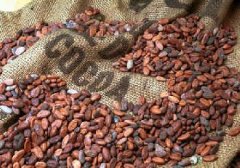
Decaffein, the processing method of low caffeine coffee beans
CO2 low-caffeine treatment and other low-caffeine treatments are described as follows: at present, there are three ways to remove caffeine from coffee beans: 1. Water treatment can remove 9496% of the caffeine. 2. Chemical extraction method, early use of chloroform (Chloroform) and benzene (Benzene) as solvents to extract caffeine, and later understand that these chemicals cause cancer, and then gradually become other low-hazard chemicals.
2015-04-11 Caffeine coffee beans processing methods Decaffein
Decaffein, the processing method of low caffeine coffee beans
CO2 low-caffeine treatment and other low-caffeine treatments are described as follows: at present, there are three ways to remove caffeine from coffee beans: 1. Water treatment can remove 9496% of the caffeine. 2. Chemical extraction method, early use of chloroform (Chloroform) and benzene (Benzene) as solvents to extract caffeine, and later understand that these chemicals cause cancer, and then gradually become other low-hazard chemicals.
2015-10-24 Caffeine coffee beans processing methods Decaffein
Caffeine should not exceed 300mg every day.
Some people are still restrained in the face of coffee, no matter how much they enjoy it, and there is a reason for this. Bobo, a senior dietitian who has long been engaged in beverage culture promotion and publishing, believes that busy urban people should adhere to the principle of moderation when enjoying coffee. A digestive study at Stanford University School of Medicine in the United States once set a safety mark for caffeine intake: no more than 300m per day.
2014-08-05 Caffeine every day over 300mg some face coffee no matter enjoy
Processing methods of low caffeine coffee beans
At present, there are three ways to remove caffeine from coffee beans: 1. Water treatment can remove 9496% of the caffeine. 2. Chemical extraction method, early use chloroform (Chloroform), benzene (Benzene) as solvent to extract caffeine, later understand that these chemicals cause cancer, and gradually be replaced by other low-hazard chemicals, but after all, the chemical substances are not natural enough, this method can extract 9.
2014-08-19 Coffee knowledge caffeine coffee bean processing coffee encyclopedia
Coffee knowledge: caffeine FAQ to understand the effects of caffeine on the human body
Q: drinking coffee in the evening can lead to insomnia? A: in fact, this is a common misinterpretation of the refreshing effect of caffeine. Although caffeine has a good pick-me-up and excitement-boosting effect, ordinary coffee won't cause insomnia even before going to bed. Most of the so-called insomnia is caused by the psychological effect of people and the exciting effect of coffee. Q: long-term photography
2015-12-17 Coffee knowledge main points explanation caffeine FAQ understanding Human body
China Coffee Network caffeine and decaf raw bean label interpretation: EP,SWP and decaf
Caffeine and decaf caffeine, caffeine, is a natural ingredient in coffee. In addition to coffee, many foods we come into contact with in our daily life also contain this ingredient, such as tea, chocolate, cola, cold medicine and so on. In order to cater to a variety of tastes, coffee beans are sometimes decontaminated to get the familiar decaf, decaffeinated c
2016-04-06 China Coffee caffeine low caffeine Raw beans labels interpretation SWP
Is there any medicine for coffee beans? how to make a strong coffee?
1. Effect on the central nervous system: caffeine, the main active ingredient of coffee, and its structural analogue theophylline have a strong central excitatory effect on coffee trees. But theophylline has a stronger effect and lasts longer than caffeine. People who take caffeine or drink caffeinated drinks often show that drowsiness disappears, fatigue is reduced, and the mind is quick. With the increase of the dose, the excitatory effect of the central nervous system becomes clearer.
2016-06-08 Coffee beans no medicine value strong coffee how preparation center god
Coffee and health knowledge
Whether coffee affects health is a topic of great concern to many people, and scientists have been debating it for many years. But so far, scientific research has not found conclusive evidence that moderate consumption of coffee is harmful to human health. Between 1970 and 1980, the results of this study were usually negative. Extensive media coverage makes people feel uneasy about the caffeine in their diet
2014-06-14 Coffee and Health Coffee knowledge Coffee beans
Coffee and health knowledge: does coffee affect health?
Whether coffee affects health is a topic of great concern to many people, and scientists have been debating it for many years. But so far, scientific research has not found conclusive evidence that moderate consumption of coffee is harmful to human health. Between 1970 and 1980, the results of this study were usually negative. Extensive media coverage makes people feel uneasy about the caffeine in their diet
2015-06-26 Coffee health knowledge whether influence health
There is no problem with three cups of coffee a day.
The chemical composition of coffee is very complex, there are thousands of kinds, and there are even nearly 200 unknown chemical substances, but in view of the fact that coffee is the third largest trading product in the world, Western and Arab countries have not seen a higher mortality rate than the Chinese in the history of drinking for hundreds of years, which shows that coffee is still safe as a beverage. The most notorious thing in coffee is caffeine, although
2015-05-18 Every day 3 cups of coffee no any coffee medium chemistry ingredients
New use of caffeine: improving memory
Some people like to make a cup of tea, while others used to make a pot of coffee in the morning, while others like to drink carbonated drinks to refresh themselves when they wake up. No matter what kind of habit, drinking caffeinated drinks is the first refreshing point for millions of people in the morning.
2015-03-14 Caffeine new use use improvement memory
New study finds new uses for caffeine: improving memory
No matter what kind of habit, drinking caffeinated drinks is the first choice for millions of people to refresh themselves in the morning. But researchers at Johns Hopkins University have found a new use for caffeine: to improve memory.
2014-05-15 Coffee news coffee knowledge provide memory
The benefits of drinking coffee the health effects of drinking coffee
First, because coffee contains caffeine, caffeine stimulates the cerebral cortex, eliminates drowsiness, increases feeling and thinking, and can be used as a cardiotonic agent to regulate heart function, as well as dilating kidney blood vessels and diuresis. However, caffeine is not just coffee. Usually a cup of coffee with 60-65mg caffeine. But if you consume too much caffeine, tinnitus will occur easily.
2015-02-02 Coffee benefits health effects first of all because coffee contains caffeine thorns.
New study finds caffeine improves memory
Some people like to make a cup of tea, while others used to make a pot of coffee in the morning, while others like to drink carbonated drinks to refresh themselves when they wake up. No matter what kind of habit, drinking caffeinated drinks is the first refreshing point for millions of people in the morning.
2014-12-31 New research research discovery caffeine effect improvement memory some people like
Excessive consumption of caffeinated functional drinks may cause addiction and mental disorders
Background news recently, Red Bull drinks have experienced the storm of off-shelf and on-the-shelf. The official website of the State Drug Administration said: as to whether the simultaneous use of sodium benzoate and caffeine in Red Bull beverages will be harmful to health, the expert group has studied and demonstrated that the two raw materials are used in accordance with the approved amount of use. in line with the relevant national regulations; consumers according to the label mark suitable crowd, food
2015-06-24 Caffeine function drinks excessive drinking addiction mental disorders background news recent
Can pregnant women drink coffee? Will coffee cause calcium loss?
In 1980, the US Food and Drug Administration (FDA) issued a statement advising women who are or may be pregnant to reduce their caffeine intake; but many studies since then have indicated that there is no evidence to show that moderate amounts of caffeine have adverse effects on the fetus, and there are no medical reports banning pregnant women from drinking coffee, but FDA did not change its original advice.
2015-03-06 Pregnant women can not can drink coffee caused quality loss AD 19
Is it true that "drinking coffee is not refreshing" on the Internet?
Drinking coffee is a way for many people to relieve drowsiness. In people's opinion, coffee can stimulate the central nervous system, heart and respiratory system because it contains caffeine, which can relieve fatigue and refresh the mind. Recently, however, there is a saying on the Internet that drinking coffee is not really refreshing. So, is this statement true? Netizens: there are still sleepy journalists after drinking coffee.
2014-10-25 Coffee knowledge coffee is not refreshing coffee is refreshing
New study finds new uses for caffeine: improving memory
Some people like to make a cup of tea, while others used to make a pot of coffee in the morning, while others like to drink carbonated drinks to refresh themselves when they wake up. No matter what kind of habit, drinking caffeinated drinks is the first refreshing point for millions of people in the morning.
2015-10-29 New research findings caffeine new uses improvements memory
Study finds new use of caffeine: improving memory
Some people like to make a cup of tea, while others used to make a pot of coffee in the morning, while others like to drink carbonated drinks to refresh themselves when they wake up. No matter what kind of habit, drinking caffeinated drinks is the first refreshing point for millions of people in the morning.
2015-10-16 Research discovery caffeine new use use improvement memory