“nicotine” search results (678)

The basic Chemical reaction of Coffee Baking process
Original: Basic Chemical Reactions Occurring in the Roasting Process by Carl Staub sourced from the SCAA Roast Color Classification System developed by Agtron-SCAA in 1995 Many thermal and chemical reactions occur during the roasting proces
2015-01-27 Coffee roasting process basic Chemical reaction Chinese-English Bilingual Translation original B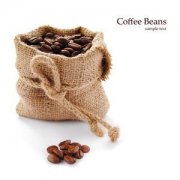
Basic chemical reactions in the roasting process of coffee in both Chinese and English
Original: Basic Chemical Reactions Occurring in the Roasting Process by Carl Staub sourced from the SCAA Roast Color Classification System developed by Agtron-SCAA in 1995 Many thermal and chemical reactions occur during the roasting proces
2015-04-14 Coffee roasting process basic chemical reaction Chinese-English bilingual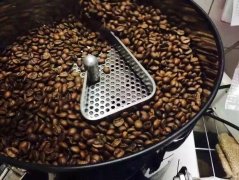
Explanation of the basic chemical reaction of coffee roasting in both Chinese and English
Original: Basic Chemical Reactions Occurring in the Roasting Process by Carl Staub sourced from the SCAA Roast Color Classification System developed by Agtron-SCAA in 1995 Many thermal and chemical reactions occur during the roasting proces
2015-10-26 Coffee roasting process basic chemical reaction Chinese-English bilingual explanation
How does the sour and bitter in coffee come from?
Many thermal and chemical reactions take place during baking: decarbonation, dehydration of quinic acid, subdivision, isomerization, polymerization, and complex sugar reactions (caramelization).
2014-08-25 Coffee knowledge sour coffee bitter coffee why coffee is bitter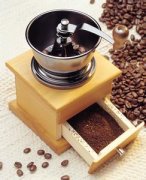
Detailed Analysis of the components of Coffee beans
Raw coffee beans do not contain the special aroma of coffee, so they are not eaten directly and must be roasted before a large number of volatile aroma compounds are produced.
2014-05-16 Coffee knowledge coffee bean ingredients
The health benefits and disadvantages of drinking coffee
The benefits of coffee: 1. Coffee contains certain nutrients. Coffee beans contain sugars, protein, fat, nicotinic acid, potassium, crude fiber, moisture and other nutrients. Nicotinic acid in coffee contains vitamin B, which is higher in roasted coffee beans. And there are free fatty acids, caffeine, tannic acid and so on. two。 Coffee is good for the skin. Taking a bath with coffee powder is a kind of thermotherapy
2014-08-18 Coffee knowledge coffee encyclopedia coffee knowledge
The advantages and disadvantages of drinking coffee teach you to distinguish between different kinds of coffee.
Vitamin B is found in a certain percentage of nicotinic acid in coffee. It can also be said that coffee contains certain nutrients. Coffee beans are more nutritious after processing. And will add new nutrients, free fatty acids, caffeine, tannic acid and so on. two。 There is also nicotinic acid in coffee, which is high in nutrients and contains vitamin B, and the roasted coffee beans are nutritious.
2016-05-25 Coffee advantages and disadvantages teach you distinguish different grow vitamins is in coffee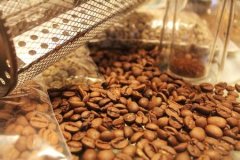
The basic chemical reaction that takes place during coffee roasting.
Basic chemical reactions that occur during coffee roasting author: Carl Staub originates from the SCAA baking color classification system, developed by Agtron SCAA 1995 original text from: http://www.sweetmarias.com/roast.carlstaub.html translation: Grant, http://www.baristacn.com/forum/thread-1583-1-1.html in the roasting process
2015-04-16 Coffee roasting process medium hair raw basic chemical reaction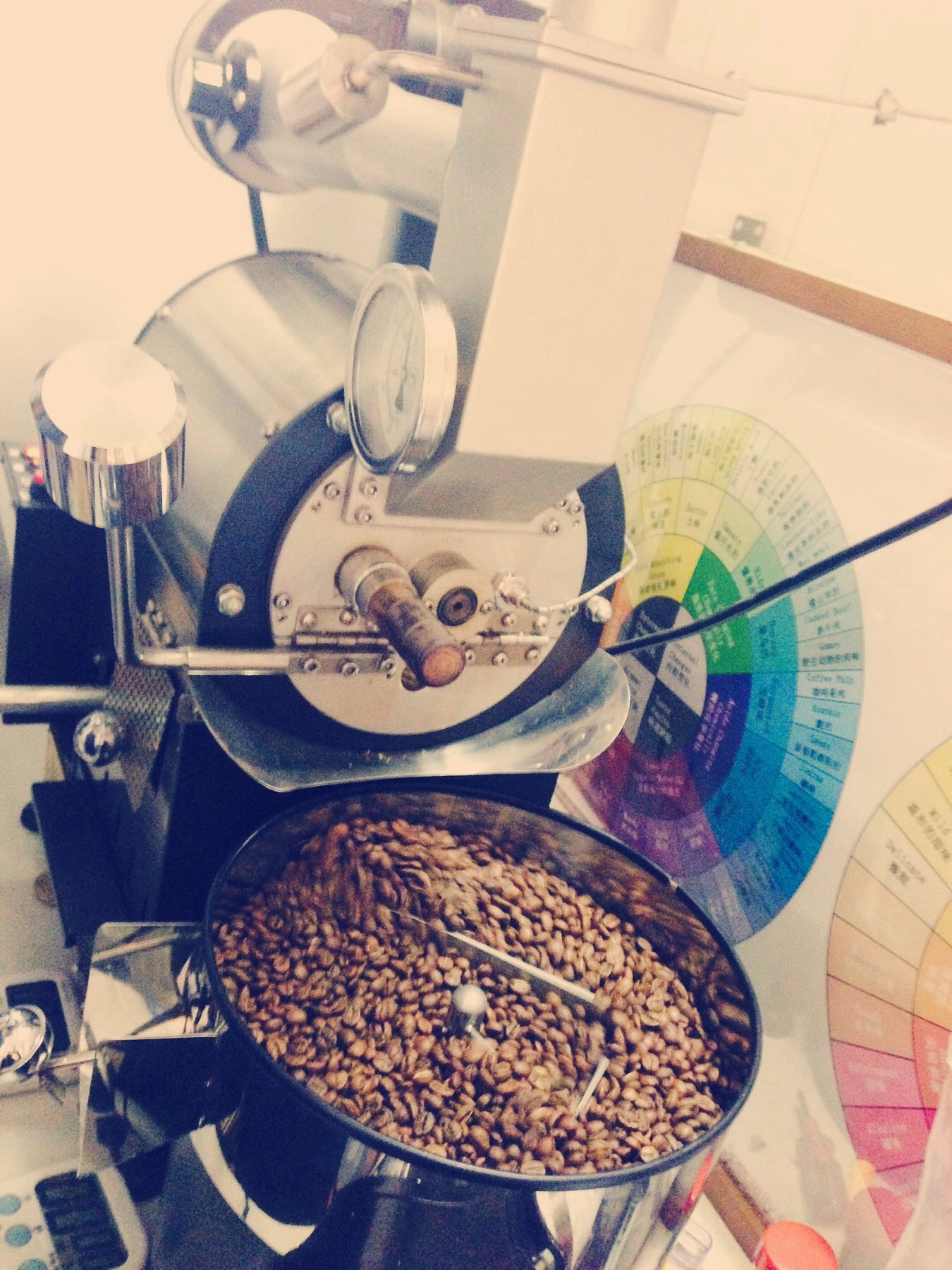
Key points of coffee roasting techniques: basic chemical reactions that take place during coffee roasting
Basic chemical reactions that occur during coffee roasting author: Carl Staub originates from the SCAA baking color classification system, developed by Agtron SCAA 1995 original text from: http://www.sweetmarias.com/roast.carlstaub.html translation: Grant, http://www.baristacn.com/forum/thread-1583-1-1.html in the roasting process
2015-12-16 Coffee roasting techniques key points process medium hair raw basic chemical reaction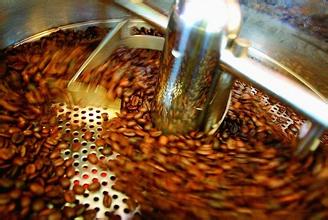
The basic chemical reaction that occurs during coffee roasting. The ingredients produced by the degree of coffee roasting.
Basic chemical reactions that occur during coffee roasting author: Carl Staub originates from the SCAA baking color classification system, developed by Agtron SCAA 1995 original text from: http://www.sweetmarias.com/roast.carlstaub.html translation: Grant, http://www.baristacn.com/forum/thread-1583-1-1.html in the roasting process
2016-01-23 Coffee roasting process medium hair raw basic chemical reaction degree produced made
Detailed analysis of coffee bean ingredients
Volatile substances: Volatile substances are the main source of coffee flavor and are especially important for coffee quality. There are many kinds of volatile compounds in coffee, and their existence will affect the aroma quality of coffee. The main source is derived from non-volatile substances from raw beans, which are broken off or reacted during roasting. Thermal decomposition, other reactions, or interactions between components, e.g. sugar
2014-11-22 Coffee knowledge Fine coffee science Coffee bean ingredients
Basic chemical reactions that occur during coffee roasting
Many thermal and chemical reactions take place during baking: decarbonation, dehydration of quinic acid, fragmentation, isomerization, polymerization, and complex sugar reactions (caramelization). The main thermally reactive components are monosaccharides and sucrose, chlorogenic acid, displaced amino acids, and trigonelline amide. Both aravinone and calactose in polysaccharides are transferred, and basic sulfurization contains hydroxyamino acids.
2014-08-20 Coffee knowledge Coffee roasting Chemical changes Coffee encyclopedia
Basic knowledge of boutique coffee bean ingredients
★ volatile compounds: volatile compounds are the main source of coffee flavor, especially important for coffee quality. There are many kinds of volatile substances in coffee, and their existence will affect the aroma quality of coffee. Its main source is derived from non-volatile substances in raw beans which are disconnected or derived after reaction in the process of roasting. The role of thermal decomposition, other reactions, or compositions, such as sugar.
2014-12-19 Boutique coffee basics common sense coffee beans ingredients volatility substances wind
Detailed analysis of volatile compounds in coffee beans
★ volatile compounds: volatile compounds are the main source of coffee flavor, especially important for coffee quality. There are many kinds of volatile substances in coffee, and their existence will affect the aroma quality of coffee. Its main source is derived from non-volatile substances in raw beans which are disconnected or derived after reaction in the process of roasting. The role of thermal decomposition, other reactions, or compositions, such as sugar.
2015-06-04 Coffee beans ingredients details Analysis volatility substances Coffee
Detailed Analysis of the components of Coffee beans
★ volatile compounds: volatile compounds are the main source of coffee flavor, especially important for coffee quality. There are many kinds of volatile substances in coffee, and their existence will affect the aroma quality of coffee. Its main source is derived from non-volatile substances in raw beans which are disconnected or derived after reaction in the process of roasting. The role of thermal decomposition, other reactions, or compositions, such as sugar.
2015-03-16 Coffee knowledge coffee beans ingredients details analysis volatility substances coffee wind
The basic chemical reaction of coffee roasting process
Many thermal and chemical reactions take place during baking: decarbonation, dehydration of quinic acid, subdivision, isomerization, polymerization, and complex sugar reactions (caramelization). The main components of the thermal reaction are monosaccharides and sucrose, chlorogenic acid, free amino acids, and fenugreek amide. Both aravinose and calactose in the polysaccharides are transferred, and the basic vulcanization contains hydroxylated amino acid.
2014-08-15 Coffee knowledge coffee roasting process baking chemical reaction
The basic chemical reaction that takes place during coffee roasting.
Many thermal and chemical reactions take place during baking: decarbonation, dehydration of quinic acid, subdivision, isomerization, polymerization, and complex sugar reactions (caramelization). The main components of the thermal reaction are monosaccharides and sucrose, chlorogenic acid, free amino acids, and fenugreek amide. Both aravinose and calactose in the polysaccharides are transferred, and the basic vulcanization process includes hydroxylamine.
2014-11-22 Coffee knowledge coffee common sense coffee roasting chemical reaction
The basic chemical reactions that take place during coffee roasting
Many thermal and chemical reactions take place during baking: decarbonation, dehydration of quinic acid, subdivision, isomerization, polymerization, and complex sugar reactions (caramelization). The main components of the thermal reaction are monosaccharides and sucrose, chlorogenic acid, free amino acids, and fenugreek amide. Both aravinose and calactose in the polysaccharides are transferred, and the basic vulcanization process includes hydroxylamine.
2015-10-15 Coffee roasting process medium hair raw basic chemical reaction
Volatile compounds are the main source of coffee flavor.
★ volatile compounds: volatile compounds are the main source of coffee flavor, especially important for coffee quality. There are many kinds of volatile substances in coffee, and their existence will affect the aroma quality of coffee. Its main source is derived from non-volatile substances in raw beans which are disconnected or derived after reaction in the process of roasting. The role of thermal decomposition, other reactions, or compositions, such as sugar.
2015-09-23 Volatile substance coffee flavor main source volatile wind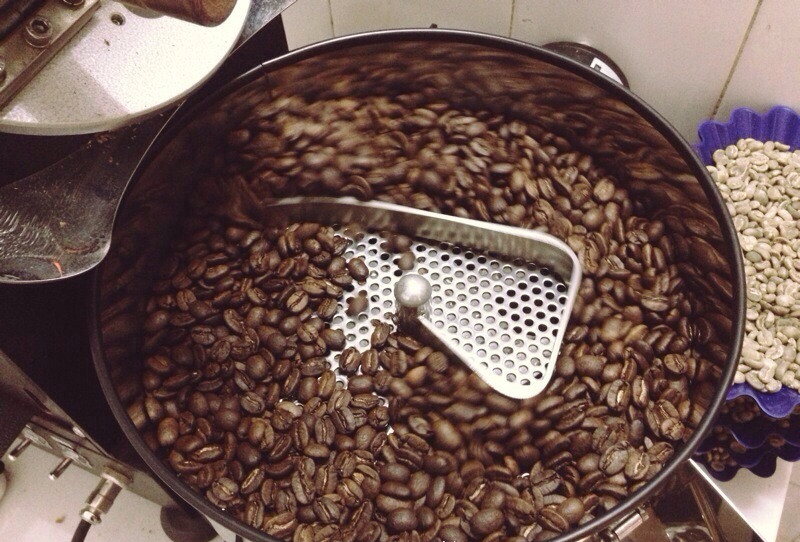
Basic chemical reactions of coffee beans during coffee roasting
Many thermal and chemical reactions take place during baking: decarbonation, dehydration of quinic acid, subdivision, isomerization, polymerization, and complex sugar reactions (caramelization). The main components of the thermal reaction are monosaccharides and sucrose, chlorogenic acid, free amino acids, and fenugreek amide. Both aravinose and calactose in the polysaccharides are transferred, and the basic vulcanization process includes hydroxylamine.
2015-03-16 Coffee roasting process coffee beans raw basic chemical reaction