“muslim” search results (573)

Coffee Story imported Coffee individual Coffee American African Asian Coffee beans
Coffee (Coffee) (the word comes from the Greek Kaweh, meaning strength and enthusiasm. Coffee tree is an evergreen shrub of Capsicaceae. Coffee for daily consumption is made from coffee beans combined with various cooking utensils, and coffee beans refer to the nuts in the fruit of coffee trees, which are then roasted by appropriate roasting methods. In ancient China, Shennong tasted all kinds of herbs.
2016-04-20 Coffee stories imports individual products America Africa Asia coffee beans
The spread and Development of Coffee History
The spread and development of coffee European historians argue that there were artificially grown coffee trees for trade in Yemen in the southern Arabian Peninsula as early as 800 years ago, and there is also historical evidence that at that time, there was indeed trade across the Red Sea between Yemen and Ethiopia. Based on this, it is speculated that if the use of coffee is made by Ethiopians
2014-09-22 Coffee Culture Coffee History Coffee Communication Coffee Development
The 25 common sense that coffee control needs to know. Are you a coffee fan?
Are you a coffee addict? Do you know anything about coffee? 1. According to legend, coffee was discovered by an Ethiopian shepherd named Khaldi in the 9th century. While herding sheep, Khaldi found that sleepy sheep were very excited after eating the red fruit of an evergreen tree. Khaldi brought the fruit to a Muslim cleric who put the coffee on the tree.
2015-10-20 Coffee I know 25 common sense are you control?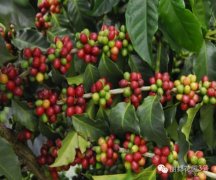
The Coffee-#8226; story comes from the Greek word "Kaweh", which means "strength and passion".
Coffee (Coffee) (the word comes from the Greek Kaweh, meaning strength and enthusiasm. Coffee tree is an evergreen shrub of Capsaceae. Daily coffee is made from coffee beans combined with a variety of cooking utensils, and coffee beans refer to the nuts in the fruit of coffee trees, which are then roasted with appropriate roasting methods. In ancient China, Shennong tasted all kinds of herbs and recorded them one by one.
2015-10-22 Coffee amp #8226 story derived from Greek Kaweh meaning
Coffee Culture-- the Origin of Coffee
Drinking coffee is very popular in Europe and the United States. Coffee consumption is also becoming more and more popular in China and other eastern countries. Potential
2014-06-12 Coffee culture coffee origin coffee history
Coffee grinder scale of Indonesian coffee
Holding a large cup of Sumatran coffee, a wonderful warmth and mellow smooth feeling arises spontaneously. To me, this feeling is different from any other coffee. After drinking this wonderful brew of coffee for the first time, I feel comfortable and refreshing. In this wonderful experience, I slowly relaxed, completely immersed in this moment, my thoughts drifted far away, and then a drop of coffee spilled unwittingly.
2016-06-13 Indonesia coffee type bean grinder scale
Latte the classic mixture of espresso and milk Italian latte caramel latte
Latte is the transliteration of Italian Latte. Latte (CoffeeLatte) is a kind of fancy coffee. Latte is a classic blend of Italian espresso and milk. Italians also like lattes as breakfast drinks. In the Italian kitchen in the morning, coffee and milk are usually brewed on the sunlit stove. The Italian who drinks lattes, not so much him.
2016-04-05 Latte Italian concentrated Coffee Milk Classic blend Caramel
The diet of Indonesia
There are many kinds of food in Indonesia, especially snacks from all over Indonesia. Generally speaking, in Indonesian food, the staple food is mainly rice, flour and so on, and the whole staple food structure is similar to that of the south of China. However, dishes are very different. Central Java Indonesian food like spices, like barbecue, like sweet and spicy, staple food is rice. In Indonesia
2014-08-12 Coffee beans from Indonesia India
Latte-classic blend of espresso and milk
Latte is the transliteration of Italian Latte. Latte (CoffeeLatte) is a kind of fancy coffee. Latte is a classic blend of Italian espresso and milk. Italians also like lattes as breakfast drinks. In the Italian kitchen in the morning, coffee and milk are usually brewed on the sunlit stove. The Italian who drinks lattes, not so much him.
2014-07-22 Espresso latte espresso
Italian latte A classic blend of espresso and milk.
Latte is the transliteration of Italian Latte. Latte (CoffeeLatte) is a kind of fancy coffee. Latte is a classic blend of Italian espresso and milk. Italians also like lattes as breakfast drinks. In the Italian kitchen in the morning, coffee and milk are usually brewed on the sunlit stove. The Italian who drinks lattes, not so much him.
2014-09-18 Italian latte espresso milk
Fancy coffee latte A classic blend of espresso and milk
Latte is the transliteration of Italian Latte. Latte (CoffeeLatte) is a kind of fancy coffee. Latte is a classic blend of Italian espresso and milk. Italians also like lattes as breakfast drinks. In the Italian kitchen in the morning, coffee and milk are usually brewed on the sunlit stove. The Italian who drinks lattes, not so much him.
2015-04-17 Fancy coffee latte Italian concentrated milk classic mixed
Detailed flavor of Indonesian Java coffee taste manor characteristics of boutique coffee beans
The main Indonesian newspapers are Compass, Professional Voice, Indonesian Media, Republic Daily, Voice of Innovation and Indonesian Business Daily; English newspapers include Jakarta Post, Indonesia Observer, etc. Chinese newspapers used to have only the Indonesian Daily sponsored by the government, while the Chinese Post (Chinese and Indonesia) has been newly established in the past two years.
2016-08-15 Meticulous flavor Indonesia Java coffee taste manor producing area characteristics boutique
5 minutes to quickly learn about coffee common sense coffee basic knowledge
A few pieces of coffee common sense: 1. In western countries, the consumption of coffee is equivalent to that of tap water. Coffee is the most circulating commodity in the world after oil. The annual output of coffee in the world exceeds 70 million tons. Coffee is produced in more than 70 countries in the world, most of which are located near the equator, mainly in Latin America, Southeast Asia and Africa. Every year
2015-04-08 5 minutes fast understanding coffee common sense basics
History of Coffee Culture the spread and Development of Coffee
European historians argue that as early as 800 years ago, there were artificial coffee trees for trade in Yemen in the southern Arabian Peninsula, and there was historical evidence that at that time, there was indeed trade across the Red Sea between Yemen and Ethiopia. Based on this, it is speculated that if the use of coffee was discovered by Ethiopians, then coffee
2014-11-05 Coffee culture coffee communication coffee development
5 minutes to quickly understand the common sense of coffee.
A few pieces of coffee common sense: 1. In western countries, the consumption of coffee is equivalent to that of tap water. Coffee is the most circulating commodity in the world after oil. The annual output of coffee in the world exceeds 70 million tons. Coffee is produced in more than 70 countries in the world, most of which are located near the equator, mainly in Latin America, Southeast Asia and Africa. Every year
2015-10-10 5 minutes fast understand coffee common sense
The history of coffee culture explains the origin and development of coffee in detail.
The origin of coffee the world's first coffee tree was found in the Horn of Africa. Local indigenous tribes often grind the fruit of coffee and knead it with animal fat to make many ball-shaped balls. These indigenous tribes use these coffee balls as precious food for soldiers who are about to go out to battle. At that time, people did not understand the performance of coffee eaters.
2014-11-06 Coffee culture coffee origin coffee development
Basic knowledge of boutique coffee
Coffee (scientific name: Coffea arabica), also known as coffee tree, Arabica coffee, etc., is the national flower of Yemen. Before the 6th century in the park, Yemen was called Arab, so the coffee trees transported from them to other places were also called Arabian coffee trees. The name coffee comes from the Arabic Qahwah, which means plant drink. Later, the coffee spread all over the world, and it was picked.
2015-02-09 Boutique coffee basics common sense about knowledge scientific name Coffea
Coffee knowledge Fine Coffee basic knowledge
Coffee (scientific name: Coffea arabica), also known as coffee tree, Arabica coffee, etc., is the national flower of Yemen. Before the 6th century in the park, Yemen was called Arab, so the coffee trees transported from them to other places were also called Arabian coffee trees. The name coffee comes from the Arabic Qahwah, which means plant drink. Later, the coffee spread all over the world, and it was picked.
2015-03-09 Coffee knowledge boutique basics common sense
Basic knowledge of boutique coffee
Coffee (scientific name: Coffea arabica), also known as coffee tree, Arabica coffee, etc., is the national flower of Yemen. Before the 6th century in the park, Yemen was called Arab, so the coffee trees transported from them to other places were also called Arabian coffee trees. The name coffee comes from the Arabic Qahwah, which means plant drink. Later, the coffee spread all over the world, and it was picked.
2014-12-01 Boutique Coffee Basics Common sense detailed explanation knowledge Scientific name Coffea
Coffee knowledge is an evergreen shrub of Rubiaceae.
Coffee (scientific name: Coffea arabica), also known as coffee tree, Arabica coffee, etc., is the national flower of Yemen. Before the 6th century in the park, Yemen was called Arab, so the coffee trees transported from them to other places were also called Arabian coffee trees. The name coffee comes from the Arabic Qahwah, which means plant drink. Later, the coffee spread all over the world, and it was picked.
2015-04-27 Coffee knowledge grasses evergreen shrubs