“monitoring” search results (1416)

Geographical Characteristics of Puerto Rico Coffee Growing Environment and Elevation
The Spanish-American War of 1889 ended in American victory, ending more than 400 years of Spanish rule over Puerto Rico. Demand for sugar increased dramatically in the United States, hurricanes destroyed most coffee plantations, and natural and man-made disasters hit Puerto Rico's coffee industry hard. Puerto Rico's national economy developed rapidly in the 20th century, with strong government support and indigenous
2016-06-18 Puerto Rico Coffee Growth Environment Elevation Region Characteristics 1889 Year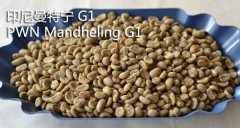
Manning
Mandenin is not the name of the producing area, the place name, the port name, nor the name of the coffee breed. The origin of its name is actually a phonetic error of the Mandaining mandheling people in Indonesia.
2014-06-20 Coffee knowledge Manning coffee tasting
Introduction of Puerto Rican Coffee with Regional characteristics at High altitude Grand Larez Yaoke Coffee
The national economy of Puerto Rico developed rapidly in the 20th century. Stimulated by the strong support of the government and the expanding demand of the local market, Polish coffee gradually returned to its former elegant demeanor. The Yauco region is internationally renowned for its full Body, creamy and red wine aftertaste and chocolate nut finish. Regional characteristics at higher elevations, slower maturity, surpassing
2016-06-22 High altitude altitude region Sex Puerto Rico Coffee introduction Darla Les
Chateau San Pedro, a coffee-growing area in south-central Puerto Rico.
The national economy of Puerto Rico developed rapidly in the 20th century. Stimulated by the strong support of the government and the expanding demand of the local market, Polish coffee gradually returned to its former elegant demeanor. The Yauco region is internationally renowned for its full Body, creamy and red wine aftertaste and chocolate nut finish. Regional characteristics at higher elevations, slower maturity, surpassing
2016-07-06 Puerto Rico south-central coffee producing areas manors San Pei Delo 20th century Bo
San Pedro Manor Larez Yaoke Coffee Manor, Puerto Rico
Yauco Selecto, Selecto means to choose. Grand Lares Yauco is produced in the southwest of the island, while Lars coffee is produced in the south-central part of the island. Yaocote, a gourmet coffee from Puerto Rico, is grown only on three farms in the southwest of the island. It has a strong flavor and a long aftertaste. This kind of coffee sells at a high price
2016-06-29 Puerto Rico Les Yoko Coffee Manor San Pei Delo Special selection Yauc
Introduction to San Pedro Manor in Puerto Rico Coffee Manor
The national economy of Puerto Rico developed rapidly in the 20th century. Stimulated by the strong support of the government and the expanding demand of the local market, Polish coffee gradually returned to its former elegant demeanor. The Yauco region is internationally renowned for its full Body, creamy and red wine aftertaste and chocolate nut finish. Regional characteristics at higher elevations, slower maturity, surpassing
2016-07-13 Puerto Rico Coffee Manor producing area Flavor Taste introduction San Pei Delo 2
Puerto Rico Coffee Manor introduces Larez Yaoke Coffee San Pedro Manor
Yaocote's coffee, grown on three farms in the southwest of the island, is fragrant and has a long aftertaste. This kind of coffee is very expensive and its flavor is comparable to that of any other coffee variety in the world. In the Yaoke area, the coffee is owned and operated by the local planter. The mountain climate here is mild, the plants have a long ripening period (from October to February), and the soil quality is excellent.
2016-07-04 Puerto Rico Coffee Manor producing area introduction Les Yaoke San Pei Delo Yao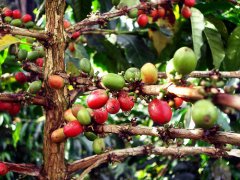
Low acidity, moderately roasted coffee beans from the World Coffee Center in Brazil
Brazil, a low-acidity, moderately roasted coffee bean from the World Coffee Center, is vividly compared to the giant and monarch of the coffee world. There are about 3.97 billion coffee trees there, and small farmers now grow 75% of the country's coffee. The number of coffee producers in Brazil is twice or even three times that of Colombia, the second largest coffee producer in the world.
2016-05-17 Brazil from world coffee center acidity medium roasted coffee beans
The thief in the rampant coffee shop was exposed because of his disguise.
In Taiwan, a man surnamed Li twice stole other customers' smart phones from coffee shops in the same costume. A few days ago, he showed up wearing the same clothes and was recognized and arrested by the police. The police found a number of coffee shop membership cards on him, suspected that he was specializing in stealing customers' property in coffee shops, and was expanding the inventory. A coffee shop chain on Heping East Road in Taipei last September and this year
2014-04-27 Rampant coffee shop thief appearance revealing Taiwan Li surname man twice the same
Puerto Rico, the coffee producer that grows this old variety of Arabica coffee beans
Grow some old varieties of Arabica coffee beans, although the yield is lower than other varieties, but generally of high quality. People here have been using an ecological and intensive planting method, using only some low-toxic fertilizers and chemicals, and taking mixed crop planting measures to make the soil more fertile. When it's time to pick coffee beans, people go back and forth among the coffee trees
2016-06-17 Growing this old growing Arabian coffee beans coffee producing country Puerto Rico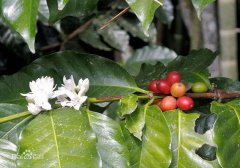
Low acidity, moderately roasted coffee beans from the World Coffee Center in Brazil
Brazil, a low-acidity, moderately roasted coffee bean from the World Coffee Center, is vividly compared to the giant and monarch of the coffee world. There are about 3.97 billion coffee trees there, and small farmers now grow 75% of the country's coffee. The number of coffee producers in Brazil is twice or even three times that of Colombia, the second largest coffee producer in the world.
2016-05-18 Brazil from world coffee center acidity medium roasted coffee beans
Introduction to the varieties of Colombian coffee beans
In the early 1960s, coffee production was about 600kg per hectare. Now it has risen to about 900kg, and some farms can reach 2500 kg. However, quality assurance is a top priority for the coffee industry. Colombia established the National Coffee Management Association (Federacion Nacional de Cafeteros, or FNC) in 1927, which is responsible for quality supervision. Although the association is a private company
2016-06-05 Columbia coffee beans species introduction
Coffee producing area 53 coffee producing areas in the world, Brazilian coffee producing area
Brazil's low-acidity, moderately roasted coffee beans from the World Coffee Center Brazil is vividly likened to the giant and monarch of the coffee world. There are about 3.97 billion coffee trees there, and small farmers now grow 75% of the country's coffee. Brazil produces twice or even three times as many coffee as Colombia, which is the second largest coffee producer in the world.
2016-03-23 Coffee origin global 53 Brazil from world coffee center
12 factors affecting Espresso
The production of Espresso is an art that requires precision and patience. Maybe it's because there are so many factors that affect the production of Espresso that we can have a lot of fun when we use our brains and emotional hearts to control its complexity. The following 12 factors and problems will directly affect the perfection of Espresso!
2014-05-16 Coffee knowledge Espresso Coffee
Coffee fundamentals specifications of coffee machines
Manual coffee machines: refers to the old-fashioned ones with manual joysticks. Technically, they are very old, but they allow you to experience the wonderful feeling of pressing coffee by hand. This kind of coffee machine uses pistons and springs to generate pressure. Although the machine manufacturing process is very traditional, many people have a soft spot for this old-fashioned machine. If you only have natural gas as the energy source of the coffee machine, then hand
2014-11-07 Coffee knowledge coffee basics coffee machine specifications
Puerto Rico boutique coffee beans Larez Yaoke Coffee Flavor Manor
Yaoke Yauco is an area of 176.5 square kilometers in southern Poland, named for its production of Tainos, but local residents prefer to call themselves la Ciudad del Caf (Coffee City) and la Capital Tana (Tainos Center). In the 1860s, immigrants from Corsican improved the cultivation of coffee and pioneered the application of flower stickers to the removal of coffee.
2016-07-25 Puerto Rico boutique coffee beans Les Yaoke coffee flavor taste manor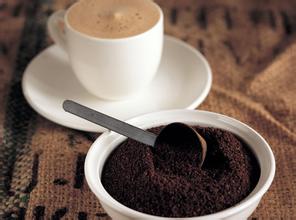
Production and processing of coffee beans
The geographical environment of Ethiopia is very suitable for coffee growth. Mocha coffee is mainly grown in the southern highlands between 1100 and 2300 meters above sea level. The main coffee producing areas are Harar, Limu, Djimma, Sidamo, Kaffa, Yergacheffe and Wellega.
2016-06-01 Coffee beans production processing Ethiopia geographical environment very suitable coffee
Puerto Rican Coffee San Pedro Manor with complete flavor and no bitterness
Yaocote's coffee, grown on three farms in the southwest of the island, is fragrant and has a long aftertaste. This kind of coffee is very expensive and its flavor is comparable to that of any other coffee variety in the world. In the Yaoke area, the coffee is owned and operated by the local planter. The mountain climate here is mild, the plants have a long ripening period (from October to February), and the soil quality is excellent.
2016-06-30 Flavor complete bitter Puerto Rico Coffee San Pei Delo Manor Yaoke Special
Introduction to Puerto Rico Larez Yaoke Coffee with complete flavor and no bitterness
Yaocote's coffee, grown on three farms in the southwest of the island, is fragrant and has a long aftertaste. This kind of coffee is very expensive and its flavor is comparable to that of any other coffee variety in the world. In the Yaoke area, the coffee is owned and operated by the local planter. The mountain climate here is mild, the plants have a long ripening period (from October to February), and the soil quality is excellent.
2016-06-24 Flavor complete bitter Puerto Rico Les Yaoke Coffee introduction Special
12 factors affecting the perfection of Espresso
The production of Espresso is an art that requires precision and patience. Maybe it's because there are so many factors that affect the production of Espresso that we can have a lot of fun when we use our brains and emotional hearts to control its complexity.
2014-06-10 Coffee knowledge coffee tutorials coffee encyclopedia