“molecular” search results (321)

Guidelines for brewing golden cups of coffee
What is the best? what is the appropriate ratio of sour to bitter taste? all these need to be adjusted according to individual tastes. If you cook them for others, you should choose beans according to the preferences of coffee drinkers, change the hot water temperature, extract time and grinding degree, and find the best value. The taste of coffee roasted from light to medium is sour and sweet with low molecular weight and medium molecular weight.
2016-06-30 Coffee brewing golden cup rule
Coffee brewing golden cup standard coffee how to brew coffee the golden proportion of coffee brewing
According to the research of Dr. Lockhart and Ringo, a senior consultant of SCAA (American Fine Coffee Association), as far as coffee extraction is concerned, the dissolution rates of flavor molecules and hot water often vary according to molecular weight and polarity. Coincidentally, the low molecular weight sour aroma of flowers and fruits, as well as the taste of nuts and toast, as well as the cereal and rice and wheat flavors produced in the early stage of the Mena reaction will be excellent.
2016-07-20 Coffee brewing gold cup rule how gold proportion
SCAA Coffee Flavor Wheel learns the sour, sweet, bitter and salty of coffee
What is the best overall taste, and what is the appropriate ratio of sour to bitter taste? these all need to be adjusted according to individual tastes. If they are cooked for others, beans should be selected according to the preferences of coffee drinkers. Change the hot water temperature, extraction time and grinding degree, to find the best value. The taste of coffee roasted from light to medium is low molecular weight and middle molecular weight.
2016-06-30 SCAA Coffee Flavor Learning overall Taste how is best sour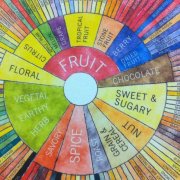
Learning essentials of SCAA Coffee Flavor Wheel the origin of coffee flavor wheel
Coffee has only four kinds of water-soluble tastes: sour, sweet, bitter and salty, some sour and sweet, only volatile, which need to be identified by smell; some are non-volatile, only water-soluble, and need to be identified by taste buds; and some sweet and sour ingredients are both volatile and water-soluble, so sour and sweet often show the dual senses of smell and taste. As for bitterness and saltiness, there is no volatility.
2015-11-09 SCAA coffee flavor learning essentials origin only four water
Light Roast Coffee Bitter Green Coffee Supplier Cafe Italian Blending
Green beans change color continuously during baking, depending on the amount of brown pigment and the size of the molecule. Brown pigments can be classified according to molecular size. Light baking mostly produces small molecular pigments. As the baking degree deepens, the total amount of pigments increases, and the proportion of large molecular pigments increases. Lightly roasted coffee beans mostly contain yellow
2016-07-11 light roast coffee beans coffee bitterness green beans supplier cafe Italian
The main points of the knowledge of coffee flavor wheel: a detailed analysis of the learning essentials of SCAA coffee flavor wheel
Coffee has only four kinds of water-soluble tastes: sour, sweet, bitter and salty, some sour and sweet, only volatile, which need to be identified by smell; some are non-volatile, only water-soluble, and need to be identified by taste buds; and some sweet and sour ingredients are both volatile and water-soluble, so sour and sweet often show the dual senses of smell and taste. As for bitterness and saltiness, there is no volatility.
2015-12-26 Coffee flavor knowledge essentials SCAA learning detail analysis coffee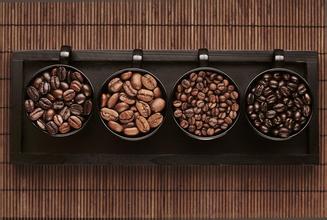
Introduction to the difference between the standard dosage of coffee powder in siphon pot
Roughness is a good way to control bitterness, because the finer the grinding, the higher the extraction rate, the easier it is to extract high molecular weight bitter substances such as chlorogenic acid, quinic acid, caffeine and carbides. On the contrary, if the grinding is too rough, the lower the extraction rate is, the more difficult it is to extract the astringent bitter substance with high molecular weight, but the sweet taste with middle molecular weight may remain in the coffee grounds because of insufficient extraction, which is a waste.
2016-10-20 Siphon coffee powder thickness standard dosage distinction introduction control astringent
Coffee bitter why coffee bitter white sugar creamer coffee sugar
One of the sources of brown bitterness is brown pigment. Brown pigments can be classified according to molecular size, and the larger the molecule, the more bitter it is. In the case of coffee, deep roasting increases brown pigment, followed by larger (more bitter) pigments. When you cook deep-baked beans in daily life, you will find that the bitterness is stronger and the taste is stronger. In fact, Arabica species
2016-06-17 coffee bitter why sugar creamer sweetened come
Detailed analysis of low molecular weight sugars in coffee beans
Moisture: the water content of coffee beans varies greatly with different processing stages and products. The moisture content of wet coffee beans with film is about 50%, while that of dried raw coffee beans is about 10%-13%. The water content of roasted coffee beans is only less than 5%. The existence of water in coffee beans is the same as other kinds of food and beverages, because it contains a considerable amount of hydration colloid macromolecules.
2015-09-16 Coffee beans ingredients details analysis molecular weight sugars moisture coffee beans content
Fresh green coffee beans and roasted coffee beans in vitro and in vivo
Main contents: the anti-hydroxyl radical effects of water-soluble components in fresh green coffee beans and roasted coffee beans of Arabica beans and Roberts beans were determined by deoxyribonucleic acid chemical analysis in vitro and biological cell system (IMR32 cells) in vivo. All the tested coffee solutions have obvious anti-free radical effect. In the process of deoxyribose analysis in vitro, all tested
2015-07-04 Bright green coffee beans baking internal and external main content respectively fixed rabbi card
Where does the bitterness come from? coffee is not bitter, sweet coffee, Italian style, deep-roasted coffee beans, coffee beans, oil.
One of the sources of coffee bitterness is brown pigment. Brown pigments can be classified according to molecular size, and the larger the molecule, the stronger the bitterness. In the case of coffee, deep roasting increases the brown pigment, and so does the pigment with larger molecules (the more bitter). When you boil deeply baked beans in daily life, you will find that the bitter taste is stronger and the taste is more rich. In fact, Arabica
2016-07-01 Bitterness origin what coffee not bitter Italian style blending deep roasting coffee beans oil
Why is coffee bitter? How to make coffee less bitter?
Caffeine is the most well-known bitter ingredient in coffee, but caffeine actually accounts for only 10% of the bitter taste. This can be understood from the fact that the concentration of caffeine in roasted beans is not affected by the degree of baking, and that decaffeinated coffee also has a bitter taste. So where does the remaining 90% of the bitterness come from? One of the sources of coffee bitterness is brown pigment. Brown color
2016-06-12 Coffee why will be bitter how not bitter coffee bitter taste the most the person
The bitterness of coffee. How did coffee bitterness come from?
Caffeine is the most well-known bitter ingredient in coffee, but caffeine actually accounts for only 10% of the bitter taste. This can be understood from the fact that the concentration of caffeine in roasted beans is not affected by the degree of baking, and that decaffeinated coffee also has a bitter taste. So where does the remaining 90% of the bitterness come from? One of the sources of coffee bitterness is brown pigment. Brown color
2016-06-03 Coffee bitterness ingredients how coffee the best known just
The source of the bitterness of coffee? Why is coffee bitter?
Everyone thinks that caffeine is the cause of the bitter taste of coffee, but in fact, caffeine accounts for only 10% of the bitter ingredients. As we said earlier, the concentration of caffeine in roasted beans is not affected by the degree of roasting, and decaf coffee also tastes bitter, so we can be sure that caffeine is not the whole cause of bitterness. So what is the other 90% bitterness?
2015-10-21 Coffee bitter taste source why will be bitter everyone think cause coffee taste
SCAA Golden Cup Coffee extraction training Coffee how to brew the best?
How to brew coffee is the best to drink, and how to make coffee is the best. Today, Brista Coffee West Point training Institute will tell you the correct brewing and brewing requirements of coffee. Baristas who have been in the industry for many years know that the golden ratio of coffee brewing is [1RU 13.6-1:20]. Because this ratio range is the easiest to brew out the good taste of coffee, extract the delicious part of the coffee. This interval at the same time
2015-09-06 SCAA gold cup coffee extraction training how to brew delicious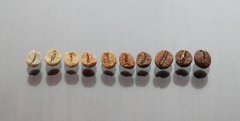
Do not drink unbaked coffee roasting degree
The heat of shallow roasting is mild, because the sour aroma of flowers and fruits is most preserved by fermentation, so it is easy to smell the sour aroma of coffee. If the baking continues, that is, from the end of the first explosion to the middle baking before the second explosion, or even the medium and deep baking from the first explosion to the second explosion, most of the sour aroma of the fermentation catalysis has been broken up, instead of the taste spectrum of the sugar browning reaction (Sugar Browning) and Mena reaction.
2016-06-03 Not suitable for drinking roasting coffee degree light roasting heat mild because fermentation
Coffee roasting degree coffee roaster coffee beans death wish coffee
The term "fine coffee" was first put forward by Ms. Knudsen of the United States in Coffee and Tea magazine. At that time, Ms. Knudsen, as a coffee buyer at B.C. Ireland in San Francisco, was very dissatisfied with the neglect of the quality of raw coffee in the industry, and even some big roasters mixed a large amount of Robesda beans in the comprehensive beans, so she put forward the concept of boutique coffee.
2016-06-16 Coffee roasting degree roaster coffee beans death wish boutique coffee one
Scientists develop caffeine doughnuts to eat exciting without bitterness.
Scientist Bohan Ron developed caffeine doughnuts. Scientist Bohan Ron ate an exciting doughnut with coffee sugar coating in his hand. according to foreign media reports on January 30, a molecular scientist who is also the owner of a coffee shop has developed a way to add caffeine to baked goods that do not have the natural bitterness of coffee itself. Develop this caffeine diet
2015-08-14 Scientists developers caffeine doughnuts eating exciting bitter scientists
The baking degree determines the taste spectrum towards deep roasting, shallow roasting, moderately roasted coffee beans.
Coffee taste spectrum consists of "smell spectrum" and "taste spectrum"; the former directs dry and wet fragrance, while the latter refers to water-soluble taste. The aroma of "odor spectrum" is appreciated by the sense of smell before and after the nose, and the liquefaction taste of "taste spectrum" is captured by the sense of taste. The "smell" and "taste" of coffee often vary with variety, altitude, soil and water, producing area, post-preparation, extraction and roasting degree, but
2016-06-20 Baking determination Taste Spectrum trend depth Light medium Coffee beans Coffee
The correct Grinding method of Coffee Bean
The degree of grinding should be proportional to the extraction time. The roughness of coffee grinding will directly affect the extraction time and extraction rate. The finer the coffee is ground, the denser the powder layer is, the more coffee powder particles are in contact with hot water, the greater the extraction resistance, the easier it is to prolong the extraction time and improve the extraction rate, and it is easy to over-extract. On the contrary, the thicker the coffee is ground, the larger the gap in the powder layer is, and there are fewer.
2015-03-13 Coffee beans correct grinding methods techniques degree extraction time straightening