“moisture content” search results (400)
Terminology for bakers-training for bakers in baking techniques
Balance point when the roaster is fully preheated and the internal temperature of the boiler is about 200 degrees, put the prepared raw beans into the furnace. At this time, the raw bean in the furnace will begin to endothermic reaction, and the internal tissue of the raw bean will begin endothermic reaction, that is, the raw bean begins to absorb heat, absorbing all the temperature in the furnace into its own body, so the temperature in the furnace begins to drop slowly, and when the temperature inside the furnace
2016-06-03 Baking terminology technology training balance point roaster full preheating boiler internal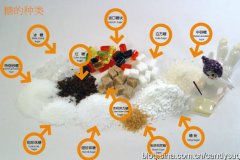
What kind of sugar in coffee? introduction to the kinds of sugar used in coffee.
White granulated sugar, also known as sucrose, is a granular crystal and is the basic raw material for sugar production. According to the size of the crystal, there are three kinds of sugar: coarse sand, medium sand and fine sand, all of which are made from sugar cane or sugar beet. It is characterized by high purity, low moisture and few impurities. The content of domestic granulated sugar is more than 99.45% and the moisture content is less than 0.12%. According to the standard, it is divided into three types: excellent grade, first grade and second grade.
2015-02-27 Coffee what with sugar type introduction granulated sugar called sucrose granulated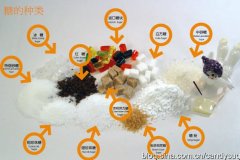
The types of sugar used in coffee introduce the basic raw materials of sugar production
White granulated sugar, also known as sucrose, is a granular crystal and is the basic raw material for sugar production. According to the size of the crystal, there are three kinds of sugar: coarse sand, medium sand and fine sand, all of which are made from sugar cane or sugar beet. It is characterized by high purity, low moisture and few impurities. The content of domestic granulated sugar is more than 99.45% and the moisture content is less than 0.12%. According to the standard, it is divided into three types: excellent grade, first grade and second grade.
2015-11-11 Coffee sugar type introduction white granulated sugar called sucrose granulated crystal
Boutique coffee common sense coffee raw beans the difference between new beans and old beans
After dry and wet processing, coffee fruit becomes coffee raw bean (Raw bean/Green bean). The main components of raw beans are: carbohydrates, about 49%; moisture, about 12%; protein. About 11%; chlorogenic acid, about 7.6% alkaloids and trace elements, about 0.4%. According to the length of time, raw beans can be divided into: seasonal beans (Current Cro)
2014-11-11 Coffee knowledge coffee common sense coffee raw beans new beans old beans
Coffee knowledge introduces the distinction between raw beans, new beans and old beans
After dry and wet processing, coffee fruit becomes coffee raw bean (Raw bean/Green bean). The main components of raw beans are: carbohydrates, about 49%; moisture, about 12%; protein. About 11%; chlorogenic acid, about 7.6% alkaloids and trace elements, about 0.4%. According to the length of time, raw beans can be divided into: seasonal beans (Current Cro)
2014-12-30 Coffee knowledge introduction raw beans new beans old beans distinction coffee fruit pass
Fine Coffee Learn Coffee Green beans are classified into different types according to time
Coffee fruits are processed by wet and dry methods to become coffee beans (Raw beans/Green beans). The main components of raw beans are: carbohydrates, about 49%, moisture, about 12% and protein. About 11%; chlorogenic acid, about 7.6% Alkaloids and trace elements, about 0.4%. According to the length of time, raw beans can be specifically divided into: Current Cro
2014-12-28 boutique coffee green beans time classification different kind fruit passing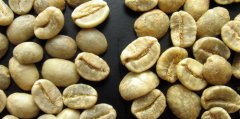
High-quality coffee raw beans: the difference between new beans and old beans
After dry and wet processing, coffee fruit becomes coffee raw bean (Raw bean/Green bean). The main components of raw beans are: carbohydrates, about 49%; moisture, about 12%; protein. About 11%; chlorogenic acid, about 7.6% alkaloids and trace elements, about 0.4%. According to the length of time, raw beans can be divided into: seasonal beans (Current Cro)
2015-06-01 Boutique coffee raw beans new beans old beans fruit pass dry and wet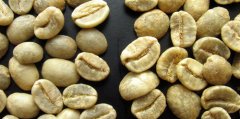
Coffee raw beans: the main components of raw beans between new beans and old beans
After dry and wet processing, coffee fruit becomes coffee raw bean (Raw bean/Green bean). The main components of raw beans are: carbohydrates, about 49%; moisture, about 12%; protein. About 11%; chlorogenic acid, about 7.6% alkaloids and trace elements, about 0.4%. According to the length of time, raw beans can be divided into: seasonal beans (Current Cro)
2015-09-15 Coffee raw beans new beans old beans mainly coffee fruit after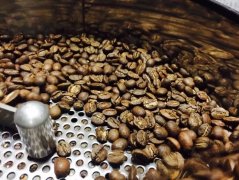
Detailed analysis of mineral carbohydrates in coffee beans
Moisture: the water content of coffee beans varies greatly with different processing stages and products. The moisture content of wet coffee beans with film is about 50%, while that of dried raw coffee beans is about 10%-13%. The water content of roasted coffee beans is only less than 5%. The existence of water in coffee beans is the same as other kinds of food and beverages, because it contains a considerable amount of hydration colloid macromolecules.
2015-10-23 Coffee beans ingredients details analysis minerals carbohydrates moisture coffee beans
Detailed analysis of low molecular weight sugars in coffee beans
Moisture: the water content of coffee beans varies greatly with different processing stages and products. The moisture content of wet coffee beans with film is about 50%, while that of dried raw coffee beans is about 10%-13%. The water content of roasted coffee beans is only less than 5%. The existence of water in coffee beans is the same as other kinds of food and beverages, because it contains a considerable amount of hydration colloid macromolecules.
2015-09-16 Coffee beans ingredients details analysis molecular weight sugars moisture coffee beans content
Detailed Analysis of Coffee Bean ingredients basic knowledge of Fine Coffee
Moisture: the water content of coffee beans varies greatly with different processing stages and products. The moisture content of wet coffee beans with film is about 50%, while that of dried raw coffee beans is about 10%-13%. The water content of roasted coffee beans is only less than 5%. The existence of water in coffee beans is the same as other kinds of food and beverages, because it contains a considerable amount of hydration colloid macromolecules.
2015-07-24 Coffee beans ingredients details analysis boutique coffee basics common sense moisture
Detailed analysis of the ingredients of coffee beans general knowledge of fine coffee
Moisture: the water content of coffee beans varies greatly with different processing stages and products. The moisture content of wet coffee beans with film is about 50%, while that of dried raw coffee beans is about 10%-13%. The water content of roasted coffee beans is only less than 5%. The existence of water in coffee beans is the same as other kinds of food and beverages, because it contains a considerable amount of hydration colloid macromolecules.
2015-02-25 Coffee beans ingredients details analysis boutique coffee common sense moisture coffee beans containing
Coffee raw beans: the difference between new beans and old beans
Coffee training knowledge: coffee raw beans: new beans and old beans. After dry and wet processing, coffee fruit becomes coffee raw bean (Raw bean/Green bean).
2014-05-16 Coffee knowledge coffee beans coffee raw beans
Coffee healthy living 7:00AM drink the same amount of water after drinking coffee
Drinking a cup of coffee in the morning, in addition to refreshing, but also helps to relieve edema. As everyone knows, at the same time, it will also make the body lose too much water and make the skin dry. From now on, replenish the same amount of water as coffee after drinking coffee: such as drinking 150ml coffee and drinking 150ml warm water (warm water is most easily absorbed by the body) to restore the moisture content of the skin. 7:30AM long-term protection + water nourishment
2014-11-03 Coffee knowledge coffee health coffee life
Detailed analysis of carbohydrates in coffee beans
★ moisture: the water content of coffee beans varies greatly with different processing stages and products. The moisture content of wet coffee beans with film is about 50%, while that of dried raw coffee beans is about 10%-13%, and that of roasted coffee beans is only less than 5%. The existence of water in coffee beans is the same as other kinds of food and beverages, because it contains a considerable amount of hydration colloid macromolecules.
2015-08-25 Coffee beans ingredients details analysis carbohydrates moisture coffee beans content no
Introduction to the types of sugar for coffee what kind of sugar is good for coffee with granulated sugar? What sugar makes coffee good?
White granulated sugar, also known as sucrose, is a granular crystal and is the basic raw material for sugar production. According to the size of the crystal, there are three kinds of sugar: coarse sand, medium sand and fine sand, all of which are made from sugar cane or sugar beet. It is characterized by high purity, low moisture and few impurities. The content of domestic granulated sugar is more than 99.45% and the moisture content is less than 0.12%. According to the standard, it is divided into three types: excellent grade, first grade and second grade.
2016-03-17 Coffee sugar variety introduction white sugar what delicious sugar order white sand
Detailed Analysis of the components of Fine Coffee
★ moisture: the water content of coffee beans varies greatly with different processing stages and products. The moisture content of wet coffee beans with film is about 50%, while that of dried raw coffee beans is about 10%-13%, and that of roasted coffee beans is only less than 5%. The existence of water in coffee beans is the same as other kinds of food and beverages, because it contains a considerable amount of hydration colloid macromolecules.
2014-12-24 Boutique coffee common sense coffee beans ingredients details analysis moisture containing
Detailed analysis of the ingredients of coffee beans what are the ingredients in a coffee bean?
★ moisture: the water content of coffee beans varies greatly with different processing stages and products. The moisture content of wet coffee beans with film is about 50%, while that of dried raw coffee beans is about 10%-13%, and that of roasted coffee beans is only less than 5%. The existence of water in coffee beans is the same as other kinds of food and beverages, because it contains a considerable amount of hydration colloid macromolecules.
2015-10-09 Coffee beans ingredients details analysis one what moisture coffee beans content no
What will Kenya and Manning taste like after matching according to a certain proportion?
The middle part is slightly sour, the latter part is characterized by the flavor of nuts and chocolate, and the blend is Brazil. I use the cooked bean matching method, which means that a single bean seed is baked first and then blended. During the baking process (the temperature displayed varies according to the design position of the baking furnace and probe) all Kenyan products enter the first explosion temperature of about 192 degrees Celsius, entering two.
2016-06-18 Kenya Mante according to set proportion carry out match Taoist meeting how in the middle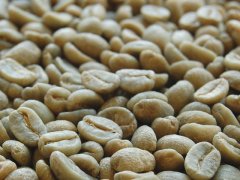
Know Coffee Raw beans
Fresh coffee, raw beans, full of vitality. Semi-fresh raw beans, with a little bit of stability in the vitality.
2014-05-28 Coffee knowledge coffee beans coffee raw beans