“malaba” search results (293)

The Historical Origin and spread of Coffee American Coffee & #160; Coffee beans
Coffee into Asia the Arabs failed to spread coffee in Asia, but the Dutch did! In the process of colonization, they grew coffee in Malaba, India, and brought it to Batavia in what is now Java, Indonesia, in 1699. The Dutch colonies once became the main supplier of coffee in Europe. At present, Indonesia is the fourth largest coffee export in the world.
2016-06-13 Coffee History Origin spread situation American amp #160 Coffee beans
Citrus flavor Sweet Rwanda coffee Grind treatment Taste Variety characteristics Fine coffee Introduction
Rwandan coffee, in its washed arabica bean form, is of absolute quality. As far as Africa is concerned, its coffee industry stands out because the country thrives mainly on producing the best possible coffee beans. Rwandan coffee is gaining increasing popularity on the international market. The mission of the Rwandan Coffee Association is to manage and supervise the Rwandan coffee industry from production to marketing.
2016-10-07 Citrus Aromatic Rwanda Coffee Ground Processing Taste Variety Characteristics Fine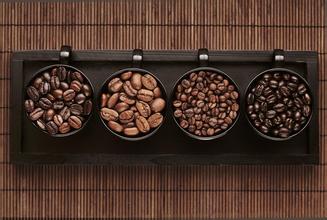
The history of coffee, the spread of coffee, the source of coffee, the type of coffee.
Coffee into Asia the Arabs failed to spread coffee in Asia, but the Dutch did! In the process of colonization, they grew coffee in Malaba, India, and brought it to Batavia in what is now Java, Indonesia, in 1699. The Dutch colonies once became the main supplier of coffee in Europe. At present, Indonesia is the fourth largest coffee export in the world.
2016-05-26 Coffee history dissemination situation source type
How many coffee plantations are there in Rwanda?
The first problem that Malaba coffee farmers solved was to set up a washing station. Coffee cherries must be transported to a washing station within twelve hours of picking to remove the sugar coating under the outer skin of the coffee beans, otherwise the flavor of the coffee will be greatly damaged. In July 2001, the Rwandan government, through UNR, the Office des Cultures Industrielles du Rwanda (OCIR-Caf), ACD,
2016-09-19 Rwanda how much coffee estate region of origin culture origin presentation horse
Introduction to the flavor-rich coffee treatment method of Coffee Manor in Rwanda
The taste of Rwandan coffee is described as a grassy aroma with tropical climates. in addition to the sweetness of fruit, this coffee also gives people a feeling of freshness, clarity, and freshness. Bourbon coffee grown in Rwanda is amazing for its sweet fruit, full-bodied, unrestrained and lingering aftertaste. This kind of coffee is delicious
2016-10-12 Fragrance full-bodied Luwang Daqi Mayer Manor Coffee processing characteristics varieties
Introduction to the characteristics of Rwanda Coffee Flavor and Flavor Manor
The biggest harvest season for Rwandan coffee is during the main rainy season, from March to the end of May. During the harvest season, farmers spend most of their day picking coffee fruits by hand. In the afternoon, farmers carry coffee fruits in traditional baskets made of banana leaves to a cleaning station a few hours away. The mechanic uses his hands to make the best quality coffee with crimson color.
2016-08-04 Rwanda coffee flavor taste manor producing area characteristics introduction boutique
Geography and climate of coffee bean production process in Rwanda
Production process editors Coffee fruits the maximum harvest season for Rwandan coffee is during the main rainy season in the area, from March to the end of May. During the harvest season, farmers spend most of their day picking coffee fruits by hand. In the afternoon, farmers carry coffee fruits in traditional baskets made of banana leaves to a cleaning station a few hours away. The mechanic will do it by hand.
2016-05-31 Rwanda coffee beans production process geography climate editing coffee
Introduction to the characteristics of Indonesian Java Coffee Flavor and Flavor Manor
The history of Java coffee (java Java Coffee) the Dutch first introduced coffee to Central and South America in the 1820s. Coffee spread from the Dutch colonies to French Guiana and Brazil. In the process of colonization, the Dutch grew coffee in Malaba, India, and brought it to Bada in what is now Java, Indonesia, in 1699.
2016-08-05 Indonesia Java coffee flavor taste manor producing area characteristics introduction boutique
Introduction to the characteristics of Flavor Manor of High-quality Coffee beans in Rwanda
In 2000, the Mayor of Malaba requested development assistance from the National University of Rwanda (UNR), which is located near the city of Butare, and the following year, the National University of Rwanda assisted in the establishment of the Joint strengthening Rwanda Agricultural Partnership (PEARL). PEARL is also supported by several organizations: the United States Agency for International Development (USAID), Michigan State University, Texas A & M University, and
2016-09-24 Rwanda coffee variety boutique coffee beans flavor manor characteristics producing areas introduction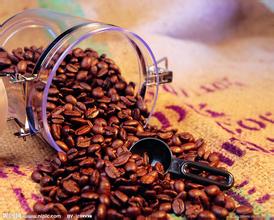
The processing method and Flavor description of Rwandan Coffee introduction to Fine Coffee in producing area
Rwanda's economy is dominated by agriculture. The population engaged in agriculture and animal husbandry accounts for 92% of the country's population. The main cash crops are coffee, tea and cotton. Because it is an agricultural and animal husbandry country, coupled with the loss of many young workers caused by the genocide in 1994, it is a huge blow to a country that is not already rich, and Rwanda is still a backward country. Luwang after the Civil War
2016-09-20 Rwanda coffee processing way flavor description producing area characteristics boutique introduction
History of Rwandan Coffee A brief introduction to the Origin of Rwandan Coffee
The taste of Rwandan coffee is extremely special. Rwandans have been growing coffee since colonial times, but until 1999, its products were still classified as below Class C and were not popular in the global market. The reason for the poor quality is that farmers do not have a fixed procedure for washing coffee beans and do not process coffee fruits according to specifications in time. Buyers buy coffee beans at $0.33 per kilogram, and farmers rely on low prices.
2016-05-25 Rwanda coffee history origin profile taste extreme special
Full grain Rwandan coffee flavor Introduction Western Province Lutexiluo region Introduction
Rwandan coffee characteristics: Rwandan coffee taste is described as grassy aroma, with tropical climate characteristics, this coffee presents a sweet fruit, it can also give people a fresh, clear and fresh feeling. Bourbon coffee grown in Rwanda is marvellous for its fruity sweetness, its rich aroma, without any convergence, and its aftertaste
2016-07-13 Granule Full Rwanda Coffee Flavor Taste Presentation Western Province Special Creek Produce
Introduction to the flavor and taste of the coffee producing area of Rwanda Coffee Manor the characteristics of Rwandan coffee in Kimmel Manor
The sink technician in the process will clean the coffee immediately because the delay will ferment the sugary outer layer of the coffee beans, ruining the taste of the coffee. The coffee beans are first thrown into a deep trough, and the best quality coffee fruit goes into the bottom and passes through a machine that peels off its skin. The mechanic takes out the floating coffee fruit, processes it in the same way and allows the cooperative to compare it in the domestic market.
2016-08-03 Rwanda Coffee Manor producing area Flavor palate introduction Mayer characteristics processing
Fruit-flavored Rwandan coffee taste introduction to fine coffee beans in Manor
The watershed between the Congo basin and the Nile basin runs through Rwanda from north to south, with about 80 per cent of the country draining from the Nile and about 20 per cent from the Ruzi River and Lake Tanganyika. The longest river in the country is the Niabalongo River (Nyabarongo River) in the southwest, which turns north, east and southeast and flows into the Luwuwu River to form the Kagaila River.
2016-08-20 Fruit Rwanda coffee flavor taste manor boutique coffee beans introduction just
Cross-strait coffee gives you 5 minutes to understand the origin of coffee.
There are all kinds of legends about the origin of coffee, but most of them are forgotten because of its absurdity. People will not forget that Africa is the hometown of coffee. Coffee trees are likely to be found in Ethiopia's KAFFA province. Later, batches of slaves were sold from Africa to Yemen and the Arabian Peninsula, and coffee was taken everywhere along the way. That's for sure.
2014-10-17 Coffee knowledge coffee origin coffee history
Comparison of regional characteristics of coffee beans in coffee producing areas / coffee bean producing areas in the world
Coffee has an inexplicably strong attraction to both literati and gluttons. Since you are so curious or passionate, let's take a look at which parts of the world produce coffee. The most complete knowledge of coffee producing areas in the world! Tools / raw materials the world's most important quality coffee producing areas / step 1, Asia 1. Indonesia (Indonesia) well-known representative coffee: claw
2016-05-22 World coffee producing areas coffee beans regions characteristics contrast no matter
What kinds of coffee beans do you have?
There are mainly two kinds of coffee on the market, such as Coffea Arabica and Coffea Robusta. Each of them can be subdivided into more variety branches. Most of the coffee beans in circulation on the market are distinguished by their origin. Here are some of the main producing countries and their famous coffee: Ethiopia: Haramoka, Yirgacheffe (Yemen)
2014-07-31 Coffee beans types exactly which ones noodles coffee main rabbi Coffe
Coffee Bean Brand Coffee Coffee Origin
India: Malabar, Karnataka, Tellichery Yemen: Mocha Sanani, Mattari Indonesia: Java, Mandheling, Ankola, Kopi Luwah Mexico: Coatepec, Huatus
2016-05-29 Coffee beans Brands Coffee varieties Origin India Malaba Rabbah Mala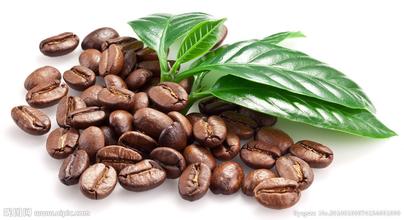
How many kinds of coffee beans are there? what are the African beans?
Kenya: Kenya AA India: Malabar, Karnataka, Tellichery Yemen: Mocha Sanani, Mattari Indonesia: Java, Mandheling, Ankola, civet Coffee Mexico: Coatepec
2016-05-31 Coffee beans there are how many Africa which Kenya India Malaba Rabat
Introduction of major coffee producing areas in the world
Coffee comes from coffee beans, which are harvested and processed from the fruit of trees. Coffee trees grow at the center of the equator, between latitudes of 25 degrees south and north, and are called the homes of tropical or subtropical countries called coffee belts. At present, there are about 60 coffee-producing countries. Coffee is produced in South America, Central America, the West Indies, Asia, Africa, Arabia, the South Pacific and
2014-08-15 Coffee knowledge world coffee producing areas coffee bean producing areas