“main source” search results (3000)
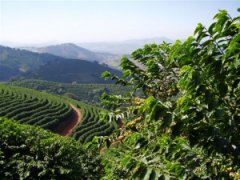
The living conditions of Coffee Manor at the Source of Coffee Industry chain
In the whole coffee industry chain, coffee planting is probably the source. If you want to save costs, coffee giants with profits will contract local coffee estates where they are going to perform. Starbucks, the fastest growing coffee leader in China in recent years, has also signed a supply agreement with Aini Coffee in Yunnan, China, and then there will be Brista Coffee training School to take you into the coffee.
2015-08-31 Coffee industrial chain source manor survival conditions
Basic knowledge of boutique coffee main ingredients of coffee
The fiber of fiber raw beans will be carbonized after baking and combine with caramel to form the hue of coffee. The main source of protein calories, the proportion is not high. Most of the protein in coffee powder will not dissolve out when brewing coffee, so the intake is limited. Sugar: coffee beans contain about 8% sugar. After baking, most of the sugar will be converted into caramel, making the coffee brown.
2015-04-29 Boutique coffee basics common sense main ingredients fiber raw beans baking carbonization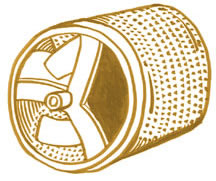
Coffee technical operation: understand the mechanical principle of coffee roaster
Next, we will explain the structure of our coffee roaster and the characteristics of each component. There may be some difficulties for the people who have just come into contact. I hope you can try your best to understand! The construction of the coffee roaster looks very simple. It is true that electrical machine control or gas control is not very difficult to control. However, with regard to the baking of coffee beans, it is necessary to pursue a very difficult mechanical balance and structure.
2015-12-08 Coffee technology operation understanding roaster machinery principle and then everybody say
The principle of coffee roaster is introduced by DISCOVERY.
The construction of the coffee roaster looks very simple. It is true that electrical machine control or gas control is not very difficult to control. However, with regard to the baking of coffee beans, it is necessary to pursue a very difficult mechanical balance and structure.
2014-08-15 Coffee products coffee roaster analytical roaster principle
The source and characteristics of the mocha pot
The source of mocha pot, also known as direct-fire Italian coffee pot or semantic mocha pot, is a kind of traditional Italian coffee utensils. Italian mocha pot (Moka Express) comes from the name, because it is related to mocha coffee (Mocha), originated in 1933 invented by Mr. Alfonso Bialetti in Italy, only because of this coffee utensil invented by Mr. Bialetti.
2015-01-26 Boutique coffee common sense mocha pot source feature also known as straight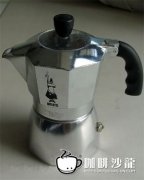
The source of mocha pot and its special coffee utensils
The source of mocha pot, also known as direct-fire Italian coffee pot or semantic mocha pot, is a kind of traditional Italian coffee utensils. Italian mocha pot (Moka Express) comes from the name, because it is related to mocha coffee (Mocha), originated in 1933 invented by Mr. Alfonso Bialetti in Italy, only because of this coffee utensil invented by Mr. Bialetti.
2016-05-26 Mocha pot source specialty coffee utensils mocha pot also known as direct fire style
Common sense of Coffee: the Origin and composition of Coffee
There is no way to examine the source of coffee. One of the many legends refers to the highlands of Cafa province in southwestern Ethiopia. It is said that a shepherd became very excited and lively when he discovered that the sheep had eaten a plant more than a thousand years ago, so he discovered coffee. It is also said that due to a wildfire, a coffee forest was destroyed and the smell of barbecue coffee attracted the attention of the surrounding residents.
2015-04-08 Coffee common sense origin ingredients coffee source no way examination many legends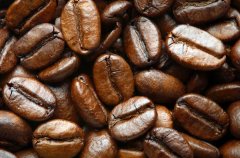
Common sense of Coffee: the Origin and composition of Coffee
There is no way to examine the source of coffee. One of the many legends refers to the highlands of Cafa province in southwestern Ethiopia. It is said that a shepherd became very excited and lively when he discovered that the sheep had eaten a plant more than a thousand years ago, so he discovered coffee. It is also said that due to a wildfire, a coffee forest was destroyed and the smell of barbecue coffee attracted the attention of the surrounding residents.
2015-11-03 Coffee common sense origin ingredients coffee source no way examination many legends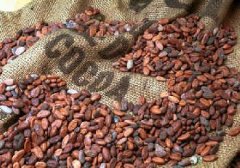
The basic knowledge of Coffee the sources and characteristics of mocha pot
The source of mocha pot, also known as direct-fire Italian coffee pot or semantic mocha pot, is a kind of traditional Italian coffee utensils. Italian mocha pot (Moka Express) comes from the name, because it is related to mocha coffee (Mocha), originated in 1933 invented by Mr. Alfonso Bialetti in Italy, only because of this coffee utensil invented by Mr. Bialetti.
2015-04-14 Coffee basics common sense mocha pot source feature also known as straight
DISCOVERY introduction to the principle of Coffee Roaster
Next, we will explain the structure of our coffee roaster and the characteristics of each component. There may be some difficulties for the people who have just come into contact. I hope you can try your best to understand! The construction of the coffee roaster looks very simple. It is true that electrical machine control or gas control is not very difficult to control. However, with regard to the baking of coffee beans, it is necessary to pursue a very difficult mechanical balance and structure.
2015-04-14 Coffee roaster principle DISCOVERY introduction next everybody
Introduction of roaster roaster is mainly divided into four categories
The roaster is mainly divided into four types: direct fire type, semi-hot air direct fire type, hot air type and electric type. 1. Direct fire is the earliest baking tool, that is, the raw beans are roasted by fire and then transferred to the drum. The built-in motor keeps running the drum and stirring the coffee beans in the drum, trying to make each coffee bean come into contact with the hot iron evenly to achieve the goal of balanced roasting.
2015-04-17 Roaster introduction main divided into 4 types straight
The principle of coffee roaster is introduced by DISCOVERY.
Next, we will explain the structure of our coffee roaster and the characteristics of each component. There may be some difficulties for the people who have just come into contact. I hope you can try your best to understand! The construction of the coffee roaster looks very simple. It is true that electrical machine control or gas control is not very difficult to control. However, with regard to the baking of coffee beans, it is necessary to pursue a very difficult mechanical balance and structure.
2015-10-27 Coffee roaster principle DISCOVERY introduction next everybody
Introduction of roaster Coffee bean roaster is mainly divided into four categories
The roaster is mainly divided into four types: direct fire type, semi-hot air direct fire type, hot air type and electric type. 1. Direct fire is the earliest baking tool, that is, the raw beans are roasted by fire and then transferred to the drum. The built-in motor keeps running the drum and stirring the coffee beans in the drum, trying to make each coffee bean come into contact with the hot iron evenly to achieve the goal of balanced roasting.
2015-02-13 Roaster introduction coffee beans main divided into 4 categories roaster divided into
Espresso creates the legendary espresso.
The production of Italian coffee generally has a special coffee machine, the source of coffee is mainly extracted under pressure, the sample can get the purest essence of coffee, the coffee produced has a strong flavor, bitterness is also stronger than other coffee. Espresso, as its name implies, is produced in Italy and is the crystallization of the labor and wisdom of the Italian people. Italian coffee can be called Italian coffee.
2015-08-07 Espresso make Legend Italian espresso Coffee production Italy
Espresso espresso makes a legend
The production of Italian coffee generally has a special coffee machine, the source of coffee is mainly extracted under pressure, the sample can get the purest essence of coffee, the coffee produced has a strong flavor, bitterness is also stronger than other coffee. Espresso, as its name implies, is produced in Italy and is the crystallization of the labor and wisdom of the Italian people. Italian coffee can be called Italian coffee.
2015-08-20 Espresso Italian espresso coffee make legend production Italy
Coffee flavor tasting: where does the "bitter" and "sour" in coffee come from?
Bitterness: caffeine is the best known bitter ingredient in coffee, but caffeine actually accounts for up to 10% of the bitter taste. This can be understood from the fact that the concentration of caffeine in roasted beans is not affected by the degree of roasting, and that non-caffeine also tastes bitter. So where does the remaining 90% of the bitterness come from? One of the sources of coffee bitterness is brown pigment. Brown pigment
2015-12-14 Coffee flavor taste where does it come from bitterness coffee ingredients people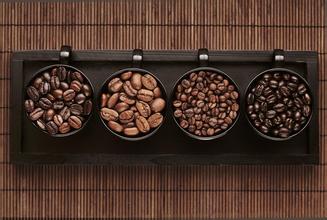
The history of coffee, the spread of coffee, the source of coffee, the type of coffee.
Coffee into Asia the Arabs failed to spread coffee in Asia, but the Dutch did! In the process of colonization, they grew coffee in Malaba, India, and brought it to Batavia in what is now Java, Indonesia, in 1699. The Dutch colonies once became the main supplier of coffee in Europe. At present, Indonesia is the fourth largest coffee export in the world.
2016-05-26 Coffee history dissemination situation source type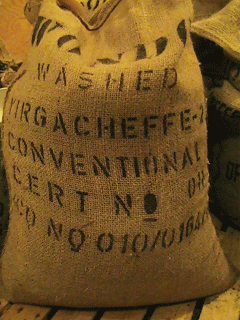
Main points of knowledge about coffee raw beans: introduction to the trade of coffee raw beans and text analysis of sack packaging
Previous blog post: the hometown of coffee once introduced that the main production places of coffee in the world are concentrated in the narrow strip with the equator as the center line and latitudes within 25 degrees from north to south, like a belt around the earth, commonly known as the coffee belt (Coffee Belt). Among the more than 60 producing countries in the coffee belt, except for the local consumption in Brazil, the exports of other countries account for a large proportion of the total output.
2015-12-18 Coffee raw beans knowledge essentials transactions introductions packaging sacks text
Detailed analysis of coffee bean ingredients
Volatile substances: Volatile substances are the main source of coffee flavor and are especially important for coffee quality. There are many kinds of volatile compounds in coffee, and their existence will affect the aroma quality of coffee. The main source is derived from non-volatile substances from raw beans, which are broken off or reacted during roasting. Thermal decomposition, other reactions, or interactions between components, e.g. sugar
2014-11-22 Coffee knowledge Fine coffee science Coffee bean ingredients
A small cup of coffee can also tell whether different countries have different coffee drinking habits.
Drinking coffee can be refreshing, some people love coffee, almost two to three cups a day, so what are the main ingredients of coffee do you know? With such a small cup of coffee, each country drinks coffee in a different way. The fiber of raw beans, the main ingredient of coffee, will be carbonized after baking and combine with caramel to form the hue of coffee. The main source of protein calories
2016-01-04 Small a cup of coffee can also see each country different habit coffee