“longicorn beetles” search results (33)

Characteristics of Katim Coffee Bean Flavor and Taste Variety production area treatment method Manor Baking degree Grinding degree introduction
The annual average temperature is 19-21 ℃ years, the accumulated temperature of 10 ℃ is more than 6800 ℃, the coldest monthly average temperature is 11.5 ℃, the absolute lowest temperature is above 1 ℃, the coldest monthly average temperature is 11.5 ℃, the monthly mean temperature of 13 ℃ is more than two months, the extremely lowest general year is more than 0 ℃, and some years appear-1 ℃ or short-2 ℃. Below 1200m above sea level, annual rainfall 1100mm; soil
2016-10-17 Tim coffee beans flavor taste characteristics variety producing area treatment manor baking
Coffee in the cup depends on climate, pests and plant science.
Photo Source: Baidu Pictures A recent report on the impact of climate change on crop cultivation mentioned that the coffee crisis is already brewing, especially the highly praised Arabica coffee beans. A study published in PLOS One in April mainly simulated coffee cultivation in 21 different climatic conditions up to 2050, covering 60 tropical countries on both sides of the equator.
2015-07-08 Coffee in the cup depending on climate pests plants aspects science pictures sources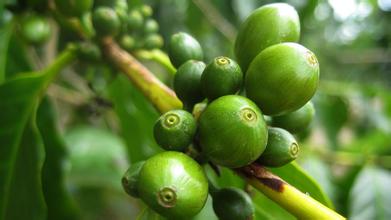
Introduction History of Yunnan Coffee, the Old varieties of Yunnan Coffee
Coffee originated in Ethiopia in north-central Africa. It was introduced into the Arabian Peninsula before the 15th century, introduced into Taiwan in 1884 and introduced into Hainan in 1908.
2016-03-31 Yunnan small grain old species variety coffee introduction history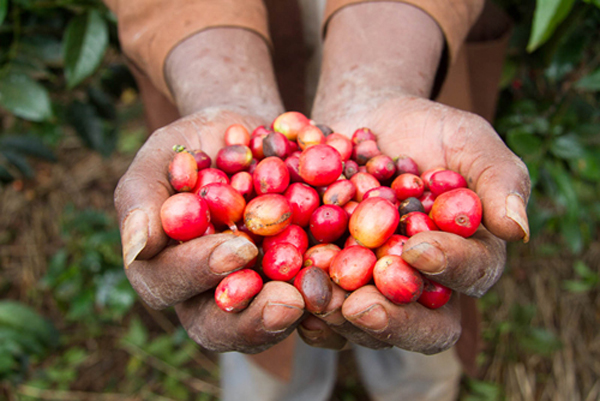
Do you know? The climate will affect your coffee.
As the second most traded commodity, coffee is second only to oil in value. Usually, it is thought that large food companies will always be able to get coffee from somewhere in the future, but global climate change is affecting coffee cultivation in tropical countries on both sides of the equator, and the coffee crisis is already brewing. This cup of coffee in your hand may be affected by the global climate! Changes in temperature and precipitation: reduction
2015-11-05 Know climate influence yours coffee curry reading guide as ranking second
Coffee cultivation techniques detailed explanation of planting knowledge of Coffee trees
Coffee, cocoa and tea are called the three major beverages in the world, and their output, consumption and output value all rank first. In addition to being used as a beverage, coffee can also extract caffeine and coffee oil; in medicine, it can be used as an anesthetic, stimulant and diuretic cardiotonic agent. Coffee pulp can be used to make wine, vinegar, pectin and molasses; dried pulp can be used as animal feed; dried fruit shell can be used as fertilizer and burning
2015-02-16 Coffee cultivation techniques planting knowledge detailed explanation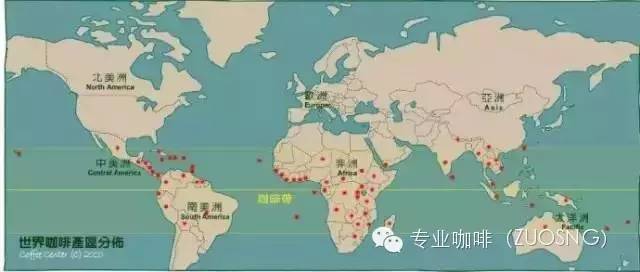
The Historical Progress of Coffee in China: how did Coffee enter China?
The history of coffee introduced into China is not long, and it was not until 1884 that coffee was first planted in Taiwan. In the mainland, the earliest coffee cultivation began in Yunnan. At the beginning of the 20th century, French missionaries brought the first batch of coffee saplings to Binchuan County, Yunnan Province, and coffee began to be grown on the mainland. In terms of natural conditions, many parts of our country, Latin America, South America, India and India
2015-12-09 Coffee China history progress decryption how to enter
Chinese Coffee Development Agricultural Research Institutes promote Chinese Coffee
At this point, the author's mood is agitated and dignified. Today, when Chinese coffee, especially Yunnan small-grain coffee, has developed to large-scale industrialization through the persistent cultivation of several generations of Chinese mainland and after several ups and downs, it is not easy to be rated as a first-class product by the International Coffee Organization (ICO). The author believes that Yunnan small-grain coffee can quickly rise in Chinese mainland and China's agricultural scientific research.
2015-02-07 China coffee development agriculture scientific research institutes boost author draft so far heart
The History of Coffee introduction and expansion in China in the early stage (2)
1. The presentation of the respective expressions and questions of Zhu Kula Coffee 1.1 I remember that it was still the spring of 1995, when Professor Mao Genhai of the former South China Hot farming Academy and I visited Xishuangbanna, Yunnan Province. I had the honor to see the review and prospect of Yunnan coffee development published in the third issue of Tropical crop Science and Technology in 1994 by Huang Junxiong and Zhang Xingcan, Institute of Tropical and Subtropical Economic crops, Yunnan Academy of Agricultural Sciences
2014-12-01 Coffee History Common sense early China introduction expansion Zhu Kula
The respective expressions and questions of the introduction years of Zhukula Coffee in Chinese Coffee Culture
1.1 I remember that it was still the spring of 1995, when Professor Mao Genhai of the former South China Hot farming Academy and I went to Xishuangbanna, Yunnan Province. I had the honor to see Huang Junxiong and Zhang Xingcan, Institute of Tropical and Subtropical Coffee, Yunnan Academy of Agricultural Sciences, published a paper on the development of Yunnan coffee in 1994 in the third issue of Tropical crop Science and Technology, from which we got the information about the earliest introduction of Yunnan coffee.
2015-02-07 China coffee culture Zhu Kula coffee introduction age respective topics
History of Coffee planting in the early stage of Coffee introduction and expansion in China (2)
1. The presentation of the respective expressions and questions of Zhu Kula Coffee 1.1 I remember that it was still the spring of 1995, when Professor Mao Genhai of the former South China Hot farming Academy and I visited Xishuangbanna, Yunnan Province. I had the honor to see the review and prospect of Yunnan coffee development published in the third issue of Tropical crop Science and Technology in 1994 by Huang Junxiong and Zhang Xingcan, Institute of Tropical and Subtropical Economic crops, Yunnan Academy of Agricultural Sciences
2014-10-14 Coffee knowledge coffee cultivation Chinese coffee
History of introduction and expansion of Coffee in early China (5)
1. From the first peak period of the development of China's coffee industry (1952-1961) to the late 1940s, according to recorded figures, there are 2173.33 hectares of rubber plantations in Hainan Island, with a total of 867600 rubber trees, with an annual output of 199,000 tons of dry rubber, and more than 300,000 coffee plants. the annual output of coffee beans is 1 ton. According to a survey in the early 1950s, there was a large amount of coffee left in Fushan area of Chengmai County, with a total of 70,000.
2015-04-28 Early China coffee introduction expansion
Coffee planting History of Coffee introduction and expansion in China in the early stage (5)
1. From the first peak period of the development of China's coffee industry (1952-1961) to the late 1940s, according to recorded figures, there are 2173.33 hectares of rubber plantations in Hainan Island, with a total of 867600 rubber trees, with an annual output of 199,000 tons of dry rubber, and more than 300,000 coffee plants. the annual output of coffee beans is 1 ton. According to a survey in the early 1950s, there was a large amount of coffee left in Fushan area of Chengmai County, with a total of 70,000.
2014-10-14 Coffee knowledge coffee growing history Chinese coffee
The History of Coffee introduction and expansion in China in the early stage (5)
1. From the first peak period of the development of China's coffee industry (1952-1961) to the late 1940s, according to recorded figures, there are 2173.33 hectares of rubber plantations in Hainan Island, with a total of 867600 rubber trees, with an annual output of 199,000 tons of dry rubber, and more than 300,000 coffee plants. the annual output of coffee beans is 1 ton. According to a survey in the early 1950s, there was a large amount of coffee left in Fushan area of Chengmai County, with a total of 70,000.
2014-12-01 Coffee History Common sense early China introduction expansion planting Industry