“large leaf species” search results (300)
Classification and selection of coffee trees
Arabica Coffee and Variety improvement. What do the so-called families, genera and species of Arabica species mean in biological classification? In terms of biological classification, it is divided into boundary, phylum, class, order, family, genus and species from top to bottom, and the lower part of the species is subdivided into subspecies, varieties and varieties. Arabica coffee is generally thought to originate from the Ethiopian plateau and is widely divided.
2014-08-21 Coffee classification selection rabbi card species coffee varieties improved planted so-called
Coffee knowledge Coffee Tree Classification
Arabica Coffee and Variety improvement. What do the so-called families, genera and species of Arabica species mean in biological classification? In terms of biological classification, it is divided into boundary, phylum, class, order, family, genus and species from top to bottom, and the lower part of the species is subdivided into subspecies, varieties and varieties. Arabica coffee is generally thought to originate from the Ethiopian plateau and is widely divided.
2014-09-15 Coffee knowledge coffee tree coffee tree classification
The knowledge of coffee botany is mainly divided into the following five varieties
According to the botanical description of coffee: coffee is Rubiaceae, coffee genus, perennial evergreen shrubs or small trees. There are more than 60 types of coffee classified, but there are roughly two varieties of coffee grown commercially on a large scale, one is Arabica, accounting for about 70 percent of the world's coffee planting area, and the other is Robasta, accounting for about 30 percent of the world's coffee planting area. According to our country
2015-10-19 Coffee botany knowledge mainly divided into the following varieties
Coffee botany is mainly divided into the following five varieties
There are more than 60 types of coffee classified, but there are roughly two varieties of coffee grown commercially on a large scale, one is Arabica, accounting for about 70 percent of the world's coffee planting area, and the other is Robasta, accounting for about 30 percent of the world's coffee planting area. According to our national standards, the classification of coffee is mainly divided into the following five varieties. 1. Small seed coffee, that is, Arabian species. Original production
2015-07-28 Coffee botany mainly divided into the following a variety
Varieties of coffee trees
1.5 Arabica coffee varieties improved Arabica coffee beans include traditional varieties that are very close to the original, as well as mutants or hybrids mated with Robusta. Coffee variety improvement is not only limited to the fight against diseases and insect pests, but also the pursuit of a steady stream of harvests. 1. The variety of Arabica coffee belongs to the evergreen shrub Ara of the genus Rubiaceae.
2014-07-04 Coffee knowledge coffee trees varieties coffee encyclopedia
Varieties and characteristics of Arabica Coffee
Arabica Coffee varieties and their characteristics Typica this is the closest Arabica species to the native species, almost all Arabica coffee varieties are derived from this. Used to be widely cultivated in Central and South America, the bean shape is long and has excellent sour taste and aroma, but it is not resistant to leaf rust and requires quite a lot of shading trees, resulting in low yield (sweet with bourbon every two years).
2014-09-12 Arabica Coffee varieties Coffee Encyclopedia Coffee knowledge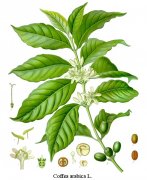
Coffee cultivation techniques detailed explanation of planting knowledge of Coffee trees
Coffee, cocoa and tea are called the three major beverages in the world, and their output, consumption and output value all rank first. In addition to being used as a beverage, coffee can also extract caffeine and coffee oil; in medicine, it can be used as an anesthetic, stimulant and diuretic cardiotonic agent. Coffee pulp can be used to make wine, vinegar, pectin and molasses; dried pulp can be used as animal feed; dried fruit shell can be used as fertilizer and burning
2015-02-16 Coffee cultivation techniques planting knowledge detailed explanation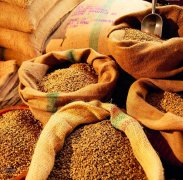
Knowledge of coffee botany basic knowledge of fine coffee
According to the botanical description of coffee: coffee is Rubiaceae, coffee genus, perennial evergreen shrubs or small trees. There are more than 60 types of coffee classified, but there are roughly two varieties of coffee grown commercially on a large scale, one is Arabica, accounting for about 70 percent of the world's coffee planting area, and the other is Robasta, accounting for about 30 percent of the world's coffee planting area. According to our country
2015-01-29 Coffee Botany knowledge Fine goods basic knowledge description Grass
High-quality coffee common sense coffee tree classification selection
Arabica Coffee and Variety improvement. What do the so-called families, genera and species of Arabica species mean in biological classification? In terms of biological classification, it is divided into boundary, phylum, class, order, family, genus and species from top to bottom, and the lower part of the species is subdivided into subspecies, varieties and varieties. Arabica coffee is generally thought to originate from the Ethiopian plateau and is widely divided.
2015-01-08 Boutique coffee common sense classification selection rabbi card variety improvement
Coffee botany knowledge-Malaysia Coffee City White Coffee
According to the botanical description of coffee: coffee is Rubiaceae, coffee genus, perennial evergreen shrubs or small trees. There are more than 60 types of coffee classified, but there are roughly two varieties of coffee grown commercially on a large scale, one is Arabica, accounting for about 70 percent of the world's coffee planting area, and the other is Robasta, accounting for about 30 percent of the world's coffee planting area. According to our country
2016-08-15 Coffee Botany knowledge Malaysia Chengbai
Classification of coffee by the National Standard for Coffee Botany
There are more than 60 types of coffee, but there are roughly two types of coffee grown on a commercial scale, one is Arabica, accounting for about 70% of the world's coffee planting area; one is Robasta, accounting for about 30% of the world's coffee planting area. According to the classification of coffee by China's national standards, it is mainly divided into the following five varieties. 1. Arabica coffee, i.e. Arabian species. origin
2015-01-17 coffee botany national standard classification class has variety commercial
Introduction to the varieties and producing areas of coffee beans in Indonesia
At first, Indonesian coffee was Arabica, and the Arabica manor was destroyed by the leaf rust disaster at the end of the 18th century. at first, the Dutch tried to plant Liberian species, and later, they began to plant Robsta species on a large scale. At present, Arabica species account for about 10-15% of the coffee produced in Indonesia, and the rest is Robusta. Although Liberika species are produced, they are basically not in coffee.
2016-06-15 Indonesia coffee beans varieties producing areas introduction coffee originally
Species Morphology and Variety Grade History of Colombian Coffee
The main varieties of Colombian coffee are small grains of coffee. Plants are small trees or large shrubs, 5-8 m tall, usually much branched at base; old branches gray-white, nodes dilated, young branches glabrous, compressed. Leaves thinly leathery, ovate-lanceolate or lanceolate, 6-14 cm long and 3.5-5 cm wide, tip long acuminate, acuminate part 10-15 mm long, base cuneate or slightly obtuse, rarely rounded, entire or
2016-05-29 Columbia Coffee species Morphology Variety Grade History Colombia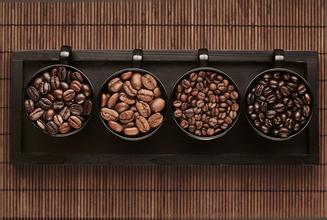
Morphology of quality species in Colombian coffee producing area
In terms of yield or texture, Colombian coffee is first produced by Medellin, which is characterized by full granules, rich nutrition, moderate acidity, good balance, rich aroma and soft taste. In addition to Medellin, the provincial capitals of two neighboring provinces in the south, Armenia and Manizales, are also famous coffee producers.
2016-06-01 Colombia coffee origin quality species morphology yield or texture brother
Introduction of coffee beans from Colombian coffee producing countries that mainly grow small grains of coffee
Species Morphology Colombian Coffee Plant Morphology Colombian Coffee Plant Morphology (10) the varieties of Colombian coffee are mainly small grain coffee. Plants are small trees or large shrubs, 5-8 m tall, usually much branched at base; old branches gray-white, nodes dilated, young branches glabrous, compressed. Leaves thinly leathery, ovate-lanceolate or lanceolate, 6-14 cm long, 3.5-5 cm wide, tip long
2016-06-18 Main planting small grains Coffee Colombia country of production Coffee beans introduction species
Origin Culture and species Morphology of Colombian Coffee
The earliest records of coffee cultivation in Colombia appear in a book called The Illustrated Orinoca by Spanish missionary Jose Gumilla. He describes what he saw when he preached on both sides of the Meta River in 1730, in which he mentioned the local coffee plantation. By 1787, other missionaries had spread coffee to other parts of Colombia.
2016-06-08 Colombia Coffee Origin Culture species form about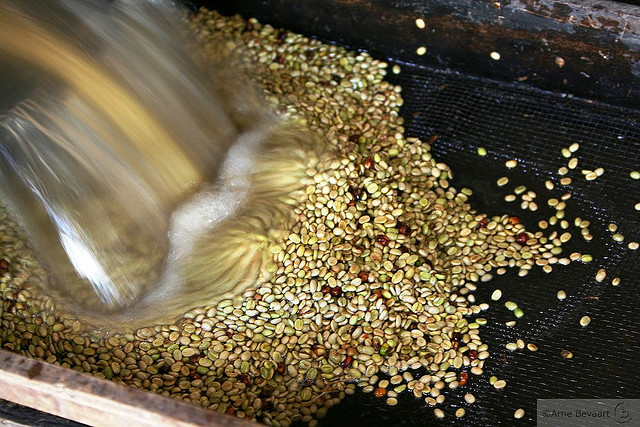
Colombian coffee bean Arabica seed Dikapunkadullah Mondo Dono Wokadu Amarago
Arabica coffee is generally considered to be originated from the Ethiopian plateau, widely distributed in the tropics, after repeated mutation and breeding, derived a lot of varieties. Tibica: this is the closest Arabica species to the native species. Almost all Arabica varieties are derived from this. It is long in bean shape, has excellent aroma and sour taste, but is not resistant to leaf rust.
2016-03-29 Colombia coffee beans rabbi card species Tibby Cabo Panca Dula Dono
Planting Environment and species Morphology of Colombian Coffee
The pure taste of Colombian coffee comes from Colombia's natural environment with the most favorable conditions for coffee growth. But beyond that, it is inseparable from the hard work of local growers. In Colombia, coffee cultivation has reached 1.07 million hectares, there are about 302000 coffee plantations in the country, and 30 to 40 per cent of the rural population depends directly on coffee production. Columby
2016-06-12 Colombia Coffee planting Environment species Morphology Pure
Flavor and taste of Indonesian Coffee Manor Coffee beans in Wahana Manor, Indonesia
The prosperity of coffee in Indonesia was not sustainable, coffee production was fatally hit at the end of the 18th century, and leaf rust, originally found in West Java, spread rapidly, destroying the Arabica coffee estate in Indonesia. The leading position of the coffee trade was replaced by the American producing countries. However, it is worth mentioning that the leaf rust disaster did not affect the eastern Indonesian producing areas, namely, Flores Island and Timor, today.
2016-07-20 Indonesia Coffee Manor producing area Flavor Taste introduction Waha Coffee beans
Coffee trees and three kinds of native species
Coffee trees and three kinds of native coffee trees are evergreen shrubs or trees belonging to the Rubiaceae family. Wild coffee trees can grow to a height of 5 to 10 meters, but coffee trees planted on the manor are often cut to a height of less than 2 meters in order to increase fruit and facilitate harvesting. The opposite leaf of the coffee tree is long oval, the leaf surface is smooth, the end branch is very long, the branch is few, and the flower is white.
2014-09-11 Coffee trees coffee trees coffee knowledge