“lar” search results (113)

Introduction to the pure, fragrant and grainy Puerto Rican coffee producing area, Larez Yaokeka in the south-central part of the country.
In 1736, the first coffee tree was introduced to Puerto Rico from Martinique. Since then, Puerto Rico has become the base for producing the highest quality coffee in the world. The unique taste chosen by Yaocote has also become the object of admiration of coffee experts all over the world. Most of the earliest coffee trees were planted by immigrants from Corsica. About 160 years later, the coffee industry in Puerto Rico has emerged
2016-06-24 Pure aromatic granular heavy Puerto Rico Coffee producing area introduction South Central
Introduction to the characteristics of coffee flavor description in San Pedro Manor, Puerto Rico
In 1898, the Spanish-American War broke out and Spain was defeated. According to the Treaty of Paris, Puerto Rico was ceded to the United States. The administrative jurisdiction of the United States over Puerto Rico first took the form of a military junta. During its two years of governance of the island, the junta established schools, roads, railways, hospitals and health facilities. In 1900, the United States Congress established civilian control over the island. The Governor, the Cabinet and
2016-09-27 Flavor complete Puerto Rico San Pei Delo Manor Coffee description producing area Special
Bolivia, Puerto Rico, Brazil, Brazil, origin of coffee beans.
Puertp Rico in 1736, coffee trees were introduced into Puerto Rico from Martinique. Most of the early coffee was grown by immigrants from Corsica. By 1896, Puerto Rico was the sixth largest exporter of coffee in the world, with most coffee shipped to France, Italy, Spain and Cuba. Coffee farms flourished in the 19th century, but sugar cane and medicine
2016-03-15 Bolivia Puerto Rico Brazil coffee origin coffee beans
Introduction to the characteristics of the methods and methods for the treatment of the grinding degree of Puerto Rican coffee with rich fruit flavor
On 6 November 2012, Puerto Rico held its fourth referendum. The referendum consists of two rounds of voting. In the first round, Puerto Ricans voted on whether they wanted to change the status quo in their relations with the United States. 1.8 million people were eligible to vote, 65000 gave up the first round of voting, and 54 per cent of those who took part in the vote supported a change of relationship. Later, Puerto Ricans were like
2016-09-30 Fruity rich Puerto Rico coffee grinding taste handling way method special
Bolivian boutique coffee Puerto Rico Brazilian boutique coffee production of coffee beans
Puertp Rico in 1736, coffee trees were introduced into Puerto Rico from Martinique. Most of the early coffee was grown by immigrants from Corsica. By 1896, Puerto Rico was the sixth largest exporter of coffee in the world, with most coffee shipped to France, Italy, Spain and Cuba. Coffee farms flourished in the 19th century, but sugar cane and medicine were planted
2016-03-18 Bolivia boutique coffee Puerto Rico Brazil origin coffee beans
Flavor and taste of Puerto Rico Coffee producing area characteristics of Larez Yaoke Coffee
In ancient China, Shennong tasted all kinds of herbs and recorded them one by one, so that later generations could have a systematic understanding of many plants. There is no such person as Shennong in the western world, let alone any written record, so there are different legends about the origin of coffee. Among them, the most common and popular story is the story of the shepherd. The Arabs in ancient times were the first to put coffee
2016-08-06 Puerto Rico Coffee producing area Flavor palate Manor characteristics introduction Les Yao
Introduction of Coffee from 53 Coffee producers in the World (5)
forty-one. Coffee cultivation in Zimbabwe (Zimbabwe) began relatively recently, in the 1960s, when farmers in southern Africa set up coffee plantations. Coffee cultivation in Zimbabwe is mainly concentrated in the eastern highlands near Mozambique, mainly by the Chimanimani mountains and northward Nyanga (Ny).
2014-07-16 Coffee knowledge coffee origin coffee encyclopedia
Introduction of Coffee from 53 Coffee producing areas in the World (2)
eleven. Mexico coffee from the world's fourth largest coffee producer, slippery and fragrant Mexico, the fourth largest coffee producer in the world, produces about 5 million bags of coffee a year. Most of its coffee is produced by nearly 100000 small farmers, and large estates that once manipulated the coffee industry are rare. The yield of Mexican coffee is about 630 kg per hectare. Later, the Mexican Coffee Association (Institu)
2014-07-16 Coffee knowledge coffee origin coffee encyclopedia
The main producing area of coffee knowledge coffee
Coffee production zones (commonly known as coffee belts) range from 25 degrees north latitude to 30 degrees south latitude, covering many countries in Central, West Africa, the Middle East and South Asia, the Pacific, Latin America and the Caribbean. The reason why coffee cultivation is concentrated in this area is mainly due to the limitation of temperature. Because coffee trees are vulnerable to frost, neither north nor south latitude is suitable, especially in the tropics.
2014-09-19 Coffee knowledge coffee origin coffee encyclopedia
World Map of Coffee beans-take you to know 53 coffee producing areas around the world
There are shadows of coffee beans in many parts of the world, and they can grow normally as long as the climate is right. These places suitable for the cultivation of coffee beans, usually located between the Tropic of Cancer and the Tropic of Cancer, are called coffee growth zones. R: Robusta coffee beans M: mixed coffee beans A: Arabica coffee beans one. Costa Rican coffee has full grains, ideal acidity and aroma.
2016-06-12 Coffee beans world map take you know global 53 coffee origin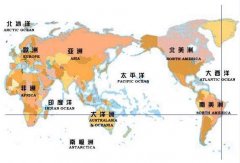
World Map of Coffee beans-introduction of 53 Coffee producing areas in the World
one. Costa Rican coffee has full grains, ideal acidity and unique strong aroma. Tarrazu of Costa Rica is one of the major coffee producing areas in the world. Costa Rica, with its fertile volcanic soil and good drainage, is the first country in Central America to grow coffee and bananas for commercial value. Coffee and
2016-05-07 Coffee beans World Map Global 53 Coffee Origin introduction
World Map of Coffee beans-take you to know 53 coffee producing areas around the world
There are shadows of coffee beans in many parts of the world, and they can grow normally as long as the climate is right. These places suitable for the cultivation of coffee beans, usually located between the Tropic of Cancer and the Tropic of Cancer, are called coffee growth zones. R: Robusta coffee beans M: mixed coffee beans A: Arabica coffee beans one. Costa Rican coffee has full grains, ideal acidity and aroma.
2016-06-12 Coffee beans world map take you know global 53 coffee origin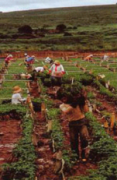
Have a comprehensive understanding of coffee
Legend of Coffee the person who first discovered coffee: a shepherd in Ethiopia, in the fifth and sixth centuries AD. It is said that Niankadi, a shepherd with talent as a poet, herded sheep on the mountain paths of the Ethiopian plateau every day. He liked to drive the sheep home with a shrill flute, but one day the flute sounded again and there was no sign of the sheep. He looked everywhere. Find sheep
2014-07-23 Understand coffee coffee encyclopedia coffee knowledge