“its fruit.” search results (21000)

Introduction of Central American Honduran coffee beans with good flavor, rich and mellow, suitable for mixed drinking
High-quality coffee in Honduras uses water washing to deal with coffee beans, usually after soaking, when the defective fruit will surface, it can be discarded first. Then put the good fruit into the fruit peeling machine and peel off the peel with the rotating force of the machine. Peeled fruits are screened by machines to select fruits of high quality. Usually the bigger the fruit.
2016-06-20 Flavor good rich mellow mixed used Central America Honduras coffee beans
What's good with coffee? Fruit, chocolate and other collocation
First, baked foods with pretzels: even in the United States, it is one of the most common food with coffee, and has a variety of flavors, including almonds, cherries, and chocolate. Cake: as one of the classic matches with coffee, different flavors of cakes are suitable for different flavors of coffee. For example, carrot cake goes well with Colombian coffee, while chocolate cake goes well.
2015-06-21 Coffee match what delicious fruit chocolate variety bakery food mix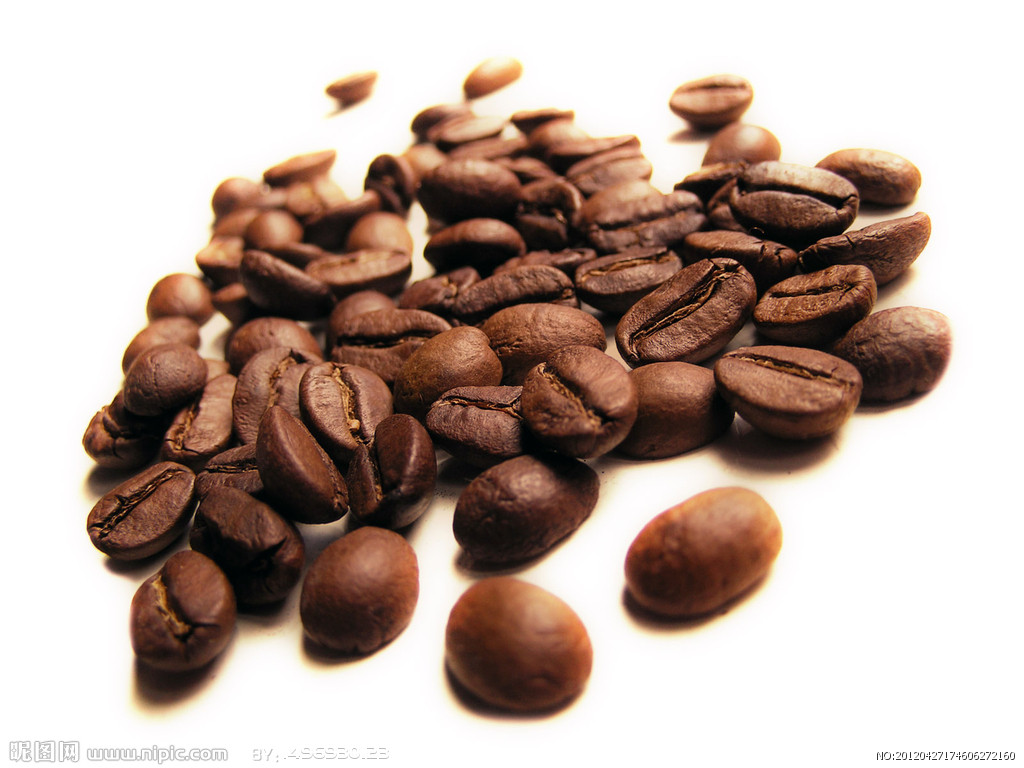
Full-bodied Kenyan coffee with fruit flavor, characteristics, taste and manor introduction
Kenyan coffee is mostly grown at an altitude of 1500m, 2100m, and is harvested twice a year. Its main feature is a distinct fruit aroma, the common fruit aroma is citrus. Kenyan coffee has a multi-layered taste and juice acidity, perfect grapefruit and wine flavor, moderate mellow, is the favorite of many people in the coffee industry. Kenya Coffee borrows Hollywood movies
2016-08-31 Rich aromatic with fruit flavor Kenya coffee characteristics taste manor
A brief introduction to the Life process of Coffee beans
Coffee trees take 3-5 years from planting to fruiting. 6-10 years of coffee trees are the most likely to bear fruit, about 15-20 years, is the harvest period. Coffee trees are usually bred in nurseries and grow into saplings, and then moved to coffee farms a year later, in full compliance with the way the Arabs planted and cultivated coffee trees. Coffee trees will continue to take root downward and upward in the first four or five years of their growth.
2014-11-19 Coffee knowledge boutique coffee science coffee beans
Introduction of high-quality Honduran coffee beans treated by washing method San Juan likes to be productive
High-quality coffee in Honduras uses water washing to deal with coffee beans, usually after soaking, when the defective fruit will surface, it can be discarded first. Then put the good fruit into the fruit peeling machine and peel off the peel with the rotating force of the machine. Peeled fruits are screened by machines to select fruits of high quality. Usually the bigger the fruit.
2016-07-05 Washing processing high quality Honduras coffee beans introduction boutique San Hu Anxi
Fragrant Kenyan coffee varieties with fruit flavor taste manor boutique coffee bean flavor introduction
Kenyan coffee is mostly grown at an altitude of 1500m, 2100m, and is harvested twice a year. Its main feature is a distinct fruit aroma, the common fruit aroma is citrus. Kenyan coffee has a multi-layered taste and juice acidity, perfect grapefruit and wine flavor, moderate mellow, is the favorite of many people in the coffee industry. Kenya Coffee borrows Hollywood movies
2016-09-01 Aroma with fruit flavor Kenya coffee variety characteristics taste manor
The production of coffee basic knowledge and high-quality coffee beans
Coffee trees take 3-5 years from planting to fruiting. 6-10 years of coffee trees are the most likely to bear fruit, about 15-20 years, is the harvest period. Coffee trees are usually bred in nurseries and grow into saplings, and then moved to coffee farms a year later, in full compliance with the way the Arabs planted and cultivated coffee trees. Coffee trees will continue to take root downward and upward in the first four or five years of their growth.
2014-12-28 Coffee basics common sense boutique coffee beans production coffee planting results 3-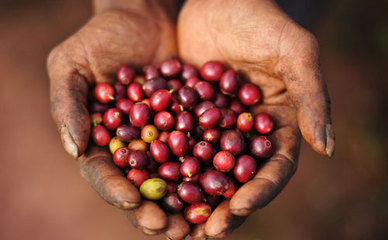
Harvest time of coffee fruit explain the month of harvest time and picking of coffee fruit according to equator classification
The vast majority of coffee fruits are picked manually. In order to ensure the quality of coffee, pickers need to identify which fruits are suitable for harvest and pick them one by one from the tree, which takes a lot of energy and time. In this era when the tide of science and technology is sweeping in, such humane manual work is very precious. Due to different planting areas, the receiving time also changes.
2016-01-18 Coffee harvest time equator classification explanation fruit interval month
Fruit-scented Yejassefi Coffee Manor flavor and taste characteristics of Cochel Manor
Yejia Xuefei, nearly 2,000 meters above sea level, is one of the highest coffee producing areas in the world. Here has been a wetland since ancient times, Yirga means to settle down, Cheffe means wetland, Lake Turkana, Lake Abaya, Lake Chamo bring rich water vapor here. The rift valley, represented by Misty valley, is foggy all the year round, like spring all the year round, with a gentle breeze.
2016-08-11 Fruit aroma Yega Sheffield coffee manor producing area flavor taste characteristics
When does the coffee tree bear fruit?
Coffee trees usually blossom in 3-4 years, about 2-3 months a year, and their appearance and smell are similar to those of jasmine. when they bloom, they grow in clusters on the branches and bloom for 3-5 days. After the flowers bloom, they bear small green fruits, which ripen and turn red into ripe fruits that can be picked after a few months.
2014-09-01 Coffee knowledge coffee bean picking coffee tree planting
The Origin and characteristics of Coffee Tree introduce the taste of coffee fruit
One: the story of the shepherd has several legends about the origin of coffee, of which the more familiar is the story of the shepherd: according to Rothschild, a Roman linguist. Naroy (1613-1707) records: about the sixth century, when an Arab shepherd Caldai drove sheep to the Isabian prairie for grazing, he was extremely excited and excited to see each goat.
2016-06-08 Coffee origin characteristics introduction fruit taste how one sheep herding human
San Juan Xido producing area of Honduran coffee beans with rich and mellow taste
High-quality coffee in Honduras uses water washing to deal with coffee beans, usually after soaking, when the defective fruit will surface, it can be discarded first. Then put the good fruit into the fruit peeling machine and peel off the peel with the rotating force of the machine. Peeled fruits are screened by machines to select fruits of high quality. Usually the bigger the fruit.
2016-06-21 With rich thick taste Honduras coffee beans San Hu Theodore producing area
Fragrant with fruit flavor Kenyan coffee variety characteristics taste manor boutique coffee bean flavor introduction
Kenyan coffee is mostly grown at an altitude of 1500m, 2100m, and is harvested twice a year. Its main feature is a distinct fruit aroma, the common fruit aroma is citrus. Kenyan coffee has a multi-layered taste and juice acidity, perfect grapefruit and wine flavor, moderate mellow, is the favorite of many people in the coffee industry. Kenya Coffee borrows Hollywood movies
2016-09-01 Aroma with fruit flavor Kenya coffee variety characteristics taste manor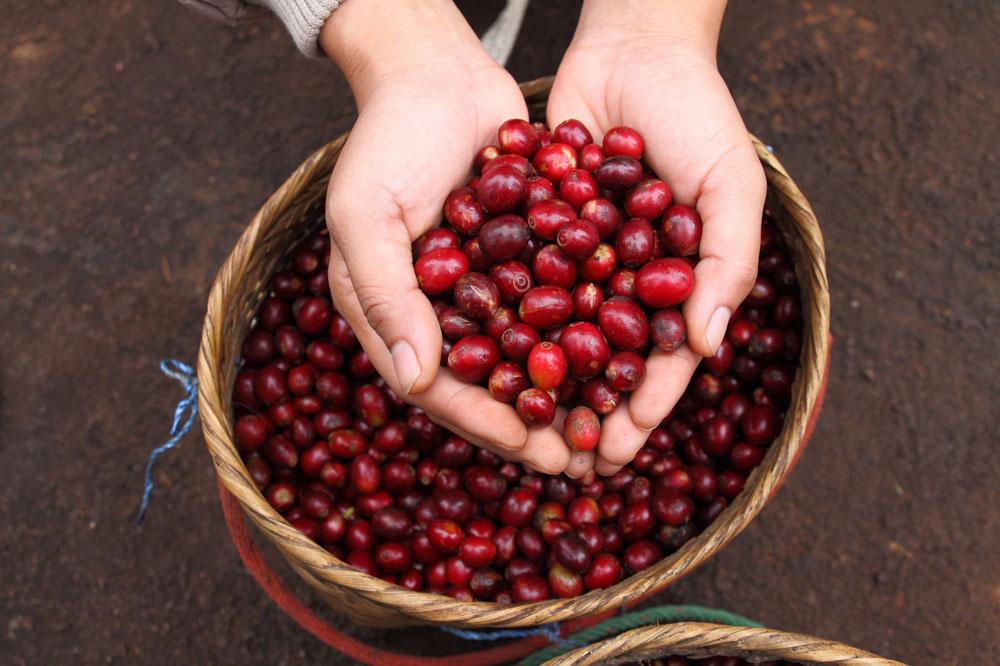
With aromatic fruit flavor Kenyan coffee varieties taste characteristics manor boutique coffee bean flavor introduction
Kenyan coffee is mostly grown at an altitude of 1500m, 2100m, and is harvested twice a year. Its main feature is a distinct fruit aroma, the common fruit aroma is citrus. Kenyan coffee has a multi-layered taste and juice acidity, perfect grapefruit and wine flavor, moderate mellow, is the favorite of many people in the coffee industry. Kenya Coffee borrows Hollywood movies
2016-09-03 With aroma fruit flavor Kenya coffee variety taste characteristics manor
Aromatic, full-bodied, with fruit flavor Kenyan coffee Kenyan coffee characteristics Kenyan coffee mouth
Kenyan coffee is mostly grown at an altitude of 1500m, 2100m, and is harvested twice a year. Its main feature is a distinct fruit aroma, the common fruit aroma is citrus. Kenyan coffee has a multi-layered taste and juice acidity, perfect grapefruit and wine flavor, moderate mellow, is the favorite of many people in the coffee industry. Kenya Coffee borrows Hollywood movies
2016-08-29 Aromatic full-bodied with fruit flavor Kenya coffee specialty
Aromatic, full-bodied, with fruit flavor, Kenyan coffee flavor, characteristics, taste and manor introduction
Kenyan coffee is mostly grown at an altitude of 1500m, 2100m, and is harvested twice a year. Its main feature is a distinct fruit aroma, the common fruit aroma is citrus. Kenyan coffee has a multi-layered taste and juice acidity, perfect grapefruit and wine flavor, moderate mellow, is the favorite of many people in the coffee industry. Kenya Coffee borrows Hollywood movies
2016-08-30 Aromatic full-bodied with fruit flavor Kenya coffee characteristics taste manor
What does coffee fruit look like?
What we see every day is roasted coffee beans, and at most we have seen yellow-green coffee beans. That coffee bean is the most fruit. What is it like at first? What we usually see is a bit like cherries, so we sometimes call coffee cherries. Generally speaking, each coffee fruit contains two coffee beans. The beans are covered with pericarp, pulp and pectin.
2014-07-02 Coffee cherries coffee trees coffee beans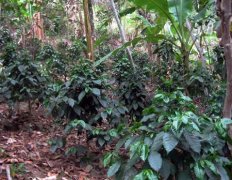
The general knowledge of fine coffee explains the production of coffee beans in detail.
Coffee trees take 3-5 years from planting to fruiting. 6-10 years of coffee trees are the most likely to bear fruit, about 15-20 years, is the harvest period. Coffee trees are usually bred in nurseries and grow into saplings, and then moved to coffee farms a year later, in full compliance with the way the Arabs planted and cultivated coffee trees. Coffee trees will continue to take root downward and upward in the first four or five years of their growth.
2014-11-12 Coffee knowledge coffee common sense coffee bean production
Organ classification of coffee
Coffee is a shallow root crop, and the plants propagated with seeds have conical roots. Root system refers to the general name of root. The root morphological distribution and depth of shade varieties / soil conditions and agricultural technical measures are different. From the point of view of varieties, the roots of small / medium grain species are shallower, while those of large grain species are deeper. Under normal circumstances, there is a thick and short taproot and many well-developed lateral roots. Yunnan small-grain coffee has a 4-year-old fruit.
2014-06-16 Coffee beans coffee organs
Introduction to coffee production in Honduras, a high mountain country located in northern Central America
Honduras 'high-quality coffee uses water washing to treat coffee beans, usually after soaking, in the soaking time, defective fruit will surface, can be discarded first. The good fruit is then placed in a fruit peeler and peeled off by the rotating force of the machine. The peeled fruits are screened by machines to select excellent quality fruits. usually larger fruit
2016-06-29 Located in Central America North Honduras High Mountains Country Coffee Producing Area Introduction