“introduce” search results (14770)

Ecuadorian boutique coffee introduces the taste of Ecuadorian coffee the quality of Ecuadorian coffee
The Arabian Coffee Tree was first introduced to Ecuador (Ecuador) in 1952 and its coffee is of good quality, especially the coffee harvested in early June. Ecuador's coffee origin: the best Arabica coffee is produced in the Andes, especially in the Chanchagu Valley (ChanchamgoValley). The Andes are divided into two mountains, extending from south to north to central Ecuador. Ecuador
2016-03-23 Ecuador boutique coffee introduction taste quality Arabica tree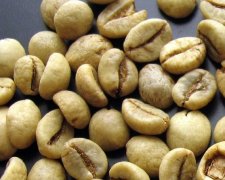
Well-known coffee raw beans introduce raw beans in Robusta, Java, Indonesia
Java Robusta raw beans Indonesia Java robusta green bean in Indonesia in the early 1970s, Java cut down Arabica trees introduced by most Dutch and planted Robbosa beans instead. Since then, Java coffee has become greasy, plain, and has a strong smell of wheat and tea. Of the few remaining Arabica estates, Djampit is the most famous.
2015-09-22 Well-known coffee raw beans introduction Indonesia Java Robbs Booth
Full-bodied Mantenin coffee beans introduce boutique coffee
Mantenin Coffee-the amorous Mantenin leaping slightly acid mixes with the richest aroma, giving you an easy taste to the lively factor in the mild fragrance, and its outstanding taste captivates many suitors. In the 17th century, the Dutch introduced Arabica seedlings to Ceylon (present-day Sri Lanka) and Indonesia. In 1877, a large-scale disaster struck the Indonesian islands
2016-06-22 Rich fragrant mante coffee beans introduction boutique coffee amorous feelings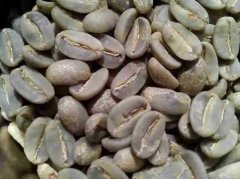
Boutique Coffee, Taiwan Crystal Coffee introduces the history of Taiwan coffee the unique style of Taiwan coffee
In the 19th century, after the film boom, the British businessman "Deyang Foreign Company" came to Taiwan to do business and found that the environment of Taiwan was similar to that of South Asia and Central and South America. In 1884 (10 years of light), Nila introduced more than 100 coffee seedlings "Arabica" and planted him in the mountains of modern Taipei, but he was tired of kicking and packing.
2016-03-22 Boutique Coffee Taiwan Crystal introduction History unique Nineteen World Coffee Film
The priest introduced the coffee tree to Guatemala
In 750, Father Jesuit introduced coffee trees to Guatemala, where the coffee industry was developed by German colonization at the end of the 19th century. Today, most of the coffee industry's production takes place in the south of the country. Here, the slopes of the Sierra Madre volcano provide ideal conditions for growing high-quality coffee beans and the vitality of coffee growing at high elevations.
2016-05-23 Father Coffee introduction Guatemala 750 Jesu Voight Jesui
Its delicious and sour Venezuelan coffee beans introduce fine coffee.
The coffee produced in Venezuela is different from other coffee in Latin America. It tastes delicious, sour and has delicious fruit. This kind of coffee is most suitable for medium to deep roasting, which can not only be mixed but also has its own characteristics. Most of the country's coffee is exported to Russia, Colombia and other places, and some small plantations export coffee on their own. Among the many industries, Venezuela's
2016-06-23 Delicious sour Venezuela coffee beans introduction boutique coffee raw
How was coffee introduced into Arabia?
European historians argue that as early as 800 years ago, there were artificial coffee trees for trade in Yemen in the southern Arabian Peninsula, and there was historical evidence that at that time, there was indeed trade across the Red Sea between Yemen and Ethiopia. Based on this, people speculate that if the use of coffee was discovered by Ethiopians, then coffee
2016-10-11 Coffee how introduced Arab European historians say as early as 800
Rich floral and fruity Panamanian rose coffee introduces boutique coffee
Feicui Manor is famous for its Geisha variety. Rose summer seeds were discovered in the rose summer forests of Ethiopia in 1931 and sent to the Coffee Institute in Kenya, and then introduced to Uganda, Tanzania and Costa Rica, all mediocre. It was not until it was transplanted to Panama in the 1960s that it became a blockbuster after nearly half a century. 2005, 2006 and 2007
2016-07-01 Rich floral fragrant Panama Rosa coffee introduction boutique emerald manor
Boutique coffee beans introduce Venezuelan coffee
The distinctive manor coffee comes from this oil-rich country. Oil was once considered to be the main export of Venezuela. Although coffee trees were introduced from Martinique in 1730 and Venezuela, coffee production was almost abandoned at the height of the oil industry. Recently, coffee plantations have begun to recover, with the original planting of Tipica and
2014-11-18 Coffee knowledge boutique coffee beans Venezuela
Dominican coffee beans with pure and soft aroma introduce boutique coffee
In the early 18th century, coffee was introduced to Domiga from Martinique, and fine coffee was produced in the north represented by Hibao and in the south, including Okayabani Santo Domingo. Among them, the coffee produced by Santo Domingo and Barney, which is almost synonymous with domiga coffee, is a world-famous high-quality coffee. Santo Domingo coffee, which is characterized by freshness and elegance,
2016-06-24 Aroma pure soft Dominica coffee beans introduction boutique coffee 18th century
How coffee was introduced into Arab coffee culture
European historians argue that as early as 800 years ago, there were artificial coffee trees for trade in Yemen in the southern Arabian Peninsula, and there was historical evidence that at that time, there was indeed trade across the Red Sea between Yemen and Ethiopia. Based on this, people speculate that if the use of coffee was discovered by Ethiopians, then coffee
2015-06-18 Coffee how introduced Arab coffee culture Europe historians said early
Coffee Bean Manor introduces organic coffee from Papua New Guinea
Organic coffee (Purosa Estate M10 JAS Organic) in Papua New Guinea the seeds of coffee from Papua New Guinea were introduced from Jamaica, Kenya, Tanzania and other countries more than 70 years ago in the 1930s. Formal planned cultivation since the 1950s; the main producing areas are Groca and Madha in the central mountains. This Polosa.
2015-01-19 Coffee beans Manor introduction Papua New Guinea Organic Coffee
Coffee introduced into China and Chinese Coffee Culture
There are several meanings to say that coffee was introduced into China: first, coffee was introduced into China and was initially consumed by European and American people who came to China; second, there were commercial cafes where ordinary people, Chinese and foreign people could drink and entertain themselves; and third, coffee was cultivated in the field in China, produced and sold for its own use.
2014-06-12 Coffee culture Chinese coffee history coffee development history
Introduction of Manning Fine Coffee beans the flavor and taste of Mantenin coffee producing area introduce the characteristics of Mantenin coffee
Mantenin's leaping acid mixes with the richest aroma, making your relaxed body manning coffee lively in a mild fragrance, and its outstanding taste captivates many suitors. In the 17th century, the Dutch introduced Arabica seedlings to Ceylon (present-day Sri Lanka) and Indonesia. In 1877, a large-scale disaster struck Indonesia
2016-07-27 Mante boutique coffee beans introduction coffee producing area flavor taste characteristics mante
The aftertaste of Ecuador's top coffee introduces boutique coffee
Ecuador is the highest Arabian coffee plantation in the world. Since the coffee tree was first introduced into Ecuador in 1875, the quality of its coffee has remained unchanged for 100 years, especially the coffee harvested in early June every year, which is known as the best coffee in the world. Ecuadorian coffee beans are divided into Galapagos and Segante, both of which have large granules and large quantities.
2016-06-27 Aftertaste endless Ecuador Top Coffee introduction boutique World
Taste rich Dominica's Santo Domingo Coffee introduces boutique coffee beans
The earliest coffee in Dominica was introduced from Martinique (the overseas province of France), dating back to the early 18th century. Dominica is an island country with a tropical climate. The temperature changes little throughout the year. Except for the lower temperature in the Central Cordillera Mountains, which can reach less than 0 ℃ in winter, the annual average temperature in other areas is between 25 and 30 ℃, which is affected by the mountain topography.
2016-07-04 Taste richness Dominica Santo Mingo coffee introduction boutique coffee beans
History of Coffee in Caiyun South of Yunnan Province
Coffee originated in Ethiopia in north-central Africa. It was introduced into the Arabian Peninsula before the 15th century, introduced into Taiwan in 1884 and introduced into Hainan Province in 1908.
2014-09-11 Coffee culture Yunnan coffee coffee history
How did coffee, the foundation of coffee culture, be introduced into Arabia?
European historians argue that as early as 800 years ago, there were artificial coffee trees for trade in Yemen in the southern Arabian Peninsula, and there was historical evidence that at that time, there was indeed trade across the Red Sea between Yemen and Ethiopia. Based on this, people speculate that if the use of coffee was discovered by Ethiopians, then coffee
2015-06-13 Coffee Culture Foundation Coffee how introduced Arab European historian on
Coffee beans introduce Colombian Gesa Coffee
Geisha is an Arabica coffee variety from Geisha Mountain in southwestern Ethiopia, which is transliterated as Gesha. Because the Japanese pronunciation of geisha is similar to Geisha, Geisha is called geisha coffee in Japan. I think it is easier to communicate with foreign countries by transliteration. According to the Panamanian Emerald Manor website, Gaixia Coffee Seeds began in 1931.
2015-01-16 Coffee beans introduction Colombia Gesha Coffee Geisha from Ethiopia
Fine Coffee introduced in the Coffee production area in the Central Mountain area of Costa Rica
Coffee was introduced into Costa Rica from Cuba in 1729. Today, its coffee industry is one of the well-organized industries in the world, with a yield of 1700 kg per hectare. Costa Rica has only 3.5 million people but 400m coffee trees, and coffee exports account for 25 per cent of the country's total exports. The volcanic soil of Costa Rica is very fertile and well drained, especially in the central part.
2016-06-22 Costa Rica Central Mountain Coffee production area introduction boutique 1729