“insect beans” search results (2000)
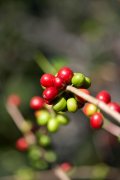
Arabica Coffee Bean Red Wine treatment Coffee production area introduces Colombian flavor
Arabica coffee accounts for about 65% and 80% of the world's coffee beans, and its excellent flavor and aroma make it the only coffee among these native species that can be drunk directly and alone. However, its resistance to drying, frost, diseases and insect pests is low, especially to the biggest natural enemy of coffee, leaf rust, so all producing countries are committed to improving varieties. For example, the well-known Sri
2016-04-18 Rabbi Coffee beans Red Wine processing Coffee producing area introduction Columbia Flavor
Coffee futures American type C futures Arabica coffee bean price trend quotation contract latest news
The American coffee bean futures business began with the New York Coffee Business in 1882, which added sugar futures contracts in 1916 and changed its name to New York Coffee and Sugar Trading. It was not until 1979 when it merged with the New York cocoa business that it became known to the giants as the New York coffee, sugar and cocoa business.
2023-01-06 Coffee knowledge coffee futures coffee encyclopedia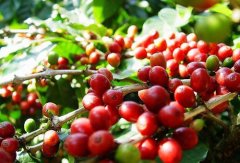
Arabica coffee accounts for about 65% and 80% of the world's coffee beans.
Arabica coffee accounts for about 65% and 80% of the world's coffee beans, and its excellent flavor and aroma make it the only coffee among these native species that can be drunk directly and alone. However, its resistance to drying, frost, diseases and insect pests is low, especially to the biggest natural enemy of coffee, leaf rust, so all producing countries are committed to improving varieties. For example, it is well known that
2016-06-01 All over the world coffee beans rabbis growers coffee about 65% 80% the whole world.
The smell and aroma of Java coffee, the taste of manor boutique coffee.
Java produces only a small amount of Arabica beans, most of which were imported from Africa after the rust disaster. This coffee has a strong bitter taste after roasting, but the aroma is extremely light. Although the acidity is low and the taste is delicate, it is rarely used for direct drinking. It is often used to mix mixed coffee or to make instant coffee. Diseases and insect pests are really a powerful thing, it makes Pakistan
2016-09-18 Send out smell aroma Java coffee flavor taste manor boutique
Kenyan Coffee Flavor of Jiatugi processing Plant in Nyeri production area of Kenya
According to botanists in SL laboratory, SL28 and SL34 are genetic variants. Among them, SL28 has a mixed pedigree of French missionaries, mochas and Yemens Tibica. The goal of cultivating SL28 was to mass produce coffee beans with high quality and resistance to diseases and insect pests. Although the later production of SL28 was not as large as expected, copper leaves and broad bean-shaped beans were very popular.
2016-05-18 Kenya Nyeri producing area Home Tuji Gatugi processing Plant Coffee
Washing AA quality coffee beans from Jiatugi treatment plant in Nyeri production area of Kenya
According to botanists in SL laboratory, SL28 and SL34 are genetic variants. Among them, SL28 has a mixed pedigree of French missionaries, mochas and Yemens Tibica. The goal of cultivating SL28 was to mass produce coffee beans with high quality and resistance to diseases and insect pests. Although the later production of SL28 was not as large as expected, copper leaves and broad bean-shaped beans were very popular.
2016-05-10 Kenya Nyeri producing area home Tuji Gatugi treatment plant washing
Analysis on the treatment process of coffee beans which is better by washing coffee or drying coffee
1. Peeling removes the peel and most of the flesh by mechanical or manual means. two。 Fermentation removes the mucus and film from the core by fermentation. as the length of fermentation time will affect the flavor of coffee, each manufacturer has its own fermentation time. 3. The drying method is mainly divided into natural sun drying and natural air drying. Excessive water content can easily lead to mildew and insect growth of raw coffee beans.
2015-11-04 Coffee washing drying which coffee beans treatment process analysis peeling utilization
Coffee Bean Manor Huilan Lerusa Manor, Colombia
Manor basic information origin: Colombia Huilan Lerusa Manor Tree species: old varieties Bobang 60%, Tibica 40% altitude: 1550 meters taste: sweet pulp, mellow, depth, excellent sense of balance the manor does not use a high-speed and convenient dryer, but uses the traditional SUN DRY drying method, acid and alcohol bitterness get the greatest concentration and sublimation. The highest grade in Huilan District, a famous place in Colombia.
2015-02-15 Coffee beans Manor Columbia Huilan amp #12539 Le Liu Chuang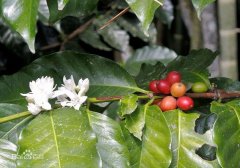
Nyeri Central Dashan area of Jiatugi processing Plant in Nyeri production area of Kenya
According to botanists in SL laboratory, SL28 and SL34 are genetic variants. Among them, SL28 has a mixed pedigree of French missionaries, mochas and Yemens Tibica. The goal of cultivating SL28 was to mass produce coffee beans with high quality and resistance to diseases and insect pests. Although the later production of SL28 was not as large as expected, copper leaves and broad bean-shaped beans were very popular.
2016-07-08 Kenya Nyeri producing area home Tuji Gatugi processing plant central
Coffee basics espresso Coffee Bean Source
Espresso commonly used beans we know that coffee beans are generally divided into Arabica and Robusta, the former is usually more advanced, the latter is promoted because the latter is easy to feed, like weeds with strong vitality. The former is not only usually raised at high elevations, but also vulnerable to insect pests. Robusta is usually the main ingredient of instant coffee.
2014-12-05 Coffee Basics Common sense espresso Coffee beans Source espre
Boutique coffee bean espresso coffee bean source
Espresso commonly used beans we know that coffee beans are generally divided into Arabica and Robusta, the former is usually more advanced, the latter is promoted because the latter is easy to feed, like weeds with strong vitality. The former is not only usually raised at high elevations, but also vulnerable to insect pests. Robusta is usually the main ingredient of instant coffee.
2014-10-15 Coffee knowledge boutique coffee beans Espresso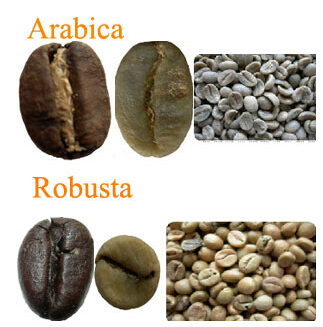
What's the difference between Arabica and Robusta Arabica coffee beans
In many places where coffee is sold, it is not difficult to find words like "100% Arabica". Even canned coffee appears in a style called "XX Arabica Coffee", which makes one wonder: what is "Arabica Coffee"? In fact, Arabica is the name of the coffee tree variety (species). "Coffea Arabica" and "Robbs"
2016-03-22 Rabbi Robbins Booth Coffee beans what different many sales Coffee Land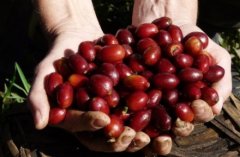
Coffee beans original Arabica, Robasta, Riperica, Exelsa
There are four original species of coffee: Arabica species in Ethiopia, Robasta and Riperica species in Congo, and Exelsa. The original species are used for breeding and research. So far, there are more than a hundred coffee varieties in the world, of which 76% are Arabica, and 24% are Robasta and Riperica. A: Arabica species (Arabica): at present
2015-01-04 Coffee beans original rabbi Robbas Buzz Rippe Rika Ike Sail Cha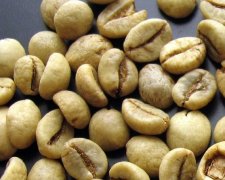
Robusta's secret.
[guide] "Robusta" coffee, commonly known as "thick beans", can be grown at low elevations (200 to 800 meters above sea level), has strong resistance to diseases and insect pests, is not vulnerable to agricultural pests, has a high annual output per unit area, and is harvested in large quantities by machine. in general, the cost of production is much lower than that of Arabica. "Robusta" coffee is commonly known as "stout beans", at low elevations (200 above sea level)
2015-11-13 Rob Booth unknown secret.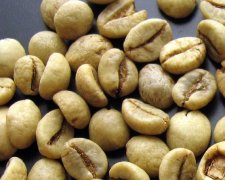
Robusta's secret.
[guide] "Robusta" coffee, commonly known as "thick beans", can be grown at low elevations (200 to 800 meters above sea level), has strong resistance to diseases and insect pests, is not vulnerable to agricultural pests, has a high annual output per unit area, and is harvested in large quantities by machine. in general, the cost of production is much lower than that of Arabica. "Robusta" coffee is commonly known as "stout beans", at low elevations (200 above sea level)
2015-11-13 Rob Booth unknown secret.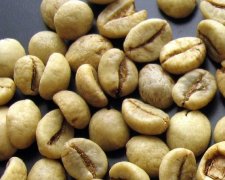
Robusta's secret.
[guide] "Robusta" coffee, commonly known as "thick beans", can be grown at low elevations (200 to 800 meters above sea level), has strong resistance to diseases and insect pests, is not vulnerable to agricultural pests, has a high annual output per unit area, and is harvested in large quantities by machine. in general, the cost of production is much lower than that of Arabica. "Robusta" coffee is commonly known as "stout beans", at low elevations (200 above sea level)
2015-11-13 Rob Booth unknown secret.
Introduction to all kinds of coffee beans
The largest producer of Arabica coffee is South America. Brazil, Colombia, Jamaica and other major coffee producing areas in the world, the variety produced is Arabica. In addition, it is also planted in Ethiopia, Tanzania, Angola, Kenya, Papua New Guinea, Hawaii, the Philippines, India, Indonesia and other places. Robusta (Robusta):
2016-05-31 Various coffee beans species introduction rabbi coffee large origin South America region
The knowledge of round beans, also known as male beans (Peaberry) in coffee beans is good or bad
Peaberry or caracoli is a variety of coffee beans. In fact, male beans are a defect, officially speaking, coffee beans that cannot develop normally. The causes are usually insect damage, drought, or malnutrition of coffee trees. Under normal circumstances, the fruit of the coffee tree contains two coffee beans, each of which is flat and hemispherical.
2015-12-05 Peaberry coffee bean sort of or
The most basic knowledge that should be understood-- the three native beans of coffee
Coffee three primary bean species Arabica species (arabica): the origin of Ethiopia, equivalent to the rich and handsome coffee beans, is a precious coffee bean species. It is planted at an altitude of 700-2000 meters, accounting for 75-80% of the world coffee production. It has excellent flavor and aroma, low caffeine content, about 1-1.5% of its weight, but for dryness, frost damage and disease.
2016-09-05 Most should understand basic knowledge coffee three original bean seed
The best coffee in the world
When tasting single-origin coffee, you will see some information about the variety in addition to the country of origin, production area and geographical and climatic conditions. Arabica, Robosta, Bourbon, etc. For coffee flavor, of course, the difference in the production area is relatively large. Variety differences become interesting when discussing the variety of beans produced in the same region.
2014-11-19 Coffee knowledge Fine coffee learning Coffee varieties