“inhalation” search results (268)

Six steps to evaluate coffee cups
There are six steps in coffee cup evaluation, describing the aroma, aroma, taste, smell, aftertaste and mellowness of coffee.
2014-05-12 Coffee knowledge
There are six steps in coffee cup evaluation.
There are six steps in coffee cup evaluation, describing the aroma, aroma, taste, smell, aftertaste and mellowness of coffee.
2014-06-25 Coffee knowledge coffee tasting coffee cup evaluation
Introduction of Uganda Coffee Estate Varieties with Similar Flavors
Uganda is mostly located in the Central African Plateau, with many lakes, with an average altitude of 1000-1200 meters. There are many intermountain lakes and plateaus, which are known as plateau water towns. The western branch of the Great Rift Valley runs through the western border, and there are many rivers and lakes at the bottom of the valley. Uganda has a Victoria Lake, coupled with many mountains in the territory, making Uganda, although across the equator, but mild climate, suitable for coffee cultivation. Uganda is right and wrong
2016-09-18 have approximate taste Uganda coffee estate region variety characteristics presentation
Drink more coffee easy to lack calcium how to improve ability not lack calcium?
Calcium is a very important part of the human body, and pregnant women are a special period, so calcium supplements are particularly important, and there are many ways for pregnant women to supplement calcium. They can take calcium tablets directly or get them from food.
2015-06-23 Drink more coffee easy lack of calcium how good talent can not
Six steps to identify coffee
1. Fragrance: the first step in cup evaluation is to evaluate the aroma of coffee beans. Grind 10 grams of coffee, put it in 3-5 sample cups, and then breathe hard at the gas released by the freshly crushed coffee cells. The characteristics of the aroma indicate the essence of the taste of coffee beans: the sweet smell indicates that its taste is sour; the pungent smell indicates that its taste is irritating. The power of aroma
2014-07-15 Coffee knowledge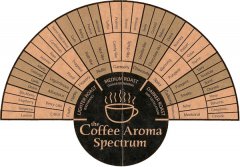
SCAA coffee cup testing process
1. Fragrance: the first step in cup evaluation is to evaluate the aroma of coffee beans. Grind 10 grams of coffee, put it in 3-5 sample cups, and then breathe hard at the gas released by the freshly crushed coffee cells. The characteristics of the aroma indicate the essence of the taste of coffee beans: the sweet smell indicates that its taste is sour; the pungent smell indicates that its taste is irritating. The power of aroma
2014-07-02 Coffee knowledge SCAA coffee cup test coffee encyclopedia
Drinking more coffee is easy to lack calcium. How to improve it so as not to lack calcium?
Calcium is a very important part of the human body, and pregnant women are a special period, so calcium supplements are particularly important, and there are many ways for pregnant women to supplement calcium. They can take calcium tablets directly or get them from food.
2015-08-04 Drink more coffee easy lack of calcium how good talent can not
Drinking more coffee is easy to lack calcium. How to improve it so as not to lack calcium?
Calcium is a very important part of the human body, and pregnant women are a special period, so calcium supplements are particularly important, and there are many ways for pregnant women to supplement calcium. They can take calcium tablets directly or get them from food.
2015-08-25 Drink more coffee easy lack of calcium how good talent can not
Six steps of coffee cup evaluation
The six steps of coffee cup evaluation describe the aroma, aroma, taste, smell, aftertaste and mellowness of coffee. 1. Fragrance: the first step in cup evaluation is to evaluate the aroma of coffee beans. Grind 8.25 grams of coffee, put it in 3-5 sample cups, and then breathe hard at the gas released by the freshly crushed coffee cells. The characteristics of the aroma indicate the taste of coffee beans.
2014-09-10 Coffee cup review
Six steps to taste coffee
There are six steps in coffee cup evaluation, describing the aroma, aroma, taste, smell, aftertaste and mellowness of coffee. 1. Fragrance: the first step in cup evaluation is to evaluate the aroma of coffee beans. Grind 10 grams of coffee, put it in 3-5 sample cups, and then breathe hard at the gas released by the freshly crushed coffee cells. The characteristics of the aroma indicate the essence of the taste of coffee beans:
2014-08-13 Tasting coffee tasting coffee coffee encyclopedia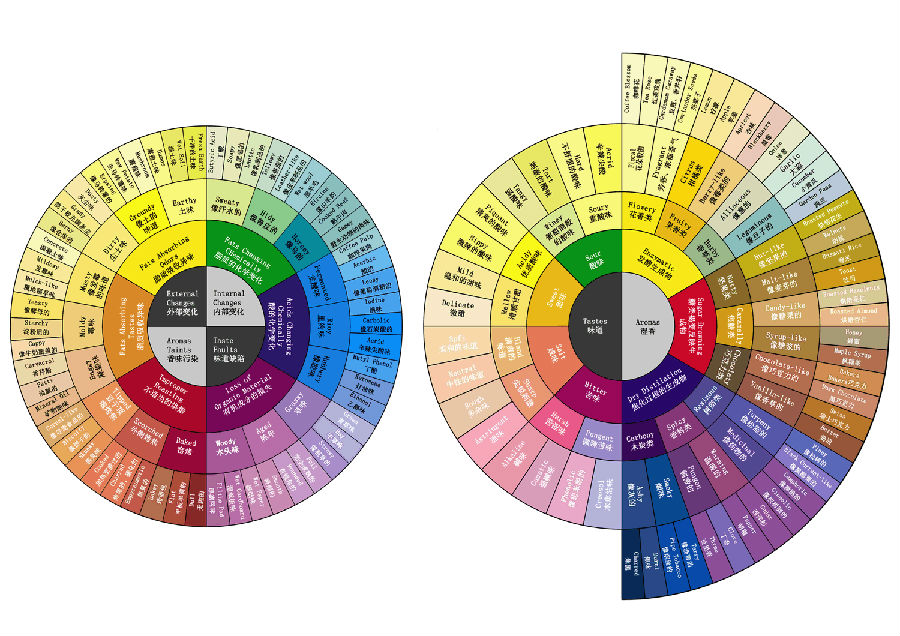
Technical Identification of Coffee: introduction of the Source, significance and main points of Coffee Cup Test
There is no better way to understand and explore the unique taste of coffee than a cup test. it can help you find out the differences between different coffees and figure out the characteristics of each coffee. Sometimes, after the cup tester becomes adept at focusing on the taste and taste of the coffee, you can see the nature of the coffee through its appearance. When comparing coffee from the same area, in order to identify
2015-12-14 Coffee technology identification coffee cup source significance main points introduction want understand
Coffee common sense SCAA coffee cup testing process
1. Fragrance: the first step in cup evaluation is to evaluate the aroma of coffee beans. Grind 10 grams of coffee, put it in 3-5 sample cups, and then breathe hard at the gas released by the freshly crushed coffee cells. The characteristics of the aroma indicate the essence of the taste of coffee beans: the sweet smell indicates that its taste is sour; the pungent smell indicates that its taste is irritating. The power of aroma
2014-09-23 Coffee knowledge SCAA coffee common sense coffee cup test
Six steps of coffee cup evaluation
There are six steps in coffee cup evaluation, describing the aroma, aroma, taste, smell, aftertaste and mellowness of coffee. 1. Fragrance: the first step in cup evaluation is to evaluate the aroma of coffee beans. Grind 10 grams of coffee, put it in 3-5 sample cups, and then breathe hard at the gas released by the freshly crushed coffee cells. The characteristics of the aroma indicate the essence of the taste of coffee beans:
2015-01-06 Boutique coffee tasting coffee cup step six steps description
Six Steps to Coffee Cup Evaluation
Coffee cup evaluation has six steps, describing coffee aroma, aroma, taste, smell, aftertaste and alcohol. Image: ab3a6c70gw1e5uo4ma2xzj20gj0a9gnf.jpg 1. Fragrance: The first step in cup evaluation is to evaluate the aroma of coffee beans. Grind 10 grams of coffee, place in 3 to 5 sample cups, and sniff vigorously the coffee released by the freshly ground coffee cells
2014-08-30 Tasting coffee cups
Coffee tasting, coffee cup evaluation, six steps
There are six steps in coffee cup evaluation, describing the aroma, aroma, taste, smell, aftertaste and mellowness of coffee. 1. Fragrance: the first step in cup evaluation is to evaluate the aroma of coffee beans. Grind 10 grams of coffee, put it in 3-5 sample cups, and then breathe hard at the gas released by the freshly crushed coffee cells. The characteristics of the aroma indicate the essence of the taste of coffee beans:
2014-09-19 Coffee knowledge coffee tasting coffee cup testing
SCAA Coffee Cup testing process introduction to Fine Coffee
1. Fragrance: the first step in cup evaluation is to evaluate the aroma of coffee beans. Grind 10 grams of coffee, put it in 3-5 sample cups, and then breathe hard at the gas released by the freshly crushed coffee cells. The characteristics of the aroma indicate the essence of the taste of coffee beans: the sweet smell indicates that its taste is sour; the pungent smell indicates that its taste is irritating. The power of aroma
2015-09-01 SCAA coffee cup process boutique coffee entry basics aroma Fra
Six steps of coffee tasting General knowledge of fine coffee
Coffee tasting has six steps to describe the aroma, aroma, taste, smell, aftertaste and mellowness of coffee. 1. Fragrance: the first step in tasting is to evaluate the aroma of coffee beans. Grind 8.25 grams of coffee, put it in 3-5 sample cups, and then breathe hard at the gas released by the freshly crushed coffee cells. The characteristics of the aroma indicate the taste of coffee beans.
2015-04-08 Coffee tasting six steps boutique common sense coffee
Can I put coffee powder in the refrigerator? how long can I keep coffee powder? how much coffee powder can I put in a cup of coffee?
Can coffee beans and coffee powder be refrigerated or frozen in the refrigerator? No! The biggest enemies of coffee beans are oxygen, moisture, light and heat. Coffee beans should be placed in an opaque and airtight ceramic container immediately after opening, and then placed in a dry and cool place. Do not use plastic or metal containers to prevent coffee beans from inhaling the smell of plastic or metal. It is recommended that you only buy within two weeks at a time.
2016-07-16 Coffee powder yes refrigerator how long one cup coffee how much coffee beans coffee powder
Drinking more coffee is easy to lack calcium. How to improve it so as not to lack calcium?
Drinking more coffee is easy to lack calcium how to improve the lack of calcium (Oriental IC) calcium is a very important part of the human body, pregnant women is a more special period, so calcium supplement is particularly important, and pregnant women have more methods of calcium supplement, you can take calcium tablets directly, or you can get them from food.
2015-04-29 Drink more coffee easy lack of calcium how good talent can not
SCAA coffee cup testing process Coffee Flavor Coffee aroma, aroma, taste and aftertaste introduction
1. Fragrance: the first step in cup evaluation is to evaluate the aroma of coffee beans. Grind 10 grams of coffee, put it in 3-5 sample cups, and then breathe hard at the gas released by the freshly crushed coffee cells. The characteristics of the aroma indicate the essence of the taste of coffee beans: the sweet smell indicates that its taste is sour; the pungent smell indicates that its taste is irritating. The power of aroma
2016-01-15 SCAA coffee cup process coffee flavor aroma taste aftertaste