“inferior” search results (1676)
Global boutique coffee list single coffee boutique coffee
1. "Blue Mountain 1" belongs to: Blue Mountain Coffee (Blue Mountain Coffee) Origin: Jamaica Island Blue Mountain Mountain level: top category: single coffee evaluation: ★ (5 star) Blue Mountain Coffee is undoubtedly one of the best coffee. The best blue mountain coffee beans are NO.1 peaberry, also known as pearl beans, which are carefully selected from products at an altitude of 2100 meters.
2015-11-03 Global boutique coffee ranking single item Blue Mountain 1 belongs to Blue M
Introduction to the coffee flavor and taste of the refreshing and elegant Paradise Bird Manor in Papua New Guinea
Papua New Guinea is an island country in the western South Pacific and a member of the Commonwealth. The name of the country consists of Papua and New Guinea. There are many small islands here, about 600 in size. It is adjacent to Indonesia and Australia to the south. It belongs to the Asia-Pacific region, but it is a country in Oceania. Located in the tropical climate, high temperature and rainy. Rich and rich volcanic rock and soil
2016-09-03 Refreshing elegant Papua New Guinea Paradise Manor Coffee Flavor Taste
What are the advantages and disadvantages of instant coffee or instant coffee bag?
Recently, the editor received a lot of misunderstandings about earbags and instant coffee backstage. So today I'll tell you about the harm of instant solution and what the earbag is! The harm of instant coffee has been found by a large number of studies that proper drinking coffee is very beneficial to human health, but the coffee refers to freshly ground pure coffee, not the common instant coffee in our life.
2016-02-27 Instant coffee harmfulness and hanging earbags convenience too much health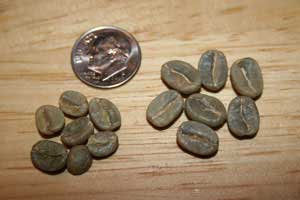
Knowledge points of Coffee Raw Bean: the concept of Fine Coffee Specialty Coffee (1)
The traditional classification of coffee beans is usually based on the classification criteria defined by the coffee producing countries, and then agreed to become common in the international market and traded under such a tacit understanding. For a long time, coffee producing countries have their own classification and evaluation criteria for coffee, which serve as the pricing guidelines in the coffee market. But slowly in recent years, coffee consuming countries have begun to demand unified evaluation criteria.
2015-12-18 Coffee raw beans knowledge essentials boutique Specialty Coffe
Introduction to the characteristics of the flavor and taste manor in the coffee producing area of Xidamo Shaqisuo, which is longer in Huigan.
Gima, which accounts for about 50 per cent of Ethiopia's annual output, grows between 4400 and 6000 feet above sea level in the country's southwestern highlands (the border between Kaffa and Illubabor provinces) and is usually exported to G5/G4. However, in recent years, about 10% or 20% of Gima has been used to make up for the lack of taste of coffee, but its quality has gradually declined to its own level, but for the purchase of
2016-08-09 Huigan long Dharma Shaquiso producing area Coffee Flavor Taste Manor characteristics
Factors affecting the taste of coffee
A cup of coffee, from the curl of aroma, extends to a variety of sour, bitter and astringent flavors, and ends with a long aftertaste, the middle taste is very subtle, and there are many reasons for this subtle taste. From a large point of view: among the factors that determine the taste of a cup of coffee: raw bean quality accounts for 60%, roasting accounts for 30%, extraction accounts for 10%. Just as there is no good.
2014-09-10 Coffee knowledge coffee taste coffee influencing factors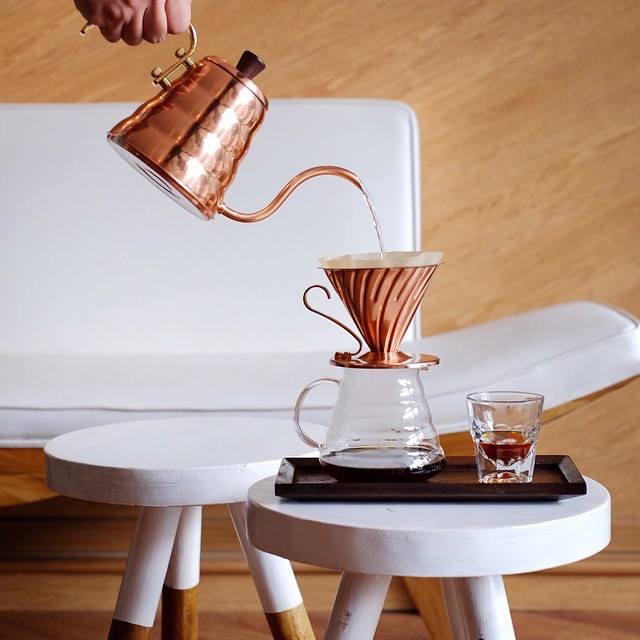
Seven factors affecting hand-brewed coffee
A good cup of hand-brewed coffee can taste different levels of details such as sour, fragrant and sweet. It is refreshing and burden-free. As long as you touch it, you can't extricate yourself from such meticulous flavor changes. And hand drip filter coffee has always played an indispensable role in single coffee, most of the products of single coffee are mainly hand drip filtration. First of all, the hand-dripping coffee is very
2015-09-06 Influence hand brewing coffee seven factors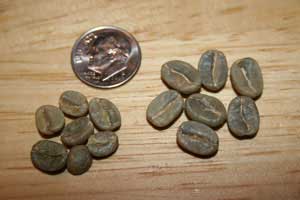
The concept of Fine Coffee Specialty Coffee (1) the third Wave of Coffee Culture and History in the World
The traditional classification of coffee beans is usually based on the classification criteria defined by the coffee producing countries, and then agreed to become common in the international market and traded under such a tacit understanding. For a long time, coffee producing countries have their own classification and evaluation criteria for coffee, which serve as the pricing guidelines in the coffee market. But slowly in recent years, coffee consuming countries have begun to demand unified evaluation criteria.
2016-01-23 Boutique Coffee Specialty concept World No.
Ethiopia coffee production area profile Ethiopia West Dharma
Harar/Sundried/Dry-Processed Harar is located in the Eastern Highlands of Ethiopia (Haredge Province) and grows at an altitude of 5,000 - 7,000 feet. It was still wild on hillsides a century ago. Most raw beans are medium in size and pointed at both ends. The color is green with yellow or gold. When baked, it has a strong chocolate smell.
2016-04-30 Ethiopia Coffee Major Region Profile Dharma Harar
Brief introduction of main producing areas of Ethiopian Coffee
Hara (Harar) / Solar or dried (Sundried/Dry-Processed) Hara is located in the Eastern Highlands of Ethiopia (Harerge Province) and grows between 5000 and 7000 feet above sea level. It was still wild on slopes a century ago. Most of the raw beans are medium size and have long tips at both ends, with a yellowish or golden green color and strong chocolate when baking.
2016-04-30 Ethiopia Coffee main producing area profile Hara Harar Solar
Several factors that mainly affect the taste of coffee
A cup of coffee, from the curl of aroma, extends to a variety of sour, bitter and astringent flavors, and ends with a long aftertaste, the middle taste is very subtle, and there are many reasons for this subtle taste. From a large point of view: among the factors that determine the taste of a cup of coffee: raw bean quality accounts for 60%, roasting accounts for 30%, extraction accounts for 10%. Just as there is no good.
2015-11-25 Main influence coffee taste several major factors a cup of coffee from there curl
A brief introduction to the main producing areas of delicious Ethiopian coffee
Hara (Harar) / Solar or dried (Sundried/Dry-Processed) Hara is located in the Eastern Highlands of Ethiopia (Harerge Province) and grows between 5000 and 7000 feet above sea level. It was still wild on slopes a century ago. Most of the raw beans are medium size and have long tips at both ends, with a yellowish or golden green color and strong chocolate when baking.
2016-05-03 Delicious Ethiopia coffee main producing area profile boutique coffee beans Hara
The reason why the basic knowledge of coffee affects the taste of coffee
A cup of coffee, from the curl of aroma, extends to a variety of sour, bitter and astringent flavors, and ends with a long aftertaste, the middle taste is very subtle, and there are many reasons for this subtle taste. From a large point of view: among the factors that determine the taste of a cup of coffee: raw bean quality accounts for 60%, roasting accounts for 30%, extraction accounts for 10%. Just as there is no good.
2015-01-19 Coffee basics common sense influence taste a cup of coffee from there curl spread
A brief introduction to the main producing areas of coffee beans in Ethiopia
Hara (Harar) / Solar or dried (Sundried/Dry-Processed) Hara is located in the Eastern Highlands of Ethiopia (Harerge Province) and grows between 5000 and 7000 feet above sea level. It was still wild on slopes a century ago. Most of the raw beans are medium size and have long tips at both ends, with a yellowish or golden green color and strong chocolate when baking.
2015-09-01 Coffee Origin Ethiopia Coffee beans main producing areas profile Hara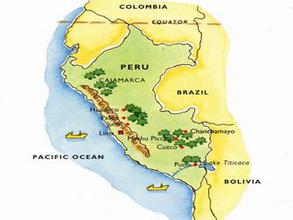
Peruvian Coffee beans Peruvian Macca Peruvian Coffee
The rising star of the coffee industry, Peruvian coffee as a rising star of the coffee industry, Peruvian coffee is gradually opening up its popularity and entering the international market. Peruvian coffee has always been used as one of the stable and mellow mixed beans of comprehensive coffee. Peruvian coffee has a mellow taste and the right acidity, and this lukewarm coffee attitude has made more and more people like it. Peru lies in the west of South America
2016-04-26 Peru coffee beans maca coffee brand origin introduction rising star
Peruvian Macca Coffee-- Peruvian Coffee imported from Peru
The rising star of the coffee industry, Peruvian coffee as a rising star of the coffee industry, Peruvian coffee is gradually opening up its popularity and entering the international market. Peruvian coffee has always been used as one of the stable and mellow mixed beans of comprehensive coffee. Peruvian coffee has a mellow taste and the right acidity, and this lukewarm coffee attitude has made more and more people like it. Peru lies in the west of South America
2016-04-26 Peru Marca coffee imports features strategies tourism rising stars secrets
Coffee making-Maple Coffee
If the combination of coffee and milk can no longer move you, try adding maple syrup. A cup of maple coffee is better than countless in the world this season.
2014-05-23 Coffee knowledge coffee making coffee training
The history of instant coffee
Instant coffee is not recognized by the traditional coffee industry in many cases because inferior coffee beans are often used in industrial production, and other harmful residues may be left in the production process.
2014-06-04 Coffee culture coffee knowledge instant coffee
Coffee, prunes, lemons and other acidic foods can eliminate bad breath
Sour foods such as prunes and lemons have the effect of alleviating bad breath. In ancient times, there was an allusion to "quenching thirst by looking at plum blossoms", that is, acidic food can promote saliva secretion and play an important role in preventing halitosis.
2014-06-11 Coffee lemon acidic foods halitosis
Global coffee producing area-Peru
Peru (Peru) is also a big coffee producer.
2014-06-17 Coffee knowledge coffee origin Peruvian coffee coffee encyclopedia