“inferior products” search results (800)
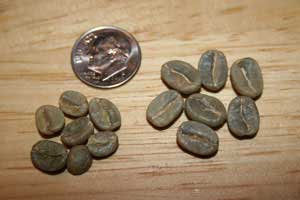
Knowledge points of Coffee Raw Bean: the concept of Fine Coffee Specialty Coffee (1)
The traditional classification of coffee beans is usually based on the classification criteria defined by the coffee producing countries, and then agreed to become common in the international market and traded under such a tacit understanding. For a long time, coffee producing countries have their own classification and evaluation criteria for coffee, which serve as the pricing guidelines in the coffee market. But slowly in recent years, coffee consuming countries have begun to demand unified evaluation criteria.
2015-12-18 Coffee raw beans knowledge essentials boutique Specialty Coffe
The basic knowledge of Mantenin in Indonesia the Origin of Gold Manning
Compared with Blue Mountain Coffee, Golden Manning is not inferior. Over the past two days, I have been searching the Internet for the origin of Golden Manning. After reading Rose's description of Golden Manning, I would like to know more about the origin of Golden Manning, why it is called Golden Manning, and its mysterious taste. This will be edited one by one for the curious you to answer it. Manning is not the name of the producing area.
2015-02-06 Nieman Tenin Basics Common sense Gold Mante Origin relative Blue Mountain Coffee
Basic introduction of Indonesia Manning Gold Manning Fine Coffee Manning Coffee characteristics Mann
Compared with Blue Mountain Coffee, Golden Manning is not inferior. Over the past two days, I have been searching the Internet for the origin of Golden Manning. After reading Rose's description of Golden Manning, I would like to know more about the origin of Golden Manning, why it is called Golden Manning, and its mysterious taste. This will be edited one by one for the curious you to answer it. Manning is not the name of the producing area.
2016-03-23 Nieman Tenin basic introduction Gold Mant Fine goods Coffee characteristics relative
Factors affecting the taste of coffee
A cup of coffee, from the curl of aroma, extends to a variety of sour, bitter and astringent flavors, and ends with a long aftertaste, the middle taste is very subtle, and there are many reasons for this subtle taste. From a large point of view: among the factors that determine the taste of a cup of coffee: raw bean quality accounts for 60%, roasting accounts for 30%, extraction accounts for 10%. Just as there is no good.
2014-09-10 Coffee knowledge coffee taste coffee influencing factors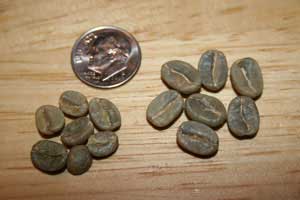
The concept of Fine Coffee Specialty Coffee (1) the third Wave of Coffee Culture and History in the World
The traditional classification of coffee beans is usually based on the classification criteria defined by the coffee producing countries, and then agreed to become common in the international market and traded under such a tacit understanding. For a long time, coffee producing countries have their own classification and evaluation criteria for coffee, which serve as the pricing guidelines in the coffee market. But slowly in recent years, coffee consuming countries have begun to demand unified evaluation criteria.
2016-01-23 Boutique Coffee Specialty concept World No.
Brief introduction of main producing areas of Ethiopian Coffee
Hara (Harar) / Solar or dried (Sundried/Dry-Processed) Hara is located in the Eastern Highlands of Ethiopia (Harerge Province) and grows between 5000 and 7000 feet above sea level. It was still wild on slopes a century ago. Most of the raw beans are medium size and have long tips at both ends, with a yellowish or golden green color and strong chocolate when baking.
2016-04-30 Ethiopia Coffee main producing area profile Hara Harar Solar
Introduction to the characteristics of the flavor and taste manor in the coffee producing area of Xidamo Shaqisuo, which is longer in Huigan.
Gima, which accounts for about 50 per cent of Ethiopia's annual output, grows between 4400 and 6000 feet above sea level in the country's southwestern highlands (the border between Kaffa and Illubabor provinces) and is usually exported to G5/G4. However, in recent years, about 10% or 20% of Gima has been used to make up for the lack of taste of coffee, but its quality has gradually declined to its own level, but for the purchase of
2016-08-09 Huigan long Dharma Shaquiso producing area Coffee Flavor Taste Manor characteristics
Several factors that mainly affect the taste of coffee
A cup of coffee, from the curl of aroma, extends to a variety of sour, bitter and astringent flavors, and ends with a long aftertaste, the middle taste is very subtle, and there are many reasons for this subtle taste. From a large point of view: among the factors that determine the taste of a cup of coffee: raw bean quality accounts for 60%, roasting accounts for 30%, extraction accounts for 10%. Just as there is no good.
2015-11-25 Main influence coffee taste several major factors a cup of coffee from there curl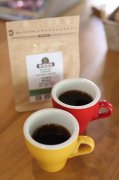
Human resources management and allocation of certified baristas to be run by the owner of the coffee shop
Lack of experience leads to poor customer experience, it is difficult to train regular customers; due to unprofessional, do not pay attention to quality, excessive cost control leads to inferior products, poor customer experience, and affect coffee shops irreparable business decision-making mistakes; seemingly inconspicuous problems like this actually exist in most coffee shops, today we are going to talk about hiring and managing staff in cafes. Usually coffee
2016-07-01 Manpower resource management configuration cafes shopkeepers documents coffee recruitment lack
How to choose coffee beans
What kind of raw beans are high quality raw beans? First look at the surface of the beans, fresh high-quality raw beans, shiny surface, in addition, processed good raw beans, uniform color, uneven surface color can not be called good beans, must choose uniform color when purchasing. Secondly, the particle size is consistent, which is also evidence of good quality management. Make sure the particle size is consistent when purchasing.
2014-09-19 Coffee encyclopedia choosing green coffee beans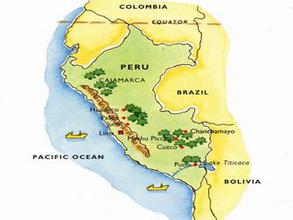
Peruvian Coffee beans Peruvian Macca Peruvian Coffee
The rising star of the coffee industry, Peruvian coffee as a rising star of the coffee industry, Peruvian coffee is gradually opening up its popularity and entering the international market. Peruvian coffee has always been used as one of the stable and mellow mixed beans of comprehensive coffee. Peruvian coffee has a mellow taste and the right acidity, and this lukewarm coffee attitude has made more and more people like it. Peru lies in the west of South America
2016-04-26 Peru coffee beans maca coffee brand origin introduction rising star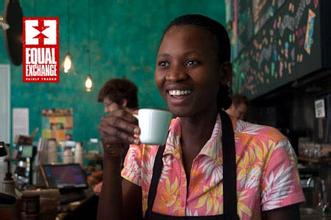
Peruvian Macca Coffee-- Peruvian Coffee imported from Peru
The rising star of the coffee industry, Peruvian coffee as a rising star of the coffee industry, Peruvian coffee is gradually opening up its popularity and entering the international market. Peruvian coffee has always been used as one of the stable and mellow mixed beans of comprehensive coffee. Peruvian coffee has a mellow taste and the right acidity, and this lukewarm coffee attitude has made more and more people like it. Peru lies in the west of South America
2016-04-26 Peru Marca coffee imports features strategies tourism rising stars secrets
A brief introduction to the main producing areas of delicious Ethiopian coffee
Hara (Harar) / Solar or dried (Sundried/Dry-Processed) Hara is located in the Eastern Highlands of Ethiopia (Harerge Province) and grows between 5000 and 7000 feet above sea level. It was still wild on slopes a century ago. Most of the raw beans are medium size and have long tips at both ends, with a yellowish or golden green color and strong chocolate when baking.
2016-05-03 Delicious Ethiopia coffee main producing area profile boutique coffee beans Hara
The reason why the basic knowledge of coffee affects the taste of coffee
A cup of coffee, from the curl of aroma, extends to a variety of sour, bitter and astringent flavors, and ends with a long aftertaste, the middle taste is very subtle, and there are many reasons for this subtle taste. From a large point of view: among the factors that determine the taste of a cup of coffee: raw bean quality accounts for 60%, roasting accounts for 30%, extraction accounts for 10%. Just as there is no good.
2015-01-19 Coffee basics common sense influence taste a cup of coffee from there curl spread
A brief introduction to the main producing areas of coffee beans in Ethiopia
Hara (Harar) / Solar or dried (Sundried/Dry-Processed) Hara is located in the Eastern Highlands of Ethiopia (Harerge Province) and grows between 5000 and 7000 feet above sea level. It was still wild on slopes a century ago. Most of the raw beans are medium size and have long tips at both ends, with a yellowish or golden green color and strong chocolate when baking.
2015-09-01 Coffee Origin Ethiopia Coffee beans main producing areas profile Hara
The history of instant coffee
Instant coffee is not recognized by the traditional coffee industry in many cases because inferior coffee beans are often used in industrial production, and other harmful residues may be left in the production process.
2014-06-04 Coffee culture coffee knowledge instant coffee
Brief introduction of instant coffee
Instant coffee is a brewing drink made from coffee beans.
2014-07-23 Coffee knowledge instant coffee coffee encyclopedia
Coffee knowledge What is caffeine?
Caffeine is a substance found in the leaves, roots and fruits of 100 plants found in nature, and is also a group of methylxanthines. Caffeine generally comes from coffee, cola nuts and tea leaves. Caffeine is also used in energy drinks and medicines for colds and flu. Coffee and tea also contain other dimethylxanthine theophylline. Theophylline is similar to coffee.
2014-12-29 boutique coffee knowledge what caffeine lies nature 100
Boutique Coffee learn Coffee Common sense what is caffeine?
What is caffeine? Caffeine is a substance found in the leaves, roots and fruits of 100 plants in nature. it is also a mixture of methylxanthine. Caffeine usually comes from coffee, dimethoate and tea. Caffeine is also used in energy drinks and drugs to treat colds and flu. Coffee and tea also contain other dimethylxanthine theophylline. Tea
2015-09-10 Boutique coffee common sense what caffeine in nature.
What is caffeine? The basic knowledge of introduction to Coffee
What is caffeine? Caffeine is a substance found in the leaves, roots and fruits of 100 plants in nature. it is also a mixture of methylxanthine. Caffeine usually comes from coffee, dimethoate and tea. Caffeine is also used in energy drinks and drugs to treat colds and flu. Coffee and tea also contain other dimethylxanthine theophylline. Tea
2015-09-23 What caffeine coffee introduction basics common sense what is since