“incredible” search results (691)
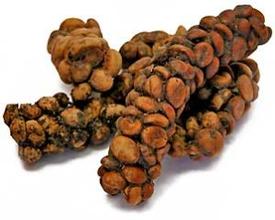
Civet Coffee introduction to the latest Coffee introduction to Kopi Luwak
Kopi Luwak is produced by the feces of Indonesian coconut cats (a kind of civet) as raw materials, so it is called Kopi Luwak. This kind of animal mainly feeds on coffee beans. After completing fermentation in the coconut cat's stomach, it destroys proteins, produces short peptides and more free amino acids, reduces the bitterness of coffee, and then excretes feces as the main raw material. Because coffee beans cannot be digested, they will be
2015-12-14 Musk coffee latest profile cat shit introduction is made by Indonesia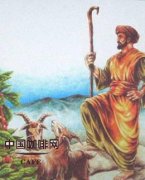
How do coffee beans come from? The story of the Arab monk and the shepherd
Legend 1: The story of the shepherd Legend has it that around the tenth century AD, on the Ethiopian plateau in Africa, there was a shepherd Carl, who one day saw goats suddenly appear extremely excited and excited. He thought it was strange, and after careful observation, he found that these sheep were excited by eating some kind of red fruit. Carl tasted it curiously.
2015-11-06 coffee beans how arabic monk shepherd human story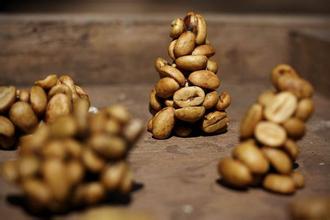
Kopi Luwak civet coffee boutique coffee beans introduce unique flavor mellow taste
Kopi Luwak is produced by the feces of Indonesian coconut cats (a kind of civet) as raw materials, so it is called Kopi Luwak. This kind of animal mainly feeds on coffee beans. After completing fermentation in the coconut cat's stomach, it destroys proteins, produces short peptides and more free amino acids, reduces the bitterness of coffee, and then excretes feces as the main raw material. Because coffee beans cannot be digested, they will be
2016-01-08 Cat poop coffee musk boutique coffee beans introduction flavor unique taste mellow
The Origin of Kopi Luwak espresso caffeine
The civet likes to choose the most ripe, sweet, juicy coffee fruit in the coffee tree as food. The coffee fruit passes through its digestive system, and only the pulp on the outside of the fruit is digested, and the hard coffee beans are then excreted intact by the civet's digestive system. In this way, in the process of digestion, there are unparalleled magical changes in the flavor of coffee beans.
2016-06-07 Cat shit coffee origin Italian amp #160 caffeine musk like
European coffee culture
When Europeans first came into contact with coffee, they called this tempting drink Arabica, and when conservative Catholics cursed coffee as the drink of Satan, they never thought what a precious thing they had inherited from pagans. Now in Europe, coffee culture can be said to be a very mature cultural form, from coffee into
2014-08-04 Europe coffee culture Europeans first time touch coffee time they this
Coffee Encyclopedia-- tracing to the Source of Coffee
One: the story of the shepherd there are several legends about the origin of coffee, of which the more familiar is the story of the shepherd: according to Rothschild, a Roman linguist. Records of Neroy (1613-1707): around the sixth century, when Kardai, an Arab shepherd, was herding sheep to the Isobian prairie, he was extremely excited and excited to see each goat.
2014-07-25 Coffee knowledge coffee origin coffee encyclopedia coffee source tracing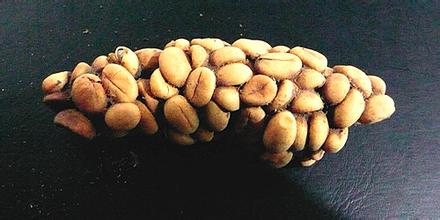
Boutique coffee bean musk cat coffee introduces unique flavor
Civet Coffee (Kopi Luwak), native to Indonesia. It is one of the most expensive coffee in the world, with a price of several hundred dollars per pound. It is extracted from the feces of the civet and processed. The civet eats the ripe coffee fruit and is excreted through the digestive system. After it is fermented through the stomach, the coffee produced has a special taste and has become a grab in the international market.
2015-12-06 Boutique coffee beans musk coffee introduction flavor unique cat shit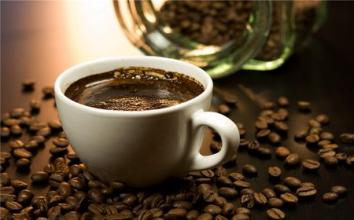
Indonesian civet coffee selection Kopi Luwak
Civet Coffee (Kopi Luwak), native to Indonesia. It is one of the most expensive coffee in the world, with a price of several hundred dollars per pound. It is extracted from the feces of the civet and processed. The civet eats the ripe coffee fruit and is excreted through the digestive system. After it is fermented through the stomach, the coffee produced has a special taste and has become a grab in the international market.
2015-11-20 Indonesia Musk Coffee selection Cat shit produced in
The Source of Coffee the Story of the Shepherd
One: the story of the shepherd there are several legends about the origin of coffee, of which the more familiar is the story of the shepherd: according to Rothschild, a Roman linguist. Records of Neroy (1613-1707): around the sixth century, when Kardai, an Arab shepherd, was herding sheep to the Isobian prairie, he was extremely excited and excited to see each goat.
2015-04-16 Coffee traceability Shepherd Human Story one about
The Origin of Coffee: the Story of Shake Omar
One: the story of the shepherd there are several legends about the origin of coffee, of which the more familiar is the story of the shepherd: according to Rothschild, a Roman linguist. Records of Neroy (1613-1707): around the sixth century, when Kardai, an Arab shepherd, was herding sheep to the Isobian prairie, he was extremely excited and excited to see each goat.
2015-09-12 Coffee traceability Shack Omar Story one Shepherd Human about
Introduction to the flavor of Kopi Luwak Manor in Indonesia
Kopi Luwak is produced by the feces of Indonesian coconut cats (a kind of civet) as raw materials, so it is called Kopi Luwak. This kind of animal mainly feeds on coffee beans. After completing fermentation in the coconut cat's stomach, it destroys proteins, produces short peptides and more free amino acids, reduces the bitterness of coffee, and then excretes feces as the main raw material. Because coffee beans cannot be digested, they will be
2016-07-13 Indonesia Cat poop Coffee Manor producing area Flavor introduction Fuyin Cat shit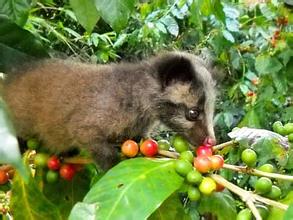
Civet coffee boutique coffee beans the latest coffee flavor introduction is full of taste
Kopi Luwak is produced by the feces of Indonesian coconut cats (a kind of civet) as raw materials, so it is called Kopi Luwak. This kind of animal mainly feeds on coffee beans. After completing fermentation in the coconut cat's stomach, it destroys proteins, produces short peptides and more free amino acids, reduces the bitterness of coffee, and then excretes feces as the main raw material. Because coffee beans cannot be digested, they will be
2016-01-09 Musk coffee boutique coffee beans latest flavor introduction taste full cat shit
Introduction to Indonesian Coconut Cat (Musk Cat) of Kopi Luwak
Kopi Luwak is produced by the feces of Indonesian coconut cats (a kind of civet) as raw materials, so it is called Kopi Luwak. This kind of animal mainly feeds on coffee beans. After completing fermentation in the coconut cat's stomach, it destroys proteins, produces short peptides and more free amino acids, reduces the bitterness of coffee, and then excretes feces as the main raw material. Because coffee beans cannot be digested, they will be
2016-06-17 Cat shit coffee Indonesia coconut musk introduction cat shit is made by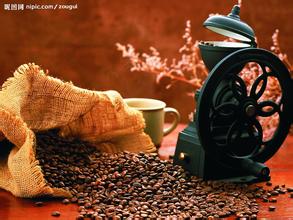
Coffee Origin what is Coffee Culture
Africa is the hometown of coffee. Coffee trees are probably the coffee culture found in Ethiopia's KAFFA province. Later, batches of slaves were sold from Africa to Yemen and the Arabian Peninsula, and coffee was taken everywhere along the way. To be sure, Yemen started growing coffee in the 15th century or earlier. Although the Arabs had at that time
2016-05-23 Coffee origin what coffee culture Africa coffee hometown probably is in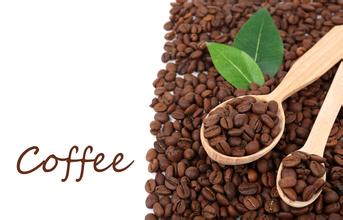
The Origin of Kopi Luwak the origin of Kopi Luwak
Kopi Luwak, produced in Indonesia, is one of the most expensive coffee in the world. Kopi Luwak is just another name. Its official name is Kopi Luwak,Kopi, which means coffee in Indonesian, and Luwak is a wild animal called civet. The coffee brewed by Kopi Luwak is as thick as syrup with an exclusive flavor and a hint of mint in the mouth. The output of Kopi Luwak is very small, and
2016-05-08 Cat shit coffee origin cat shit produced in Indonesia all over the world expensive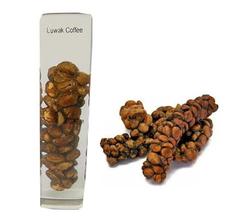
Civet coffee boutique coffee beans Indonesian coconut cat Kopi Luwak
Kopi Luwak is produced by the feces of Indonesian coconut cats (a kind of civet) as raw materials, so it is called Kopi Luwak. This kind of animal mainly feeds on coffee beans. After completing fermentation in the coconut cat's stomach, it destroys proteins, produces short peptides and more free amino acids, reduces the bitterness of coffee, and then excretes feces as the main raw material. Because coffee beans cannot be digested, they will be
2015-12-15 Musk coffee boutique coffee beans Indonesia coconut cat shit are made of
Taste Unique Ethiopian coffee plantation flavor characteristics Introduction
In Ethiopia, people take pride in coffee and see it as a gift to the world. To this day, many Ethiopian families still maintain the ritual of daily coffee celebrations, with the hostess of each family inviting family and neighbors for coffee more than once a day. In their view, this is a way to show friendship and respect. In Ethiopia, this amazing land, it's everywhere.
2016-08-11 Taste Unique Ethiopian Coffee Manor Region Flavor Characteristics Introduction
Legend of Coffee
Coffee legend coffee is one of the most popular drinks on our planet. A recent study claims that coffee is the most widely distributed and consumed liquid except water in the world. Goat coffee is more than just a drink. She is a memory, a kind of expectation. Coffee originated in Kaffa, Ethiopia, and later spread around the world, using its source.
2014-09-10 Coffee Legend Coffee Encyclopedia Coffee knowledge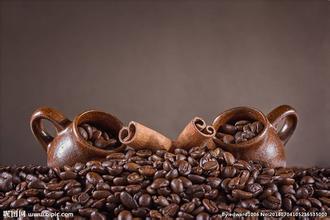
Introduction to Lazmus Manor of Colombian Coffee
Arabica species (scientific name Coffee Arabica) have to be mentioned in Colombian coffee species. Arabica coffee trees grow between 900m and 2000 m above sea level; they are hardy, and the suitable growth temperature is 1524 ℃; they need more humidity, and the annual rainfall is not less than 1500 ml. At the same time, they also require higher cultivation techniques and conditions. So you can handle it now.
2016-07-13 Columbia coffee type flavor taste introduction Raz Moss Manor Brother
Increasing tree planting in coffee plantations can increase the yield of coffee beans
Can you imagine planting some trees in your coffee garden, which may sound surprising, but studies have shown that planting a certain number of trees in your coffee garden can increase the number of birds and increase coffee production. Many coffee plantation owners know that one of the main risks of coffee is the coffee bark beetle, an insect that drills into the coffee beans and puts the eggs
2015-10-22 Coffee plantations increase trees planting can coffee beans yield