“hue” search results (351)

The origin of coffee consisting of fine coffee.
The coffee producing area where coffee beans are planted is a ring between the Tropic of Cancer, that is, a ring around the earth between latitudes 25 degrees north and south, called Coffee Zone or Coffee Belt. Because the region is rich in rich organic matter and volcanic ash soil, the average temperature is about 20 degrees, the average rainfall is between 1000 and 2000 mm, and there is no high temperature.
2015-07-06 Coffee composition boutique origin coffee coffee beans planting zone south
Coffee production process and Geoclimate in Rwanda
Maraba Coffee, the geographic and climatic editor, is grown in southern Rwanda, about 12km (7 miles) from the city of Butare and 150km (93 miles) from the capital, Gejali. The plan began in the Malaba area of Butare province, but was taken over by a local government organization in 2006, which is now part of the Huye district of the southern province. Due to its proximity to the East African Rift Valley and Neuenweisen,
2016-06-12 Rwanda Coffee production process Geography Climate Editor Malaba
Introduction to the ingredients of Coffee General knowledge of fine coffee beans
Caffeine is the most eye-catching of all the ingredients in coffee. It is a kind of phytoxanthin (animal muscle component). It has the same properties as theobromine contained in cocoa, green tea contains the same theophylline, and the percentage of reduction after baking is very small. Caffeine has a very extensive effect. It will affect various parts of the human brain, heart, blood vessels, gastrointestinal tract, muscles and kidneys, and the right amount of caffeine will.
2015-01-17 Coffee ingredients introduction boutique coffee beans common sense caffeine coffee all Cheng
What is the main ingredient of a cup of coffee? caffeine fat
Caffeine: caffeine is the most eye-catching of all the ingredients in coffee. It belongs to a kind of phytoxanthin (animal muscle component). It has the same properties as theobromine contained in cocoa, green tea contains the same theophylline, and the percentage of reduction after baking is very small. Caffeine has a very wide range of effects. will affect the human brain, heart, blood vessels, gastrointestinal, muscle and kidney and other parts, the right amount of coffee
2015-03-17 One cup single product coffee main ingredients what caffeine fat
What is Espresso?
What is Espresso? It is a coffee drink invented by MR.Gaggia, an Italian, and consumed in southern European countries such as Italy, Spain and Portugal for a long time. In order to distinguish this special coffee from other coffee, we call it espresso after the place where it was invented.
2014-07-18 Coffee knowledge Espresso Coffee Encyclopedia
The History and Culture of Chinese Coffee when was coffee introduced into Europe
In a Palestinian cafe in 1570, when Turkish troops besieged Vienna and failed to retreat, a bag of black seeds was found in the Turkish army barracks. No one knew what it was. A Polish man who had lived in Turkey took the bag of coffee and opened his first coffee shop in Vienna. At the end of the 16th century, coffee was passed in the name of Islamic wine.
2016-06-04 China coffee history and culture when was introduced Europe Palestine a family
Introduction to the composition of coffee what are the ingredients of coffee beans?
Caffeine is the most eye-catching of all the ingredients in coffee. It is a kind of phytoxanthin (animal muscle component). It has the same properties as theobromine contained in cocoa, green tea contains the same theophylline, and the percentage of reduction after baking is very small. Caffeine has a very extensive effect. It will affect various parts of the human brain, heart, blood vessels, gastrointestinal tract, muscles and kidneys, and the right amount of caffeine will.
2015-07-29 Coffee ingredients introduction coffee beans composition what caffeine coffee all Cheng
Nutritious and balanced Coffee Flavor description of Manor Ireta in Panama
Boot commented on this phenomenon: this is a combination of several factors: a unique forest climate, a lot of rainfall, cloud-shrouded forests. Because of this unique climate, we get a lot of planting materials, which create a very complex organic matter in the soil. Constant moisture helps these materials degrade, while hyperactive microbial bacteria create a
2016-10-08 Nutritious rich balanced Bana May Leita manor coffee flavor description
Selection and purchase of coffee pots and cups
Buy a coffee pot. Now the coffee pots on the market are all drip-type, and they are divided into Japanese style, American style and Italian style. The Japanese coffee maker, also known as the siphon pot, has an alcohol lamp on the base and two glass balls on it. It heats the water from the lower glass ball to produce steam, pushes the hot water from the lower sphere to the upper pot, and then sucks back the coffee extracted from the upper glass ball after the next pot cools. Use
2014-12-20 Boutique coffee common sense coffee maker coffee cup buy coffee pot now market
The advantages and disadvantages of coffee to wake up the brain to help the college entrance examination
The word coffee comes from a small town in Ethiopia called kaffa. In Greek, Kaweh means strength and passion. Coffee, tea and cocoa are called the three major beverage plants in the world. Daily coffee is made from coffee beans combined with a variety of cooking utensils, and coffee beans refer to the nuts in the fruit of coffee trees, which are roasted in an appropriate way.
2015-08-03 Coffee advantages and disadvantages moderate amount refreshing college entrance examination coffee the word comes from
The advantages and disadvantages of coffee to wake up the brain to help the college entrance examination
The word coffee comes from a small town in Ethiopia called kaffa. In Greek, Kaweh means strength and passion. Coffee, tea and cocoa are called the three major beverage plants in the world. Daily coffee is made from coffee beans combined with a variety of cooking utensils, and coffee beans refer to the nuts in the fruit of coffee trees, which are roasted in an appropriate way.
2015-08-26 Coffee advantages and disadvantages moderate amount refreshing college entrance examination coffee the word comes from
Geography and climate of coffee bean production process in Rwanda
Production process editors Coffee fruits the maximum harvest season for Rwandan coffee is during the main rainy season in the area, from March to the end of May. During the harvest season, farmers spend most of their day picking coffee fruits by hand. In the afternoon, farmers carry coffee fruits in traditional baskets made of banana leaves to a cleaning station a few hours away. The mechanic will do it by hand.
2016-05-31 Rwanda coffee beans production process geography climate editing coffee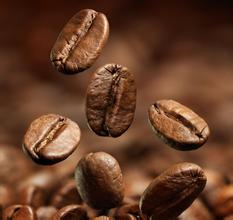
How to brew coffee beans the process from coffee beans to coffee
Coffee bean roasting is the process of converting raw beans into sugars and acids by means of specific equipment at high temperature. in this process, substances such as cellulose will be carbonized to varying degrees, water and carbon dioxide will volatilize, and the protein will be converted into enzymes, which combine with the rest of the fat to form an oil film on the surface of the coffee, and the coffee bean itself will also
2016-05-24 Coffee beans how coffee production process coffee beans roasting will raw beans use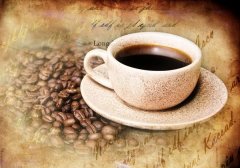
Coffee knowledge the origin of coffee
There is no way to find out the origin of coffee. One of the many legends refers to the highlands of Cafa province in southwestern Ethiopia. It is said that a shepherd became very excited and lively when he discovered that the sheep had eaten a plant more than a thousand years ago, so he discovered coffee. It is also said that due to a wildfire, a coffee forest was destroyed and the smell of barbecue coffee attracted the attention of the surrounding residents.
2014-09-19 Coffee knowledge coffee origin coffee encyclopedia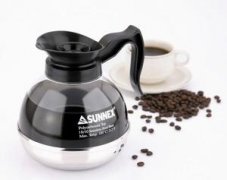
The main ingredient of coffee is caffeine.
Caffeine: caffeine is the most well-known of all elements of coffee. It is a kind of phytoxanthin (plant muscle component). Its quality is similar to theobromine in cocoa and theophylline in green tea, the percentage reduced after baking is very small, and caffeine is very popular. will affect the human brain, heart, blood vessels, gastrointestinal, muscle and kidney and other parts, too much coffee
2015-09-09 Coffee main ingredients Noodles caffeine all essential medium
Understanding the sensory characteristics of Espresso Coffee
The sensory characteristics of Espresso coffee the warm color of the foam, the strong and wonderful fragrance, the soft and smooth liquid like velvet, and the strong and persistent taste, all of which are presented in a well-brewed cup of espresso coffee, provide drinkers with the pleasure of smell, taste and vision. Only hearing is excluded from the multiple senses.
2014-08-28 Espresso making espresso Coffee making Coffee Encyclopedia
The selection and purchase of Coffee Pot and Coffee Cup
Buy a coffee pot. Now the coffee pots on the market are all drip-type, and they are divided into Japanese style, American style and Italian style. The Japanese coffee maker, also known as the siphon pot, has an alcohol lamp on the base and two glass balls on it. It heats the water from the lower glass ball to produce steam, pushes the hot water from the lower sphere to the upper pot, and then sucks back the coffee extracted from the upper glass ball after the next pot cools. Use
2015-05-18 Coffee basics common sense coffee maker coffee cup buy coffee pot now market
Basic knowledge of how to buy and clean coffee cups
When buying cups, most people are often unable to correctly distinguish the difference between coffee cups and black tea cups. Usually, in order to spread the aroma of black tea and appreciate the color of black tea, the bottom of the cup is lighter, the mouth is wider, and the light transmittance is higher, while the coffee cup has a narrower mouth, thicker material and low light transmittance. There are two kinds of coffee cups: pottery cup and porcelain cup.
2015-07-18 How to buy clean coffee cups basics common sense most people buy when often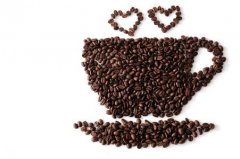
Coffee pot and coffee cup general knowledge of coffee purchase
Buy a coffee pot. Now the coffee pots on the market are all drip-type, and they are divided into Japanese style, American style and Italian style. The Japanese coffee maker, also known as the siphon pot, has an alcohol lamp on the base and two glass balls on it. It heats the water from the lower glass ball to produce steam, pushes the hot water from the lower sphere to the upper pot, and then sucks back the coffee extracted from the upper glass ball after the next pot cools. Use
2015-03-28 Coffee pot coffee cup shopping coffee common sense coffee pot now in the market on the surface
Roasting and storage of coffee beans how to use a manual coffee grinder
1. Raw beans: the raw coffee beans before stir-frying are only for the convenience of transshipment, without special packaging conditions, depending on the differences of each production area, out of economic and practical considerations, generally use 60 kg gunny bags for packaging, and then further processing after arriving at the destination. Of course, there will be some different packaging, such as Jamaica Blue Mountain is packed in 70kg wooden barrels. 2. Cooked beans:
2016-06-06 Coffee beans roasting way storage method how to use hand-shake coffee ground beans