“history of coffee development in China” search results (600)

When was coffee introduced into China? coffee development in China
In terms of natural conditions, many parts of China are very close to Latin America, South America, India, Indonesia and other places, with the congenital conditions of coffee cultivation, but the traditional culture and customs restrict the development of coffee in China. It was not until recent years that coffee was grown as more coffee entered the lives of ordinary Chinese people and with the impact of foreign culture and way of life.
2016-06-04 Coffee when introduced into China development natural conditions in terms of our country a lot
Fine coffee common sense suitable for Chinese own coffee
China is one of the world's four ancient civilizations, has a long history and culture, especially Chinese food culture is ancient. Chinese people's eating habits are different from those of other countries. They are quite particular about eating and drinking, and many foreign friends are quite interested in it. But today's China is constantly under the impact of foreign culture, in many ways, the Chinese people
2014-12-03 boutique coffee common sense fit chinese own country is world four big text
History of introduction and expansion of Coffee in China in the early stage of Coffee Development (5)
1. From the first peak period of the development of China's coffee industry (1952-1961) to the late 1940s, according to recorded figures, there are 2173.33 hectares of rubber plantations in Hainan Island, with a total of 867600 rubber trees, with an annual output of 199,000 tons of dry rubber, and more than 300,000 coffee plants. the annual output of coffee beans is 1 ton. According to a survey in the early 1950s, there was a large amount of coffee left in Fushan area of Chengmai County, with a total of 70,000.
2015-03-09 China coffee development course early stage introduction expansion
The encounter between Zhou Enlai and the Cafe of Flowers in Paris
The Flower Cafe, located at 172nd St. Germain Street in the sixth arrondissement of Paris, was built in 1887 because there was a statue of the ancient Roman goddess Flore in front of the door. (file photo) Planet Ye took out a map of Paris to mark the footprints of Zhou Enlai that year. Oral history narrator: Ye Planet Zhou Enlai, president of the French European History Society, in the 13th arrondissement of Paris in the 1920s.
2015-06-11 Zhou Enlai Paris Flower God Cafe meet
A Summary of the Development History of Coffee in Yemen
Coffee scientific name: Coffea arabica), also known as coffee tree, Arabica coffee, etc., is the national flower of Yemen. Before the 6th century in the park, Yemen was called Arab, so the coffee trees transported from them to other places were also called Arabian coffee trees. The name coffee comes from the Arabic Qahwah, which means plant drink. Later, the coffee spread all over the world, and it was picked.
2014-05-27 Coffee history coffee calendar
Yunnan small Coffee, known as "fragrant Coffee", introduces the characteristics of Alpine Arabica Coffee producing areas in Yunnan, China
Coffee is a kind of beverage crop with high economic value, which is called the three largest beverages in the world together with cocoa and tea, and its output and consumption ranks first among the three beverages. Coffee is rich in protein, fat, sucrose, starch, glucose, caffeine and other substances, rich aroma and delicious taste. Coffee belongs to the family Rubiaceae.
2023-03-13 Known as fragrant coffee Yunnan small grains coffee introduction producing area China a kind of
Coffee in Zhukula Village, Yunnan Province
When it comes to the history of Chinese coffee, we have to mention Yunnan Dali Zhukula Coffee, which plays a vital role in the history of Chinese coffee. The ancient coffee forest in Zhukula Village is a unique variety of small-grain coffee in Yunnan, which is very rare and of excellent quality, so it can be called the "living fossil" of Chinese coffee. We went to explore the century-old coffee legend of Zhukula village.
2014-08-06 Coffee Culture Yunnan Coffee Coffee from Zhukula Village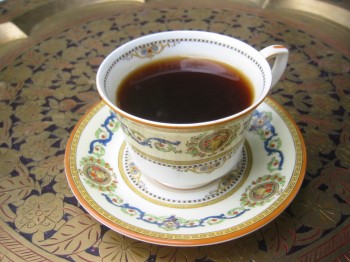
Zheng he's voyages to the West promoted the historical popularization and development of coffee in the world.
In the early days, coffee was a functional ingredient, and it was also a formula for doctors, which could not be used by ordinary people. it was not until after the 15th century that coffee was gradually turned into a civilian ingredient. Aestheticians who study the history of coffee development have noticed that the Ming Dynasty Emperor Tai Jun and the Arab countries near the sea were created by a large number of countries from 1405 to 1423. And phase
2015-11-26 China Zheng he the West entered the world coffee history popularization development early stage
History of introduction and expansion of Coffee in early China (5)
1. From the first peak period of the development of China's coffee industry (1952-1961) to the late 1940s, according to recorded figures, there are 2173.33 hectares of rubber plantations in Hainan Island, with a total of 867600 rubber trees, with an annual output of 199,000 tons of dry rubber, and more than 300,000 coffee plants. the annual output of coffee beans is 1 ton. According to a survey in the early 1950s, there was a large amount of coffee left in Fushan area of Chengmai County, with a total of 70,000.
2015-04-28 Early China coffee introduction expansion
Coffee Culture Coffee Culture Origin of Coffee Culture and Origin of Coffee Culture
In China, people like drinking coffee more and more. The coffee culture that follows is full of every moment of life. People are tasting coffee at home, in the office, or on various social occasions: it is gradually associated with fashion | modern life. Coffee houses everywhere have become good places for people to talk, listen to music and rest. Coffee gradually developed into a culture. None
2016-03-03 Coffee culture origin places history China people more and more love to drink coffee
Coffee Development the Development of Coffee in China
According to historical records, coffee was first planted in Taiwan in 1884, which opened the prelude to the development of coffee in China. The earliest coffee cultivation in mainland China began in Yunnan, when a French missionary brought the first coffee seedlings to Binchuan County in Yunnan Province at the beginning of the 20th century. In the following nearly a hundred years, coffee was only planted in the vast territory of China. However, in recent years
2014-09-22 Coffee culture coffee development coffee in China
China's first coffee bean inspection and quarantine industry standard issued
A (correspondent Wang Shiwei, Zheng Huifang) on September 2, the General Administration of quality Supervision, Inspection and Quarantine issued the "Inspection and Quarantine procedures for Export small Coffee beans", ending the history that there are no industry standards in the quality inspection of coffee beans in China. The coffee inspection and quarantine standards previously implemented in China have some problems, such as lack of systematicness, lack of pertinence, serious lag and so on, which seriously restrict the inspection and quarantine of coffee.
2015-09-23 China the first coffee beans inspection and quarantine industry standards release our news correspondent
Chinese Coffee Culture the Development of Coffee in China
In China, people like drinking coffee more and more. The coffee culture that follows is full of every moment of life. People are tasting coffee at home, in the office, or on various social occasions: it is gradually associated with fashion and modern life. Coffee houses everywhere have become good places for people to talk, listen to music and rest, and coffee has gradually developed into a culture.
2015-02-02 China coffee culture coffee development people more and more love to drink
The ancient coffee forest in China
With the unveiling of the mysterious veil of the century-old history of Chinese coffee, this unknown and isolated mysterious village has come into people's view for the first time. At the same time, Dehong Hougu Coffee Co., Ltd., the only national leading enterprise in China's coffee industry, took immediate action as soon as it was informed. Through a large number of investigations and visits, the representative of Hougu Coffee finally found the oldest in China.
2014-04-27 China some old coffee along with century history of development mystery
The introduction of Ruili Jingpo Nongxian coffee was recorded in 1914.
In April 1996, compiled by the compilation Committee of Ruili City Chronicles of Yunnan Province, the fifth coffee section on page 383 of Ruili City Chronicles published by Sichuan Dictionary Publishing House recorded that as early as 1914, the Jingpo nationality had been introduced from Myanmar to Nongxian Township for cultivation. The local series of books of the people's Republic of China, Records of Yunnan Province, Volume 39, Records of Land Reclamation, Chapter 3, Section 2, Coffee is recorded: the cultivation of coffee in China began in 1884.
2015-02-07 About Ruili Jingpeng coffee introduction 1914 records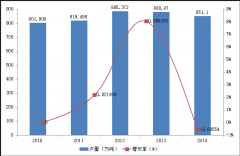
China is expected to become the most potential coffee consumer in the world.
Coffee, as a traditional western drink, has a long history and cultural heritage. The world consumes at least 400 billion cups of coffee every year, and the current annual global coffee consumption is about 10 million tons. Coffee is the first of the three largest drinks in the world, and it is also the second largest trading commodity in the world after oil. Shanpu consulting industry analyst pointed out that the world coffee consumption is about one year larger than cocoa and tea.
2015-07-23 China is expected to become the world with the most potential coffee consumption big country coffee.
The Integration of Coffee Culture and Film and Television Culture Coffee Culture Development
In the film, we can often see the hero and heroine sitting in the coffee shop tasting the full-bodied coffee, but it is rare to invest in the film and television culture in the coffee company of the film industry. The collaboration between El Coffee and the film Nunchaku is bound to become a bright spot in the history of China's coffee industry, and the film will be released in major cinemas across the country in March 2012. The movie nunchakus
2015-03-05 Coffee culture film and television culture integration coffee cultural development movies often see
The development of coffee in China, Rabica coffee.
According to historical records, coffee was first planted in Taiwan in 1884, which opened the prelude to the development of coffee in China. The earliest coffee cultivation in mainland China began in Yunnan, when a French missionary brought the first coffee seedlings to Binchuan County in Yunnan Province at the beginning of the 20th century. In the following nearly a hundred years, coffee was only planted in the vast territory of China. However, in recent years
2014-11-05 Coffee knowledge coffee development Arabica coffee
Do you really understand coffee?
Coffee, like Chinese tea, has its own history, which not only affects our lives, but also improves our taste and is also a part of the economy and trade. To understand coffee, we have to understand it from its origin, history, development and other aspects, and I'm not going to repeat it here.
2014-05-22 Coffee culture coffee knowledge
Chinese Coffee Culture the prelude to the Development of Coffee in China
According to historical records, coffee was first planted in Taiwan in 1884, which opened the prelude to the development of coffee in China. The earliest coffee cultivation in mainland China began in Yunnan, when a French missionary brought the first coffee seedlings to Binchuan County in Yunnan Province at the beginning of the 20th century. In the following nearly a hundred years, coffee was only planted in the vast territory of China. However, in recent years
2015-06-18 China coffee culture coffee development prologue historical materials records 1884