“hectares” search results (6451)

Introduction of Guatemalan Coffee beans
Coffee production in Guatemala has declined relatively, at 700kg per hectare, while that in El Salvador is 900kg per hectare and that in Costa Rica is even more astonishing, at 1700 kg per hectare. Guatemalan coffee exports are controlled by private companies, but the National Coffee Council (AsociacionNacionaldeCafe) controls other ministries of the coffee industry.
2016-05-09 Guatemala coffee beans introduction practice boutique coffee yes
Introduction to the coffee-growing area of Rwanda with 33000 hectares of coffee plantations
Coffee production in Rwanda: there are about 33000 hectares of coffee plantations in Rwanda and 500000 people are engaged in coffee cultivation. With the good natural conditions of high sea http://www.elsteak.com/ pull and fertile volcanic soil, the country's fertile soil and suitable climate are conducive to plant growth, and coffee trees seem to be driven or forced to grow upward, or because they grow too fast.
2016-06-30 33000 ha coffee plantation Rwanda planting area introduction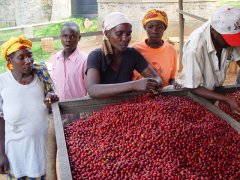
The yield of coffee in Vietnam is as high as 950 kilograms per hectare, and many newly planted coffee trees are from Japan.
Today's production power, tomorrow's production giant. Perhaps under the influence of French colonial rule, coffee grown in Vietnam has a French flavor. Arabica coffee was first brought to Vietnam by French missionaries. More than 400,000 coffee trees were introduced to Vietnam from 1865 to 1876 and were planted near Tonkin Bay, mostly Java or bourbon varieties. At present, coffee production in Vietnam is continuous.
2016-05-18 Vietnam coffee ha yield up to 950 kg many newly planted planted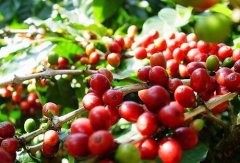
Boutique coffee beans at Diamond Hill Manor in Costa Rica
Costa Rican coffee cultivation was introduced by Cuba in 1779 and exported for the first time in 1820. There are about 32000 coffee farmers, with an average planting area of less than one hectare (10000 hectares) per farmer. Costa Rica has a population of 41 billion (2006), with a coffee planting area of 82500 hectares and an annual production of 1.7 million bags (60kgs per bag). The annual domestic consumption is 380000 bags.
2016-05-10 Costa Rica Stone Mountain Manor Fine goods Coffee beans Coffee planting
The Origin of Guatemalan Coffee beans
Coffee production in Guatemala has declined relatively, at 700kg per hectare, while that in El Salvador is 900kg per hectare and that in Costa Rica is even more astonishing, at 1700 kg per hectare. Guatemalan coffee exports are controlled by private companies, but the National Coffee Council (AsociacionNacionaldeCafe) controls other ministries of the coffee industry.
2016-05-09 Guatemala coffee beans origin boutique coffee in
Panamanian Coffee with excellent quality and Special Flavor introduction to FST San Teresa Manor of Baru Volcano
Elida Manor has a total area of 65 hectares, more than half of which are located within the Baru Volcano National Park, 30 hectares of the estate are planted with coffee trees, and the remaining 35 hectares are virgin forests. Coffee plantations range from 1670 to 1850 meters above sea level, making it one of the two highest coffee farms in Panama. (the other estate with these elevations should be located in the Vulcan Valley.
2016-06-28 Excellent quality Special Flavor Panama Coffee introduction Baru Volcano FS
Characteristics of Coffee Origin in Guatemala
Coffee production in Guatemala has declined relatively, at 700kg per hectare, while that in El Salvador is 900kg per hectare and that in Costa Rica is even more astonishing, at 1700 kg per hectare. The export of dangerous Dimara coffee is controlled by private companies, but the National Coffee Council (Asociacion Nacional de Cafe) controls the coffee industry.
2016-06-03 Guatemala coffee origin characteristics in output relative
Introduction of boutique Guatemalan coffee beans
Coffee production in Guatemala has declined relatively, at 700kg per hectare, while that in El Salvador is 900kg per hectare and that in Costa Rica is even more astonishing, at 1700 kg per hectare. The export of dangerous Dimara coffee is controlled by private companies, but the National Coffee Council (Asociacion Nacional de Cafe) controls the coffee industry.
2016-05-05 Boutique Guatemala coffee beans introduction in coffee production
The Origin of Guatemalan Coffee beans
Coffee production in Guatemala has declined relatively, at 700kg per hectare, while that in El Salvador is 900kg per hectare and that in Costa Rica is even more astonishing, at 1700 kg per hectare. The export of dangerous Dimara coffee is controlled by private companies, but the National Coffee Council (Asociacion Nacional de Cafe) controls the coffee industry.
2016-05-08 Guatemala coffee beans origin boutique coffee in
Flavor Origin of Guatemalan Coffee beans
Coffee production in Guatemala has declined relatively, at 700kg per hectare, while that in El Salvador is 900kg per hectare and that in Costa Rica is even more astonishing, at 1700 kg per hectare. The export of dangerous Dimara coffee is controlled by private companies, but the National Coffee Council (Asociacion Nacional de Cafe) controls the coffee industry.
2016-06-12 Guatemala coffee beans flavor origin in coffee output phase
Treatment methods of Guatemalan coffee beans
Coffee production in Guatemala has declined relatively, at 700kg per hectare, while that in El Salvador is 900kg per hectare and that in Costa Rica is even more astonishing, at 1700 kg per hectare. The export of dangerous Dimara coffee is controlled by private companies, but the National Coffee Council (Asociacion Nacional de Cafe) controls the coffee industry.
2016-06-08 Guatemala coffee beans treatment method in coffee production
Vietnam Coffee planting Environment, Flavor and Taste introduction to Vietnamese Fine Coffee
Coffee cultivation in Vietnam covers an area of about 500000 hectares, of which 10% are owned by state-owned enterprises and farms, and 85% by farmers and landowners. The scale of the manor is small, usually 2-5 hectares, and the large manor is about 30-50 hectares, but the number is small. Vietnamese coffee ranks second in all agricultural products exported from Vietnam, second only to rice. Every year, about 300000 farmers in Vietnam are engaged in coffee cultivation, with a labor force of 600000.
2016-07-14 Vietnam coffee planting environment flavor taste introduction boutique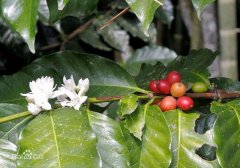
Washed coffee and ripe beans at Diamond Hill Manor in Costa Rica
Costa Rican coffee cultivation was introduced by Cuba in 1779 and exported for the first time in 1820. There are about 32000 coffee farmers, with an average planting area of less than one hectare (10000 hectares) per farmer. Costa Rica has a population of 41 billion (2006), with a coffee planting area of 82500 hectares and an annual production of 1.7 million bags (60kgs per bag). The annual domestic consumption is 380000 bags.
2016-05-08 Costa Rica Stone Mountain Manor Water washing Coffee cooked beans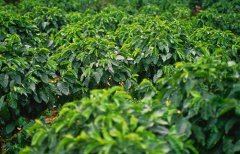
Costa Rican Diamond Hill Manor washed SHB Kaddura Fine Coffee American Coffee
Costa Rican coffee cultivation was introduced by Cuba in 1779 and exported for the first time in 1820. There are about 32000 coffee farmers, with an average planting area of less than one hectare (10000 hectares) per farmer. Costa Rica has a population of 41 billion (2006), with a coffee planting area of 82500 hectares and an annual production of 1.7 million bags (60kgs per bag). The annual domestic consumption is 380000 bags.
2016-07-07 Costa Rica Stone Mountain Manor Water washing SHB Dula Fine goods Coffee America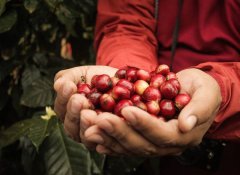
Costa Rica where coffee beans are grown in Central and South America.
Costa Rican coffee cultivation was introduced by Cuba in 1779 and exported for the first time in 1820. There are about 32000 coffee farmers, with an average planting area of less than one hectare (10000 hectares) per farmer. Costa Rica has a population of 41 billion (2006), with a coffee planting area of 82500 hectares and an annual production of 1.7 million bags (60kgs per bag). The annual domestic consumption is 380000 bags.
2016-05-07 Central and South America planting coffee beans origin suitable for Costa Rica Costa Rica
History and Culture of Coffee in Guatemala
Coffee production in Guatemala has declined relatively, at 700kg per hectare, while that in El Salvador is 900kg per hectare and that in Costa Rica is even more astonishing, at 1700 kg per hectare. The export of dangerous Dimara coffee is controlled by private companies, but the National Coffee Council (Asociacion Nacional de Cafe) controls the rest of the coffee industry.
2016-05-31 Guatemala coffee history and culture in output relative
Price of Honduran coffee beans taste of Honduran coffee
Coffee production in Guatemala has declined relatively, at 700kg per hectare, while that in El Salvador is 900kg per hectare and that in Costa Rica is even more astonishing, at 1700 kg per hectare. Guatemalan coffee exports are controlled by private companies, but the National Coffee Council (AsociacionNacionaldeCafe) controls other ministries of the coffee industry.
2016-05-08 Honduras coffee beans price coffee taste Guatemala in production
Introduction to the characteristics of coffee taste producing areas in Guatemala
Coffee production in Guatemala has declined relatively, at 700kg per hectare, while that in El Salvador is 900kg per hectare and that in Costa Rica is even more astonishing, at 1700 kg per hectare. The export of dangerous Dimara coffee is controlled by private companies, but the National Coffee Council (Asociacion Nacional de Cafe) controls the coffee industry.
2016-05-31 Guatemala coffee taste producing area characteristics introduction yes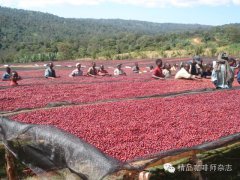
Costa Rica Diamond Hill Manor in Costa Rica washed SHB Kaddura boutique coffee beans
Costa Rican coffee cultivation was introduced by Cuba in 1779 and exported for the first time in 1820. There are about 32000 coffee farmers, with an average planting area of less than one hectare (10000 hectares) per farmer. Costa Rica has a population of 41 billion (2006), with a coffee planting area of 82500 hectares and an annual production of 1.7 million bags (60kgs per bag). The annual domestic consumption is 380000 bags.
2016-06-30 Costa Rica Costa Rica Stone Hill Manor Water washing SHB
Costa Rican Diamond Hill Manor boutique coffee beans Costa Rican coffee flavor Costa Rica
Costa Rican coffee cultivation was introduced by Cuba in 1779 and exported for the first time in 1820. There are about 32000 coffee farmers, with an average planting area of less than one hectare (10000 hectares) per farmer. Costa Rica has a population of 41 billion (2006), with a coffee planting area of 82500 hectares and an annual production of 1.7 million bags (60kgs per bag). The annual domestic consumption is 380000 bags.
2016-03-18 Costa Rica Stone Mountain Manor Fine goods Coffee beans Coffee Flavor Goth Dali