“gravity” search results (826)

Coffee extraction Coffee essence Coffee Cooking is classified into five categories
Following the war between water and coffee powder, coffee cooking is classified into five categories: steaming, pressurization, gravity, leaching, and ice brewing. The easiest way to brew is to put the coffee powder in the cup and put it in hot water. As it cools, the coffee powder will sink to the bottom of the cup. This is an old method, and it is still used in some parts of Indonesia today. Learn from it and don't eat it.
2015-09-11 Coffee extract essence method cooking classification five kinds follow coffee war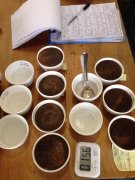
The way of coffee extraction the way of coffee extraction and its taste
According to the contact mode of water and coffee powder, coffee cooking can be classified into five categories: steaming, pressurization, gravity, leaching and ice brewing. The easiest way to cook is to put the coffee powder in the cup and add hot water. As it cools, the coffee powder will sink to the bottom of the cup. This is an old method, and it is still used in some parts of Indonesia. Be careful not to get to the bottom of the cup
2015-11-02 Coffee take way extract taste according to coffee contact cooking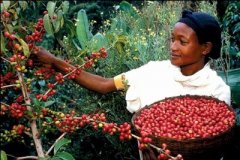
Kenya Coffee Kenya rating
Usually, Kenyan coffee is classified as follows: 1) Common categories: coffee fruits picked by hand, picked by hand, picked out immature fruit (unripe), overripe fruit (overripe) and other defects, peeled, after about 36 hours of fermentation, placed on a metal grid for sun drying, in the processing plant to remove the seed shell (parchment) to become a blue-green appearance
2016-06-03 Kenya coffee grade division usually classification as follows often
Classification of coffee classification steps of raw coffee after processing
Coffee beans that have been dried or fermented can be stored. At this time, the coffee beans lost most of their moisture, and there was a parchment-like coat on the outside. People in the coffee industry called this ad valorem coffee. This parchment coat needs to be removed before the coffee beans are exported; removal can be done with a pressing, rolling or shelling machine. Sometimes, coffee beans are polished before they are exported.
2014-09-13 Coffee knowledge coffee bean classification coffee encyclopedia
Fine coffee has "steaming powder not to grind too much".
It is generally regarded as. The coffee is grinded too much. The stronger the coffee will be. But if it's hand-held coffee. That's not necessarily. It may be counterproductive to grind too much if it is made by steaming secondary bubbles. Because. If you grind the coffee powder too hard. When steaming. The void in the coffee powder is more likely to be discharged. After the coffee powder absorbs water, the specific gravity will be higher than that of the coffee powder.
2014-10-24 Coffee knowledge boutique coffee science coffee technology do not grind too much steaming powder
The way to extract the essence of coffee the cooking of coffee is classified into five categories
According to the contact mode of water and coffee powder, coffee cooking can be classified into five categories: steaming, pressurization, gravity, leaching and ice brewing. The easiest way to cook is to put the coffee powder in the cup and add hot water. As it cools, the coffee powder will sink to the bottom of the cup. This is an old method, and it is still used in some parts of Indonesia. Be careful not to get to the bottom of the cup
2015-04-20 Extraction coffee essence way cooking classification five kinds according to contact
Roasting baking
The average chemical composition of raw coffee beans is as follows: water 12%, nitrogen 12%, fat 12%, sugar and dextrin (dextrine) 10%, other non-nitrogen substances 18%, dust 4%, tannin 6.7%, caffeine 1.2%, coffee essential oil 0.1%. Of course, these data are not fixed, and the quantity of some of these ingredients varies greatly, which is why each kind of coffee is so different.
2014-07-04 Roasted coffee beans primitive coffee beans common sense of coffee beans
Roasting roasted coffee
The average chemical composition of raw coffee beans is as follows: water 12%, nitrogen 12%, fat 12%, sugar and dextrin (dextrine) 10%, other non-nitrogen substances 18%, dust 4%, tannin 6.7%, caffeine 1.2%, coffee essential oil 0.1%. Of course, these data are not fixed, and the quantity of some of these ingredients varies greatly, which is why each kind of coffee is so different.
2014-09-28 Roasted coffee of coffee roasted coffee beans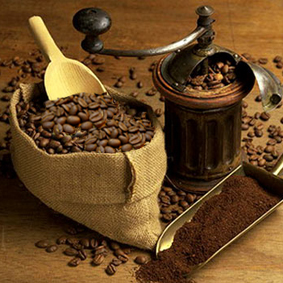
The way coffee is made, the use of coffee equipment, precautions for the use of mocha pots, electric coffee.
The method of making coffee the method of brewing coffee invented by the Germans. To put it simply, after grinding the coffee, put it in a funnel or add a layer of filter paper and pour hot water on top (the ideal water temperature is between 90C and 95C). Due to the gravity of the earth, the coffee will flow out from below. The amount of coffee is usually 7 to 10 grams of powder can make about a cup of 120ml. Siphon
2016-03-04 Coffee production mode equipment usage mocha pot use matters needing attention electric
The new Italian coffee maker can be used in space.
With the development of science and technology, many impossibilities will become possible. According to foreign media reports, two Italian companies have designed a unique coffee machine, which will be sent into space in November to allow the astronauts of the International Space Station to enjoy coffee. According to reports, Italian coffee merchants and Italian aerospace companies have jointly launched a 20-kilogram coffee machine, which will provide real Italian coffee for astronauts. This model is modified.
2015-08-18 Italy new type coffee machine can space use with technology development very
Kenyan grade coffee bean boutique coffee
Usually, Kenyan coffee is classified as follows: 1) Common categories: coffee fruits picked by hand, picked by hand, picked out immature fruit (unripe), overripe fruit (overripe) and other defects, peeled, after about 36 hours of fermentation, placed on a metal grid for sun drying, in the processing plant to remove the seed shell (parchment) to become a blue-green appearance
2016-06-08 Kenya grades divisions coffee beans boutique coffee usually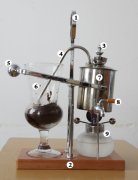
History and construction of Belgian royal coffee pot
The Belgian royal coffee pot got its name from the Belgian royal house when it was invented in the nineteenth century. Because of its exquisite structure and gorgeous appearance, it was deeply favored by the aristocrats at that time. To this day, the Belgian Royal Coffee Pot is still a craft. In China, we know and understand that Belgian royal coffee pots are more through Shangdao, Dio and Liang.
2014-07-28 Belgian Royal Coffee Maker Belgian Coffee Maker Coffee Maker Coffee Ware
Kenya Coffee Grade: Kenya AA
Kenyan coffee has many followers in the boutique coffee industry, and Kenyan AA has an extraordinary popularity. Usually, Kenyan coffee is classified as follows: 1) Common categories: coffee fruits picked by hand, picked by hand, picked out immature fruit (unripe), overripe fruit (overripe) and other defects, peeled, fermented for about 36 hours, and dried in the sun on a metal grid.
2014-09-03 Kenyan coffee
Coffee in space: NASA says there will be a 3D printed cup first
According to foreign media reports, in the microgravity space environment, it is quite difficult to drink coffee as elegantly as on the ground. Now NASA says that with this 3D printed coffee cup, it will be different. NASA says there's a 3D printed coffee cup, and astronauts on the space station have always had to put coffee or other drinks in IV bags to drink them, which is really tasteless.
2015-11-30 space coffee NASA have a print cup foreign media reporting microgravity
Classification of Kenyan coffee beans African boutique coffee
Usually, Kenyan coffee is classified as follows: 1) Common categories: coffee fruits picked by hand, picked by hand, picked out immature fruit (unripe), overripe fruit (overripe) and other defects, peeled, after about 36 hours of fermentation, placed on a metal grid for sun drying, in the processing plant to remove the seed shell (parchment) to become a blue-green appearance
2016-05-27 Kenya coffee beans grades divisions Africa boutique coffee usually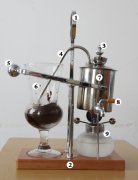
History and structure of the Royal Belgian Coffee Pot
The Belgian royal coffee pot got its name from the fact that it was specially used by the Belgian royal family when it was first invented in the 19th century. Because of its exquisite and ingenious structure and gorgeous appearance, it was favored by the aristocracy at that time. Today, the Belgian royal coffee pot is still a handicraft. In China, we know and learn more about the Belgian royal coffee pot through Shangdao, Diou and two.
2015-07-14 Belgium Royal Coffee maker History structure Coffee Pot named after
How to control the roasting degree of coffee beans
Coffee beans are roasted well, and the brewing method is also very important. Espresso is ideal for heavy-flavored deep-roasted coffee beans. It is made by pouring hot water into finely ground coffee beans and boiled under fine ground coffee and pressure rather than gravity. High pressure will completely emulsify the lipids inside the coffee and dissolve it into water, which is the main source of mellow flavor. At the same time, emulsification will make the coffee concentrate.
2016-06-04 Coffee beans roasting degree should how control coffee beans roast good flush
The method of cooking coffee
According to the contact mode between water and coffee powder, coffee cooking can be classified into five categories: "steaming method", "pressurization method", "gravity method", "leaching method" and "ice brewing method".
2014-06-24 Coffee knowledge coffee cooking coffee encyclopedia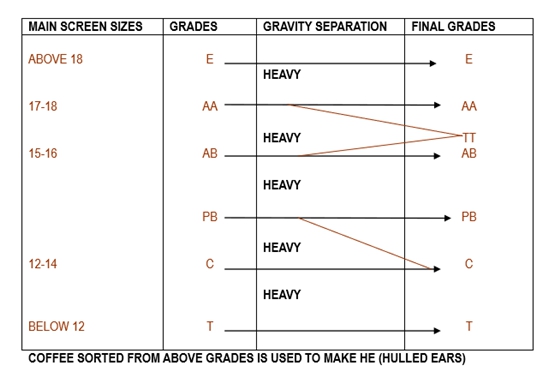
World boutique Coffee beans: Kenya Coffee Grade Kenya AA
Kenyan coffee has many followers in the boutique coffee industry, and Kenyan AA has an extraordinary popularity. Usually, Kenyan coffee is classified as follows: 1) Common categories: coffee fruits picked by hand, picked by hand, picked out immature fruit (unripe), overripe fruit (overripe) and other defects, peeled, fermented for about 36 hours, and dried in the sun on a metal grid.
2015-12-09 World boutique coffee beans Kenya coffee grade division Ken
An introduction to the Origin and Cultural course of Coffee beans in Kenya
1) Common classification: hand-picked coffee fruit, picked by hand, picked out immature fruit (unripe), overripe fruit (overripe) and other defects, peeled, after about 36 hours of fermentation, placed on a metal grid for sun drying, in the processing plant to remove the seed shell (parchment), become a blue-green appearance of attractive Kenyan raw beans. These beautiful raw beans, roots
2016-06-03 Kenya coffee beans species grading introduction origin culture history common points