“gods” search results (1301)

The Humanities of the New Coffee Exhibition in the Wude Palace of Beigang
The Wude Palace in Beigang, Yunlin recently launched an exhibition featuring the integration of religious arts and literature, as well as the fragrance of fashionable coffee, and the scene was filled with humanistic atmosphere. The Beigang Wude Palace of the ancestral Temple of the God of Wealth on Wulu Road in Taiwan combines the cultural characteristics of leisure, art, and religion to launch a fashionable cafe and hold a two-month photography exhibition with the theme of Taiwan's traditional beliefs and cultural tracks. Lin Anle, chairman of the Wude Palace in Beigang, pointed out that the biography
2014-04-27 Beigang Wude new works coffee incense exhibition humanities Yunlin a few days ago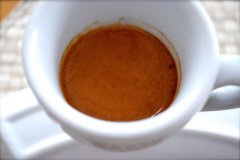
What are the characteristics of coffee in Paris, France? A detailed explanation of coffee culture in Paris
There are probably more cafes in Paris than any other city in the world. Walking in the streets of Paris, three steps a shop, five steps a pavilion, it is amazing. On a sunny day, people like to drink coffee under the Arbor and parasol along the street. At first glance, it is almost person-to-person, person-to-person, such as seen from a distance, more like a picture dotted on both sides of the street
2016-03-15 Paris Coffee France what characteristics details Coffee Culture Cafe
Pure flavor of Tanzania Kilimanjaro coffee flavor taste characteristics of the manor in the producing area
Mwanza (Mwanza) is the second largest city in the country with a relatively developed economy. Close to Lake Victoria, the largest lake in Africa. Arusha (Arusha) is the third largest city in China. 60 kilometers away from Mount Kilimanjaro, the highest peak in Africa. Surrounded by Serengeti, Ngoro prairie. This is where the world's largest animal migration takes place every year, with a total population of 449.
2016-08-23 Flavor authentic Tanzania Kili Mazar Luo coffee coffee taste characteristics
Guatemala Antigua Flower Coffee
Coffee was really introduced into Guatemala in 1750 by Father Jesuit, where the coffee industry was developed by German colonists at the end of the 19th century. Today, most of the coffee industry's production takes place in the south of the country. There are seven main coffee producing areas in Guatemala: Antigua, Coban, Atitlan and Huehuet.
2014-08-12 Coffee knowledge Guatemala Antigua coffee
The talent created a romantic Disney princess latte flower show in 2 minutes to experience the art of coffee flower drawing.
In the cold winter, if someone brings a cup of hot latte with beautiful flowers on it, the whole person's heart will warm up! The god man of pulling flowers is hidden in every corner of the world. This time, I will bring you to enjoy the super Disney princess flower show. Look at these big eyes and guess who it is? A: the Little Mermaid Ariel turned out to be a brave and lovely little mermaid Ariel
2015-12-30 Talent 2 minutes make romantic Disney princess latte pull flower experience coffee
Antigua Coffee, Guatemala
Coffee was introduced to Guatemala in 1750 by Father Jesuit, and German colonists developed the coffee industry in the late 19th century. Today, most of the coffee industry is produced in the south of the country. Guatemala has seven major coffee-producing regions: Antigua, Coban, Lake Atitlan and Huehuetenango
2015-06-01 Guatemala Antique Coffee Real Incoming Yes 17
Can coffee suppress sexual impulses?
It is a favorite drink for abstinent monks because of the loss of sexual ability. Under this concept, it is worth noting that the first cafe in London was able to open around 1688. Britons at that time may be more afraid of being manipulated by sexual desire than contemporary fear of losing their sexual ability. Max Weber wrote in Protestant Ethics and the Spirit of Capitalism: Puritans (
2014-08-05 Coffee can suppress impulse lose ability abstinence monk like drink
An introduction to the Origin of Coffee in Guatemala
Each region has its own climate change, so the coffee beans in each region have their own characteristics, but to sum up, Guatemalan coffee has a mild and mellow overall texture and elegant aroma. With similar hot and pleasant acidity such as fruit acid, Guatemala has become an aristocrat in coffee. Coffee has won a lot of praise for Guatemala, especially Antioch.
2016-06-02 Guatemala coffee species classification introduction origin characteristics each region
Antigua Coffee, Guatemala (Guatemala Antigua)
Coffee was really introduced into Guatemala in 1750 by Father Jesuit, where the coffee industry was developed by German colonists at the end of the 19th century. Today, most of the coffee industry's production takes place in the south of the country. Guatemala has seven main coffee producing areas: Antigua (Antigua), Cobain (Coban), Lake Attilan (Atitlan), Vevetnango (Huehuetenango)
2015-09-12 Guatemala Antioch coffee Antigua
Boutique Coffee introduction Antigua Coffee Guatemala
Coffee was really introduced into Guatemala in 1750 by Father Jesuit, where the coffee industry was developed by German colonists at the end of the 19th century. Today, most of the coffee industry's production takes place in the south of the country. Guatemala has seven main coffee producing areas: Antigua (Antigua), Cobain (Coban), Lake Attilan (Atitlan), Vevetnango (Huehuetenango)
2014-11-20 Coffee knowledge boutique coffee coffee recommendation Guatemala Antigua coffee
Fine Coffee learn Antigua Coffee from Guatemala
Coffee was really introduced into Guatemala in 1750 by Father Jesuit, where the coffee industry was developed by German colonists at the end of the 19th century. Today, most of the coffee industry's production takes place in the south of the country. Guatemala has seven main coffee producing areas: Antigua (Antigua), Cobain (Coban), Lake Attilan (Atitlan), Vevetnango (Huehuetenango)
2014-11-11 Coffee knowledge boutique coffee Guatemala Antigua coffee
Boutique coffee beans recommend Antigua coffee in Guatemala
Coffee was really introduced into Guatemala in 1750 by Father Jesuit, where the coffee industry was developed by German colonists at the end of the 19th century. Today, most of the coffee industry's production takes place in the south of the country. Guatemala has seven main coffee producing areas: Antigua (Antigua), Cobain (Coban), Lake Attilan (Atitlan), Vevetnango (Huehuetenango)
2014-12-28 Boutique coffee beans recommendation Guatemala Antioch coffee real introduced
Coffee Common sense Coffee can suppress sexual impulses?
In the early 17th century, when Europeans began to experiment with coffee, there was a popular belief in Britain that coffee could suppress sexual impulses, drink too much and even lose sexual ability, and it was a favorite drink for abstinent monks. Under this concept, it is worth noting that the first cafe in London was able to open around 1688. Compared with contemporary people's fear of losing their sexual ability.
2015-03-24 Coffee common sense ability restraint impulse 17th century Europeans start try
Coffee Common sense Coffee can suppress sexual impulses?
In the early 17th century, when Europeans began to experiment with coffee, there was a popular belief in Britain that coffee could suppress sexual impulses, drink too much and even lose sexual ability, and it was a favorite drink for abstinent monks. Under this concept, it is worth noting that the first cafe in London was able to open around 1688. Compared with contemporary people's fear of losing their sexual ability.
2015-05-11 Coffee common sense ability restraint impulse 17th century Europeans start try
Details of Antigua coffee boutique beans in Guatemala
Coffee was really introduced into Guatemala in 1750 by Father Jesuit, where the coffee industry was developed by German colonists at the end of the 19th century. Today, most of the coffee industry's production takes place in the south of the country. Guatemala has seven main coffee producing areas: Antigua (Antigua), Cobain (Coban), Lake Attilan (Atitlan), Vevetnango (Huehuetenango)
2015-10-13 Guatemala Antioch coffee boutique details real imported
Guatemala Coffee Flavor Taste Characteristics Antigua Coffee Guatemala Antigua Coffee Beans
Antigua Flower God comes from the high altitude zone in the center of Antigua volcanic region. Costa Rica's famous La Minita Estate provides the highest standard of planting and treatment technology in the industry, and directly sends personnel to Antigua to participate in quality control, and entrusts Antigua's largest and most equipped Bastos mill for the highest standard of post-harvest treatment.
2016-08-01 Guatemala Coffee Flavor Taste Characteristics Introduction Antique Coffee Bean
The origin of coffee beans Antigua coffee in Guatemala
Coffee was really introduced into Guatemala in 1750 by Father Jesuit, where the coffee industry was developed by German colonists at the end of the 19th century. Today, most of the coffee industry's production takes place in the south of the country. Guatemala has seven main coffee producing areas: Antigua (Antigua), Cobain (Coban), Lake Attilan (Atitlan), Vevetnango (Huehuetenango)
2014-09-29 Coffee knowledge coffee beans boutique coffee Guatemala Antigua coffee
Recommended boutique coffee-Guatemala Antigua coffee taste Antigua coffee
Coffee was really introduced into Guatemala in 1750 by Father Jesuit, where the coffee industry was developed by German colonists at the end of the 19th century. Today, most of the coffee industry's production takes place in the south of the country. Guatemala has seven main coffee producing areas: Antigua (Antigua), Cobain (Coban), Lake Attilan (Atitlan), Vevetnango (Huehuetenango)
2016-03-25 Boutique coffee recommendation Guatemala Antioch taste real imported dangerous
Introduction to Guatemala Antigua Coffee Bean Flavor and Fine Coffee
Some of the best quality coffee from Guatemala is exported to Japan, where it sells for $3 to $4 per cup. Moreover, Guatemala has specially set up a special coffee association and gives the greatest funding and attention to these high-quality Russian coffee. These efforts soon bear fruit. From October 2006 to May 2007, Guatemala's coffee exports accounted for 3.5% of the world's coffee exports.
2016-07-18 Guatemala Antioch coffee beans flavor taste boutique coffee introduction Guatemala horse
Starbucks China Guatemala Antigua Flower Story Coffee Bean Flavor description method Grinding scale
Guatemala Flower God Coffee country of Origin: Guatemala production area: Santa Rosa Barberena Variety: Pache, Caturra altitude: 1500-1700 Meters treatment: washing + three special soaking flavor description: chocolate and caramel, long tail, typical Guatemalan coffee. Guatemalan coffee has a strong aroma, even if you don't drink it, just smell it.
2016-10-21 Buck China Guatemala Antioch Flower God Story Coffee beans Flavor description