“frosted” search results (3005)

Flavor and taste characteristics of Guatemalan coffee producing areas introduction of high-quality coffee beans
Vivette Nan Fruit is located in the highlands of northwestern Guatemala, growing at an altitude of 1800-2100 meters. It is the highest coffee-producing area in the country and is famous for producing high-quality beans. Because there are many rivers and lakes in Guatemala, the Vivette Nanguo region is rich in mountains and water resources, dry climate but abundant water resources, and complete water conservancy facilities in this area, so coffee is often washed and added.
2016-09-20 Guatemala coffee variety producing area flavor taste characteristics boutique coffee beans
Introduction of Xuemai Manor Coffee Variety producing area characteristics, Flavor and Taste Fine Coffee
The advantage of Bolivian coffee lies in its high altitude and excellent varieties of coffee, where the traditional Tibica and a small amount of Kaddura are highly valued in the world market. In the past, coffee trees in Bolivia used to act as hedges and ornaments around the garden. Real commercial production began in the early 1950s. The great frost of 1957 seriously damaged Brazil
2016-09-20 Snow veins manors coffee varieties producing areas characteristics flavor taste boutique introduction
Introduction to the flavor and taste of coffee from Incht Manor, Guatemala, with a very strong flavor.
Rich volcanic soil, low humidity, plenty of sunshine and cool nights are the climatic characteristics of Antigua coffee producing areas. The valley is surrounded by three volcanoes: Agua, Fuego and Acatenango. Tierra del Fuego volcano is one of the three most active volcanoes in Guatemala, and the ash from frequent eruptions makes Antigua.
2016-08-23 Taste very full-bodied Guatemala Hutt Manor coffee flavor taste special
Rich and unique aroma of Bolivian coffee manor flavor and taste characteristics of snow vein manor
Arabica coffee cannot be grown in cold places above 2000 meters above sea level. if the altitude is too high, coffee trees will frost because the temperature is too low. So Bolivian coffee is mainly grown in the Yungas region northeast of La Paz. It borders the Amazon basin and is about 1500-2500 meters above sea level with an average annual temperature of about 10-15 ℃. Therefore, it ensures the growth of coffee.
2016-08-08 Aroma rich unique Bolivia coffee manor producing area flavor taste special
Introduction to the characteristics of the flavor manor of Guatemalan coffee varieties with rich taste
Vivette Nan Fruit is located in the highlands of northwestern Guatemala, growing at an altitude of 1800-2100 meters. It is the highest coffee-producing area in the country and is famous for producing high-quality beans. Because there are many rivers and lakes in Guatemala, the Vivette Nanguo region is rich in mountains and water resources, dry climate but abundant water resources, and complete water conservancy facilities in this area, so coffee is often washed and added.
2016-09-20 Taste full-bodied Guatemala coffee variety flavor manor producing area characteristics introduction
Boutique coffee bean flavor taste in Guatemala Antigua coffee is introduced in the manor area.
Huehuetenango is translated as Vivette Nanguo in Chinese. Whether in reading or in writing, the name sounds so good that it reminds me of the narino producing area of Colombia. A beautiful name, of course, must be matched with a beautiful flavor. The Vivette South Fruit producing area is located in the highlands of northwestern Guatemala and is planted at an altitude of 1800-2100 meters, which is the highest in the country.
2016-07-21 Guatemala boutique coffee beans flavor taste manor producing area introduction Antioch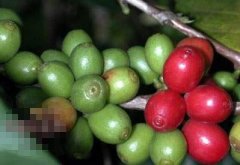
Three native species of coffee
There are about 40 species of coffee, but only one of them can produce coffee beans of commercial value. Arabica, Robusta and Liberia are called the "three native species of coffee".
2014-06-09 Coffee knowledge coffee varieties coffee encyclopedia
Starting with Coffee beans (16)-America-Bolivia
In the past, coffee trees in Bolivia used to act as hedges and ornaments around the garden. Real commercial production began in the early 1950s. The great frost of 1957 seriously damaged Brazil's coffee industry, while Bolivia (Bolivia) benefited from it and developed rapidly. Bolivian coffee is grown at an altitude of 180,670 meters above sea level, including Allah.
2014-06-12 Coffee beans Bolivia America
Starting with Coffee beans (35)-Africa-South Africa
It is fragrant with less acidity, reminiscent of coffee beans from Central America. Coffee production in South Africa (South Africa) is mainly in the northeast of the country, from Natal between Transvaal and Mozambique, extending northward to Transvaal, with the southernmost limit of latitude 30 south; further south, coffee cannot be grown due to the harm of early frost.
2014-06-13 Coffee beans Africa South Africa
Coffee producing area in South Africa
Coffee production in South Africa (South Africa) is mainly in the northeast of the country, from Natal between Transvaal and Mozambique, extending northward to Transvaal, with the southernmost limit of latitude 30 °S; further south, coffee cannot be grown due to the harm of early frost.
2014-06-19 Coffee knowledge coffee origin South African coffee coffee encyclopedia
Global coffee producing area-Bolivia
In the past, coffee trees in Bolivia used to act as hedges and ornaments around the garden. Real commercial production began in the early 1950s. The coffee industry in Brazil was seriously damaged by the great frost in 1975, while Bolivia (Bolivia) benefited from it and developed rapidly. The origin of Bolivian coffee: Bolivian coffee at an altitude of 180 Muhami 670 meters.
2014-07-09 Bolivia coffee producing area boutique coffee beans
Coffee from Bolivia
Coffee trees used to be planted around gardens as hedges and ornamental plants in Bolivia. Real commercial production began in the early 1950s. The 1975 frost severely damaged Brazil's coffee industry, but Bolivia benefited from it and grew rapidly. Bolivian coffee production: Bolivian coffee at an altitude of 180--670 meters
2014-08-07 Bolivia coffee past tree often planted in garden around
Coffee producing area-Bolivia
In the past, coffee trees in Bolivia used to act as hedges and ornaments around the garden. Real commercial production began in the early 1950s. The coffee industry in Brazil was badly damaged by the great frost in 1957, while Bolivia (Bolivia) benefited and developed rapidly. Bolivian coffee is grown at an altitude of 180,670 meters above sea level, including Allah.
2014-08-21 Coffee knowledge Bolivia coffee origin coffee encyclopedia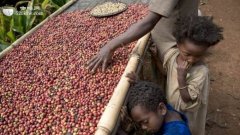
World boutique coffee producing area Bolivian coffee beans
In the past, coffee trees in Bolivia used to act as hedges and ornaments around the garden. Real commercial production began in the early 1950s. The great frost of 1957 seriously damaged Brazil's coffee industry, while Bolivia (Bolivia) benefited from it and developed rapidly. Bolivian coffee is grown at an altitude of 180,670 meters above sea level, including Allah.
2014-09-17 Coffee knowledge world boutique coffee producing area Bolivian coffee beans
The world's fine coffee is produced in South Africa.
It is fragrant with less acidity, reminiscent of coffee beans from Central America. Coffee production in South Africa (South Africa) is mainly in the northeast of the country, from Natal between Transvaal and Mozambique, extending northward to Transvaal, with the southernmost limit of latitude 30 south; further south, coffee cannot be grown due to the harm of early frost.
2014-09-17 Coffee knowledge boutique coffee coffee producing area South Africa
Coffee beans Africa South Africa
It is fragrant with less acidity, reminiscent of coffee beans from Central America. Coffee production in South Africa (South Africa) is mainly in the northeast of the country, from Natal between Transvaal and Mozambique, extending northward to Transvaal, with the southernmost limit of latitude 30 south; further south, coffee cannot be grown due to the harm of early frost.
2014-09-22 Coffee beans Africa South Africa
Coffee beans Bolivia in the Americas
In the past, coffee trees in Bolivia used to act as hedges and ornaments around the garden. Real commercial production began in the early 1950s. The great frost of 1957 seriously damaged Brazil's coffee industry, while Bolivia (Bolivia) benefited from it and developed rapidly. Bolivian coffee is grown at an altitude of 180,670 meters above sea level, including Allah.
2014-09-22 Coffee beans America Bolivia
World Coffee producer Bolivia Bolivia
From serving as a garden hedge to coffee grown exclusively on the manor, coffee trees in Bolivia used to be planted around the garden as hedges, decorating flowers and trees. Real commercial production began in the early 1950s. The coffee industry in Brazil was badly damaged by the great frost in 1957, while Bolivia (Bolivia) benefited and developed rapidly. Bolivian coffee in the sea
2014-09-28 Coffee knowledge coffee origin coffee producing country Bolivia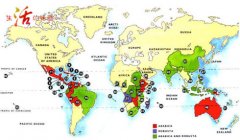
Coffee training knowledge: global Coffee producing area Map
Coffee trees grow in tropical or subtropical agricultural gardens centered around the equator and called coffee belts. Most of the coffee production is between the Tropic of Cancer, 25 degrees north of the tropical or subtropical equator and 30 degrees south of the equator. An area with an annual average temperature of 16-25 degrees Celsius, no Frosts Descent and rainfall of 1600-2000 mm.
2014-10-08 Coffee knowledge coffee distribution coffee origin
Coffee knowledge Coffee Origin South Africa
It is fragrant with less acidity, reminiscent of coffee beans from Central America. Coffee production in South Africa (South Africa) is mainly in the northeast of the country, from Natal between Transvaal and Mozambique, extending northward to Transvaal, with the southernmost limit of latitude 30 south; further south, coffee cannot be grown due to the harm of early frost.
2014-10-09 Coffee knowledge coffee producing area