“flower roots” search results (300)

Eight magical functions of coffee: reducing fat and removing odor
Just like eating crabs and washing your hands with lemonade, wipe the used coffee grounds on your hands and rinse them with hot water to remove the smell. But for those who like, such as blueberries, such as flowers, such as oyster mushrooms, pouring coffee grounds into the roots of plants can make plants grow faster and better. 1. Remove the smell from the refrigerator except tea, lemon, orange peel and freshly ground coffee powder
2015-06-26 Coffee secret 8 magic function abatement fat removal odor seems
Common sense of Coffee the basic environmental conditions of planting coffee trees
Coffee belt: coffee can not be grown in any environment, because it is originally a plant growing in a tropical rain forest, and in phylogeny, it forms the habit of requiring calm wind, cool, shaded or semi-shaded and humid environment. We call the strips on both sides of the equator between latitudes 25 degrees south and north suitable for the growth of coffee trees as coffee belts. Temperature: the requirement for temperature varies with the species of cultivation, small
2015-05-19 Coffee common sense planting basics environment conditions coffee is in any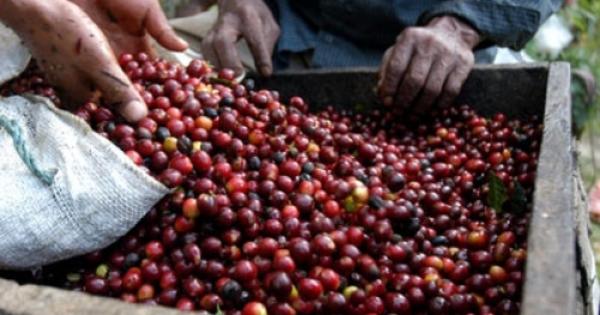
Conditions for planting coffee trees what is the growing environment of coffee trees?
Coffee belt: coffee can not be grown in any environment, because it is originally a plant growing in a tropical rain forest, and in phylogeny, it forms the habit of calm wind, cool, shaded or semi-shaded and humid environment. We call the strips on both sides of the equator between latitudes 25 degrees south and north suitable for the growth of coffee trees as coffee belts. Temperature: the requirements for temperature vary with the species of cultivation
2016-03-02 Planting coffee conditions growth environment what is in any
The birth of coffee beans (1) Coffee trees from planting to fruiting
Coffee trees take 3-5 years from planting to fruiting. 6-10 years of coffee trees are the most likely to bear fruit, about 15-20 years, is the harvest period. Coffee trees are usually bred in nurseries and grow into saplings, and then moved to coffee farms a year later, in full compliance with the way the Arabs planted and cultivated coffee trees. Coffee trees will continue to take root downward and upward in the first four or five years of their growth.
2015-10-12 Coffee beans birth planting fruit coffee 3-5 year
How many varieties of coffee beans are there in the world
There are more than 70 kinds of coffee in the world, of which 3 are mainly cultivated in China. ① small seed species, also known as Arabica coffee, is native to Ethiopia and is cultivated in Taiwan, Fujian, Guangdong, Guangxi, Yunnan and Sichuan. Shrub, 4-6 m tall, with many branches in the basal part; leaves thinly leathery, ovate-lanceolate or lanceolate, entire or undulate, terminal bud green or bronzed, so
2016-06-05 Global total how many coffee beans varieties
How many varieties of coffee beans are there in the world
There are more than 70 kinds of coffee in the world, of which 3 are mainly cultivated in China. ① small seed species, also known as Arabica coffee, is native to Ethiopia and is cultivated in Taiwan, Fujian, Guangdong, Guangxi, Yunnan and Sichuan. Shrub, 4-6 m tall, with many branches in the basal part; leaves thinly leathery, ovate-lanceolate or lanceolate, entire or undulate, terminal bud green or bronzed, so
2016-06-05 Global total how many coffee beans varieties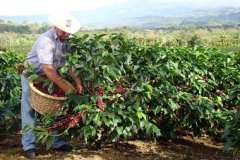
The planting environment of coffee trees the conditions for planting coffee trees
Coffee has entered thousands of households, and it is no longer what people called a foreign thing many years ago. So many friends in the planting industry also want to plant coffee trees to catch up with the ocean current. Next, I will introduce to you a little knowledge about the growing environment of coffee. 1. Coffee belt: coffee can not be grown in any environment, because it was originally grown in a tropical rain forest.
2015-03-13 Coffee planting environment conditions coffee has entered thousands of households already no
The latest introduction to coffee flower production method
As for the origin of coffee flower, in fact, there has been no very clear literature, only know that in Europe and America at that time, coffee flower is in coffee performance, the display of high difficulty professional technology, and such innovative skills, the display of high difficulty technology, greatly shocked the coffee industry at that time, from the beginning has been the public attention. All of them are deeply affected by coffee.
2016-01-05 Boutique coffee common sense flower latest introduction making method about
Control of Diseases and pests in Coffee
(1) Pest control 1. Coffee tiger longicorn beetles are distributed in all coffee producing areas in the world, and also occur in Yunnan, Guangxi and Hainan Island in China. It is one of the major pests of coffee. The coffee tiger longicorn beetle harms the coffee trunk for more than 2 years. At first, it eats between the cambium and xylem, and then eats the xylem. The victim was in a curved tunnel filled with sawdust.
2015-10-07 Coffee diseases and pests control diseases pests
Planting conditions of Coffee trees
Coffee belt: coffee can not be grown in any environment, because it is originally a plant growing in a tropical rain forest, and in phylogeny, it forms the habit of requiring calm wind, cool, shaded or semi-shaded and humid environment. We call the strips on both sides of the equator between latitudes 25 degrees south and north suitable for the growth of coffee trees as coffee belts. Temperature: the requirement for temperature varies with the species of cultivation, small
2016-06-06 Coffee planting conditions coffee is in any environment can be planted because of its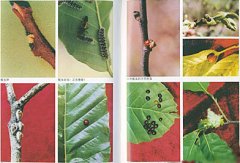
Common Diseases and pests in Coffee cultivation and Prevention and Coffee basic knowledge
(1) Pest control 1. Coffee tiger longicorn beetles are distributed in all coffee producing areas in the world, and also occur in Yunnan, Guangxi and Hainan Island in China. It is one of the major pests of coffee. The coffee tiger longicorn beetle harms the coffee trunk for more than 2 years. At first, it eats between the cambium and xylem, and then eats the xylem. The victim was a curved tunnel filled with sawdust.
2015-10-07 Coffee planting common diseases and insect pests control methods basics common sense
Technical Essentials of planting domestic Coffee trees
First, seeds: they can be picked by themselves or purchased online. Second, seed treatment: choose coffee seeds with good quality and parchment. Third, planting: the treated seeds can be planted directly or soaked in water before planting. Direct planting is very simple, put the seeds directly into vermiculite, the thickness of the surface soil and the thickness of the seeds can be the same; soaking varies according to different seasons. Such as
2015-05-15 Coffee planting domestication technology essentials seeds from but also online shopping access to
Introduction of boutique coffee beans in Xidamo Chiso Coffee Flavor Manor, Ethiopia
It is produced by Xilisha Cooperative near Dilla town. The cooperative was founded in 1976 and is now a member of the SCFCU of the Sidamo Farmers' Cooperative Union. We have screened the coffee again, and the selected batch has excellent flavor, which tends to be honey, citrus and coffee flowers. The coffee in Sidamo has very diverse flavors and different kinds of soil.
2016-08-20 Ethiopia Dharma Shaquiso coffee flavor taste manor boutique
Introduction to the Soul of Coffee Bean
What is the essence of a cup of coffee? Coffee as its name implies, the raw material of coffee is the most important. The main raw materials for making coffee are small and round dark brown coffee beans, which quietly emit a fragrant fragrance in the grinder and show a beautiful amber color in the cup. These are the three very deep impressions that ordinary people have on coffee. While you are exploring the history and grace of coffee
2015-09-07 Coffee medium soul boutique coffee beans introduction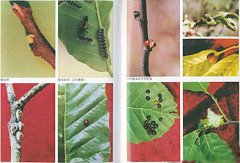
Common Coffee Diseases and pests in Coffee cultivation and Control methods
It is distributed in all coffee producing areas in the world, and it also occurs in Yunnan, Guangxi and Hainan Island in China. It is one of the major pests of coffee. Coffee longicorn beetles, which damage the coffee trunk by larvae for more than 2 years, initially eat between the cambium and xylem, and then eat (1) pest control. 1. Coffee tiger longicorn beetles are distributed in all coffee producing areas in the world. Yunnan, Guangxi and Hainan, China
2015-02-16 Coffee common sense planting common diseases and insect pests prevention and control methods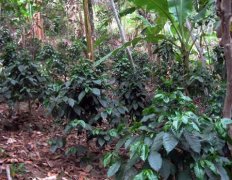
The production of coffee beans with basic knowledge of fine coffee
Coffee trees take 3-5 years from planting to fruiting. 6-10 years of coffee trees are the most likely to bear fruit, about 15-20 years, is the harvest period. Coffee trees are usually bred in nurseries and grow into saplings, and then moved to coffee farms a year later, in full compliance with the way the Arabs planted and cultivated coffee trees. Coffee trees will continue to take root downward and upward in the first four or five years of their growth.
2014-11-20 Coffee knowledge coffee knowledge coffee basics coffee bean production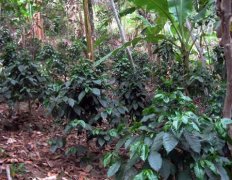
Production of coffee beans coffee output
Coffee trees take 3-5 years from planting to fruiting. 6-10 years of coffee trees are the most likely to bear fruit, about 15-20 years, is the harvest period. Coffee trees are usually bred in nurseries and grow into saplings, and then moved to coffee farms a year later, in full compliance with the way the Arabs planted and cultivated coffee trees. Coffee trees will continue to take root downward and upward in the first four or five years of their growth.
2014-09-25 Coffee bean production coffee output
Description of flavor characteristics of Ethiopian coffee beans sharing of water temperature parameters of hand grinding ratio
In the fifties and sixties of this century, many African countries became independent one after another and adopted green, yellow and red as the colors of the national flag, so they were called pan-African colors. Ethiopia is one of the ancient countries in Africa, with a long history of more than 3000 years, giving green, yellow and red colors deeper roots in this land. Calendar
2022-07-27 Taste Xinming bright Ethiopia coffee flavor description grinding processing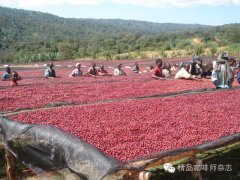
Citrus flower scent Ethiopia Sidamo Valley Ji Lion King Water washing G1 Healesa Cooperative boutique Caf é
Ethiopia Sidamo Valley Gee Lion King Water washing G1 (Ethiopia Sidamo G1 LionKing) Origin: Guji,Sidamo,Ethiopia Bean seed: Heirloom processing Plant: Shilicho Cooperative altitude: 1800-2000m treatment method: Washed picking treatment time: 06pm 2014 roasting degree: Light Honey, Citrus and Coffee Flower aroma from Dilla tow
2016-07-09 Citrus flower scent Ethiopia Dharma Guji Lion King Water washing Heineken Cooperation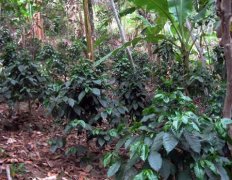
The production of high-quality coffee beans
Coffee trees take 3-5 years from planting to fruiting. 6-10 years of coffee trees are the most likely to bear fruit, about 15-20 years, is the harvest period. Coffee trees are usually bred in nurseries and grow into saplings, and then moved to coffee farms a year later, in full compliance with the way the Arabs planted and cultivated coffee trees. Coffee trees will continue to take root downward and upward in the first four or five years of their growth.
2014-09-30 Coffee knowledge boutique coffee science coffee bean production