“farmers 'market” search results (3000)

Introduction to the treatment methods of fine Rwandan coffee beans
Rwandans have been growing coffee since colonial times, but until 1999, its products were still classified as below Class C and were not popular in the global market. The reason for the poor quality is that farmers do not have a fixed procedure for washing coffee beans and do not process coffee fruits according to specifications in time. Buyers buy coffee beans at $0.33 per kilogram, and farmers keep warm by the meagre profits earned at low prices.
2016-06-23 Boutique Rwanda coffee beans handling methods introduction people from
Why Yunnan coffee is of low quality and low price: all the good coffee beans have been taken away.
Yunnan coffee beans upgrade bitter Yunnan coffee acreage leaps forward, bringing a series of hidden worries. In order to resolve the contradiction between the rapid expansion of production capacity and brand value, the relevant stakeholders have worked hard to solve it. In Yunnan, the planting area of imported coffee is growing explosively. Within a few years, driven by the interests of growers and the promotion of local governments, Yunnan coffee (hereinafter referred to as Yunnan coffee beans) leapt.
2014-06-26 Yunnan coffee good coffee beans fine coffee beans
Boutique coffee Rwanda coffee origin Rwanda coffee practice
Rwandans have been growing coffee since colonial times, but until 1999, its products were still classified as below Class C and were not popular in the global market. The reason for the poor quality is that farmers do not have a fixed procedure for washing coffee beans and do not process coffee fruits according to specifications in time. Buyers buy coffee beans at $0.33 per kilogram, and farmers keep warm by the meagre profits earned at low prices.
2016-05-12 Boutique coffee Rwanda origin practice
The origin of Peruvian coffee the characteristics of Peruvian coffee the Peruvian coffee market
Peru (Peru) is also a big coffee producer. Peruvian coffee producing areas: up to 98% of Peruvian coffee is grown in forest areas, and most of the producers are small farmers. Peru's finest coffee is produced in Chanchmayo, Cuzco, Norte and Puno. Most Peruvian coffee is grown under natural conditions, but it is difficult to confirm
2016-03-01 Peru coffee origin characteristics market also raw
Fine coffee Rwanda Coffee introduces the characteristics of Rwanda Coffee
Rwandans have been growing coffee since colonial times, but until 1999, its products were still classified as below Class C and were not popular in the global market. The reason for the poor quality is that farmers do not have a fixed procedure for washing coffee beans and do not process coffee fruits according to specifications in time. Buyers buy coffee beans at $0.33 per kilogram, and farmers keep warm by the meagre profits earned at low prices.
2016-05-12 Boutique coffee Rwanda introduction characteristics
Boutique coffee Rwanda coffee flavor red apple, cherry, cinnamon, honey
Rwandans have been growing coffee since colonial times, but until 1999, its products were still classified as below Class C and were not popular in the global market. The reason for the poor quality is that farmers do not have a fixed procedure for washing coffee beans and do not process coffee fruits according to specifications in time. Buyers buy coffee beans at $0.33 per kilogram, and farmers keep warm by the meagre profits earned at low prices.
2016-05-12 Boutique coffee Rwanda flavor red apple cherry cinnamon honey
Boutique coffee Rwanda coffee producing area in the western province of Lutexilo
Rwandans have been growing coffee since colonial times, but until 1999, its products were still classified as below Class C and were not popular in the global market. The reason for the poor quality is that farmers do not have a fixed procedure for washing coffee beans and do not process coffee fruits according to specifications in time. Buyers buy coffee beans at $0.33 per kilogram, and farmers keep warm by the meagre profits earned at low prices.
2016-05-12 Boutique coffee Rwanda producing area western province Texi
Brief introduction of Rwanda Coffee beans how much is the coffee bean per jin
Malaba Coffee (Rwandan: Ikawa ya Maraba, French: Caf de Maraba) is Fairtrade certified coffee grown in the Malaba area of southern Rwanda. Malaba's coffee crop is a bourbon of the Arabica species and is grown in fertile volcanic soil on high-altitude hills. The fruits of coffee trees are mainly picked manually during the rainy season from March to May.
2016-05-04 Rwanda coffee beans super profile less money one jin
Introduction of washed Rwanda coffee beans classification of fine coffee
Rwandans have been growing coffee since colonial times, but until 1999, its products were still classified as below Class C and were not popular in the global market. The reason for the poor quality is that farmers do not have a fixed procedure for washing coffee beans and do not process coffee fruits according to specifications in time. Buyers buy coffee beans at $0.33 per kilogram, and farmers keep warm by the meagre profits earned at low prices.
2016-06-28 Washing Rwanda coffee beans introduction boutique coffee classification people from
Fine coffee Rwanda coffee processing method Processing method Washing, elevated shelf drying
Rwandans have been growing coffee since colonial times, but until 1999, the product was classified as below grade C and was not available on the global market. The reason for the poor quality is that farmers do not have a fixed procedure for cleaning coffee beans, and they do not process coffee fruits according to specifications in time. Buyers pay $0.33 a kilo for coffee beans, farmers keep warm on the meager margins they earn at low prices
2016-05-12 boutique coffee rwanda treatment way method washing elevated trellis solarization
Development of Chinese Coffee Market Chinese Coffee starts from Pu'er
What binds Jin Jihui, Alex and Hute to Yunnan is the thousand-year-old tea village Pu'er. This small border town, which has changed its name from Simao to Pu'er because of its famous Pu'er tea, now wants to add another label to its city card, the Coffee Capital of China. In 2007, Jin Jihui, a middle-aged literary and artistic classmate with Jia Jingwen and Xu Jinglei at the Beijing Film Academy, came to Yunnan
2014-11-06 Coffee knowledge Chinese coffee market coffee market development Pu'er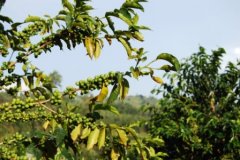
Boutique single Coffee Lake Titicaca in Bolivia tapping Pagabana small Farmer's Iron Card cooked beans
The advantage of Bolivian coffee lies in its high altitude and excellent varieties of coffee, where the traditional Tibica and a small amount of Kaddura are highly valued in the world market. In the past, coffee trees in Bolivia used to act as hedges and ornaments around the garden. Real commercial production began in the early 1950s. The great frost in 1957 seriously damaged Pakistan.
2016-06-20 Boutique individual Coffee Bolivia Lake Titicaca producing area Tupa Panas
Introduction to the characteristics of Rwanda Coffee Bean Flavor Manor producing area Coffee growing Environment in Rwanda
Rwandans have been growing coffee since colonial times, but until 1999, its products were still classified as below Class C and were not popular in the global market. The reason for the poor quality is that farmers do not have a fixed procedure for washing coffee beans and do not process coffee fruits according to specifications in time. Buyers buy coffee beans at $0.33 per kilogram, and farmers keep warm by the meagre profits earned at low prices.
2016-08-04 Rwanda coffee beans flavor taste manor producing area characteristics introduction coffee species
Coffee is not only a fashion symbol.
Once upon a time, coffee, which was just a civilian drink in the western world, became an aristocratic drink when it came to China, perhaps a long way and expensive. Today, coffee has become a fashion symbol, so that some people, in order to show the quality of life of fashion petty bourgeoisie, are young and light guns, claiming that one day without coffee can not get back to the soul, is it such an exaggeration? In fact, the value of coffee itself is far more than
2015-06-18 Coffee just one fashion symbol
Value addition of coffee by in vitro hot fermentation
Through in vitro thermal fermentation technology, the ITRI has successfully developed masked palm civet coffee with a unique taste in Taiwan, which has also created new industrial value for coffee farmers in Taitung. Five years ago, the farm of coffee farmers in Taitung, which was first assisted by the ITRI, has seen a turnaround in the tourist market. The number of tourists has increased as much as 10 times every month, and masked palm civet's coffee has earned more than 100,000 yuan. In vitro hot fermentation is not produced by South Branch of Industrial Research Institute.
2014-04-27 In vitro fermentation technology coffee value industrial research penetration in vitro
The origin of coffee beans in Rwanda Coffee bean powder is too weak.
The Rwandans of origin have been growing coffee since colonial times, but until 1999, its products were still classified as below Class C and were not popular in the global market. The reason for the poor quality is that farmers do not have a fixed procedure for washing coffee beans and do not process coffee fruits according to specifications in time. Buyers buy coffee beans at $0.33 per kilogram, and farmers rely on the meagre profits earned at low prices.
2016-06-13 Rwanda coffee beans origin coffee bean powder brewing too light
A good cup of coffee starts with farmers.
The term "consumer rights" has taken root, especially in contemporary China, where counterfeit goods are rife. In contrast,"consumer responsibility"
2014-06-10 A good cup of coffee starts with farmers.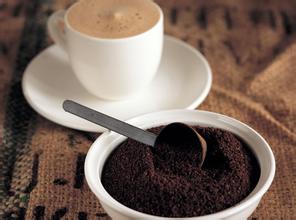
Boutique Coffee Rwanda Coffee Manor 1756 members small farmers
Since the 1920s, Arabica coffee grown in Rwanda has been famous for its unique fruit sweetness and rich grass aroma. In recent years, the Rwandan government has taken positive measures to vigorously promote coffee production, set up coffee production cooperatives in various places, and give technical guidance and financial support to farmers, so that coffee production has made considerable progress. University of Rwanda
2016-05-13 Boutique coffee Rwanda manor 1756 members small farmers last century
Coffee-far more than just a fashion symbol
Once upon a time, coffee, which was just a civilian drink in the western world, became an aristocratic drink when it came to China, perhaps a long way and expensive. Today, coffee has become a fashion symbol, so that some people, in order to show the quality of life of fashion petty bourgeoisie, are young and light guns, claiming that one day without coffee can not get back to the soul, is it such an exaggeration? In fact, the value of coffee itself is far more than
2014-05-28 Coffee culture fashion coffee beans
Peruvian Coffee quality beans introduction Peruvian Coffee Market introduction of Fine Coffee
Up to 98 per cent of Peruvian coffee is grown in forest areas, and most producers are small farmers: Peru's best coffee is produced in Chanchmayo, Cuzco, Norte and Puno. It is most famous for its coffee beans from Chaximayo in the central part and Cusco in the south. Most Peruvian coffee is grown under natural conditions.
2016-07-06 Peru coffee quality introduction market boutique up to 98%