“equatorial growth” search results (300)
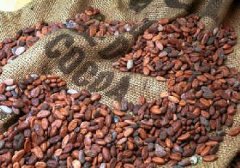
Arabica coffee beans mature from June to August.
Every winter (dry season) is the harvest period of coffee beans, coffee trees after three to four years of growth, gradually mature, began to bear fruit, fruit next to the branches arranged in a string or cluster. Coffee beans wrapped in red skin inside, as soon as red can be picked. Most Arabica beans mature between June and August, and Roberto beans between September and October. Therefore,
2015-10-07 Coffee beans harvesting processing rabbi maturity June-August annual winter dry season
From the coffee treasures of the hometown of the giant tortoise, the coffee bean manor on Giant Turtle Island in Ecuador introduces Hassan.
When Thomas and the crew landed on the island, they were frantically looking for water and were so thirsty that they squeezed juice from the fat leaves of the cactus to drink. At last a source of water was found in a rocky gully. Thomas attributed it to the gift of God, because it was good Friday, and they had piously celebrated mass before they set out in search of water. But Thomas will never
2016-07-05 From giant turtles hometown coffee treasures Ecuador coffee beans manors producing areas
Sour and sweet, rich taste Galapagos coffee flavor, characteristics, taste and estate introduction
In 1875, Manuel J. Cobos, an indigenous Ecuadorian, began growing arabic bourbon coffee trees on Hacienda El Cafetal in San Cristobal. Coffee growing in the Galapagos Islands: Coffee is grown in Saint Cristobal. Hacienda El Cafetal in San Cristobal
2016-08-30 sour sweet taste rich lapa goss coffee flavor specialty manor
Sour and sweet Ecuadorian boutique Galapagos coffee San Cristobal
Flavor: taste rich, sour and sweet suggested baking method: medium roasting ★★★: excellent Galapagos Islands Coffee Market: due to the unique role of the Galapagos Islands in the historical process, the Ecuadorian government has turned the Galapagos Islands into a national park, no longer allowed to reclaim the land for new agricultural land, and strictly forbids the introduction and use of chemical fertilizers, pesticides and herbicides
2016-07-19 Sour sweet Ecuador boutique Lapa Goss coffee Crystal Val
Rich sour and sweet Galapagos coffee flavor, characteristics, taste and manor introduction
In 1875, Ecuador's indigenous ManuelJ.Cobos began to grow Arabic bourbon coffee trees in the Hasunda Coffee Garden (HaciendaElCafetal) in San Cristobal. Coffee production in the Galapagos Islands: coffee is grown in San Cristobal (SaintCristobal). In the Hasunda Cafe Garden (HaciendaElCafetal) in San Cristobal
2016-09-01 Taste rich sour sweet Lapa Goss coffee flavor specialty manor
Coffee bean harvesting and processing Fine coffee bean processing
Every winter (dry season) is the harvest period of coffee beans, coffee trees after three to four years of growth, gradually mature, began to bear fruit, fruit next to the branches arranged in a string or cluster. Coffee beans wrapped in red skin inside, as soon as red can be picked. Most Arabica beans mature between June and August, and Roberto beans between September and October. Therefore,
2015-02-16 coffee beans harvest processing boutique method annual winter dry season
Introduction to the characteristics of Ecuador Coffee Galapagos Coffee Flavor Manor
Flavor: taste rich, sour and sweet suggested baking method: medium roasting ★★★: excellent Galapagos Islands Coffee Market: due to the unique role of the Galapagos Islands in the historical process, the Ecuadorian government has turned the Galapagos Islands into a national park, no longer allowed to reclaim the land for new agricultural land, and strictly forbids the introduction and use of chemical fertilizers, pesticides and herbicides
2016-07-25 Ecuador Coffee Lapa Goss Flavor palate Manor producing area characteristics introduction
The way coffee beans are treated after picking.
Every winter (dry season) is the harvest time for coffee beans. After three to four years of growth, coffee trees mature and begin to bear fruit. The fruits are arranged in a string or clustered together next to the branches. Coffee beans are wrapped in red skins and can be picked as soon as they turn red. Most Arabica coffee beans mature from June to August and Roberts coffee beans from September to October. therefore,
2015-02-16 Coffee beans picking processing after way year winter dry season coffee
Taste rich, sour and sweet Galapagos coffee flavor, characteristics, taste and manor introduction
In 1875, Ecuador's indigenous ManuelJ.Cobos began to grow Arabic bourbon coffee trees in the Hasunda Coffee Garden (HaciendaElCafetal) in San Cristobal. Coffee production in the Galapagos Islands: coffee is grown in San Cristobal (SaintCristobal). In the Hasunda Cafe Garden (HaciendaElCafetal) in San Cristobal
2016-08-30 Taste rich sour sweet Lapa Goss coffee flavor specialty manor
Galapagos Coffee Manor introduces Galapagos Coffee beans roasted Galapagos Coffee varieties
Galapagos Islands Coffee Market: because of the Galapagos Islands' unique role in history, the Ecuadorian government has designated the Galapagos Islands as a national park and no longer allows land to be reclaimed as new agricultural land. and the introduction and use of fertilizers, pesticides, herbicides and other chemicals are strictly prohibited, so Galapagos coffee is recognized as a natural product flavor:
2016-07-26 Lapa Goss Coffee Manor introduction Coffee beans Baking Variety
Flavor description of Ecuador Hassanda Coffee Garden with balanced Flavor introduction to the characteristics of taste varieties
Between Colombia and Peru, Ecuador, which passes through the equator, is one of the few countries in South America that produces both Arabica and robastian coffee. In fact, Ecuador means the Spanish equator. Due to the use of old-fashioned traditional harvesting and handling methods, Ecuadorian coffee is not listed as a boutique coffee, so it is generally rarely seen.
2016-10-06 Flavor balance Ecuador Hasenda coffee garden description taste variety producing area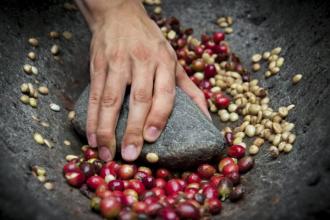
Taste rich and sour with sweet Galapagos coffee flavor, characteristics, taste and manor introduction
In 875, Ecuador's indigenous ManuelJ.Cobos began to grow Arabic bourbon coffee trees in the Hasunda Coffee Garden (HaciendaElCafetal) in San Cristobal. Coffee production in the Galapagos Islands: coffee is grown in San Cristobal (SaintCristobal). In the Hasunda Cafe Garden (HaciendaElCafetal) in San Cristobal
2016-08-31 Taste rich sour sweet Lapa Goss coffee flavor specialty manor
Introduction to Ecuadorian Coffee with large granules and unique flavor
In 1535, Flatoma de Belanga and others of Spain stumbled upon the Galapagos Islands. Thomas was born in 1487 on the Duro River in the province of Soria, Spain. He was the fourth bishop of Panama at that time. He was ordered to go to Peru. When his ship set sail from Panama on February 23, under the impact of a strong current, they were taken to the unknown surface of the ocean.
2016-06-22 Grain size unique fragrance Ecuador coffee introduction 1535 Spain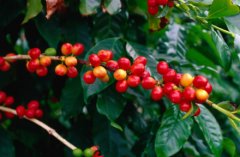
The picking of coffee beans coffee beans are the seeds of coffee trees.
Coffee beans are the seeds of coffee trees. After 3-4 years of growth, the coffee tree matures and begins to bear fruit in clusters or clusters along the branches. The outside of the seed is a layer of peel, which can be picked as soon as it turns red. Under the red skin (exocarp) there is a layer of pulp (mesocarp), which is a small thin layer, and then a layer of material endocarp like parchment. In all
2015-09-08 Coffee beans picking coffee tree knot coffee bean over 3-4
Characteristics of Ecuadorian coffee beans with state-owned large seed gardens
When Thomas and his crew landed on the island, they frantically searched for water and were so thirsty that they squeezed juice from the fat petals of cacti to drink. Finally found water in a ravine in a rock. Thomas attributed it to God because it was Good Friday and they had celebrated Mass piously before setting out in search of water. But Thomas would never
2016-06-24 owned state-owned large seed garden ecuador coffee beans characteristics presentation tomas
Coffee Plantation Galapagos Islands-San Cristobal Coffee Production Area
Coffee from the home of the giant turtle. This coffee is of excellent quality and grown without any chemicals. Coffee is grown in Saint Crstbal. San Cristobal is one of the larger islands in the Galapagos Islands and the only island in the archipelago with sufficient fresh water. At 410 meters above sea level,
2016-06-17 coffee plantations lapa gos archipelago cristobal appellations from
Introduction of Galapagos Coffee Bean producing area-San Cristobal
St. Cristobal is a larger island in the Galapagos Islands (Galapagos Islands) and the only one in the archipelago with plenty of fresh water. At an altitude of 410m, there is a small lake called El.Junco. Several streams flow along the rocks and volcanic rocks on the southern slope of the island. Shengke is nourished by mineral-rich fresh water.
2016-06-16 Lapa Goss coffee beans producing areas introductions Crystal Val WA
Starting with Coffee beans (21)-America-Galapagos Islands
Coffee treasures from the hometown of giant turtles this coffee treasure is of excellent quality and is grown without any chemicals. Coffee is grown in San Cristobal (Saint Crstbal). St. Cristobal is a larger island in the Galapagos Islands (Galapagos Islands) and the only one in the archipelago with plenty of fresh water. At 410 meters above sea level on the island
2014-06-12 Coffee beans America Galapagos Islands
Galapagos Coffee San Cristobal area of excellent quality
In 1875, the Ecuadorian native Ma Covos planted about 100 hectares of Arabian bourbon coffee trees at the Hasunda Coffee Garden (Hacienda El Cafetal) in San Cristobal. The elevation of the plantation is between 140m and 275m, and the climate in this area is equivalent to that of 910m to 1830 m inland. This gradient is very suitable for super hard coffee with high acidity.
2016-06-18 Quality excellent Lapa Goss Coffee Crystal Val producing area 1875
Introduction of Ecuadorian coffee bean flavor Ecuadorian Coffee Manor Santa Cruz Manor
When Thomas and the crew landed on the island, they were frantically looking for water and were so thirsty that they squeezed juice from the fat leaves of the cactus to drink. At last a source of water was found in a rocky gully. Thomas attributed it to the gift of God, because it was good Friday, and they had piously celebrated mass before they set out in search of water. But Thomas will never
2016-07-27 Ecuador coffee beans flavor introduction coffee manor Crewe Thomas crew