“effort” search results (4207)

10 factors to consider when choosing raw coffee beans
Although Cupping is undoubtedly the clearest way to check coffee beans, you can still see how carefully coffee beans are processed by looking at their appearance.
2014-06-18 Coffee knowledge selection of coffee beans coffee encyclopedia
The history of the French kettle
The historical instrument of the French pressure kettle-the French pressure kettle, can also be called the tea maker-French Press. As early as 30 years ago, Alfred Peet, founder of PeetPeets Coffee Tea, a famous roaster in the Berkeley district of the West Coast of the United States, made every effort to promote this convenient, fast and effective way of brewing. Pitt believes that only by using French pressure
2014-07-29 The history of the French kettle
A very balanced and refreshing Ecuadorian coffee-flavored manor area introduces Santa Cruz Manor.
The main problem facing coffee producers is their efforts to maintain stable quality. The coffee here is generally well-balanced and refreshing, with a unique flavor. Ecuador is one of the few countries in South America that produces both Arabica and Robbins. However, as the land suitable for Arabica coffee trees is decreasing, the production of Robbins coffee is gradually increasing.
2016-08-01 Taste very balanced refreshing Ecuador coffee flavor manor producing area medium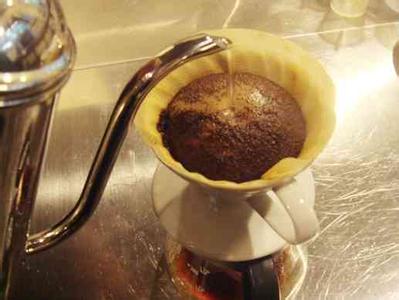
Traditional coffee making methods and coffee making skills
Siphon brewing method: using the principle of steam pressure (a method invented by a marine engineer, probably inspired by a steam engine), the heated water flows upward from the lower beaker through a siphon and filter cloth, and then mixed with the coffee powder in the upper cup, and the ingredients in the coffee powder are completely quenched out, and the quenched coffee liquid flows again after removing the fire source.
2015-02-27 Traditional coffee production methods techniques siphon brewing utilization steam pressure original
Methods and principles of four kinds of Coffee blending
Siphon brewing method: using the principle of steam pressure (a method invented by a marine engineer, probably inspired by a steam engine), the heated water flows upward from the lower beaker through a siphon and filter cloth, and then mixed with the coffee powder in the upper cup, and the ingredients in the coffee powder are completely quenched out, and the quenched coffee liquid flows again after removing the fire source.
2014-08-11 Four kinds coffee blending method and its principle siphon brewing utilization steam
Methods and principles of four kinds of Coffee blending
Siphon brewing method: using the principle of steam pressure (a method invented by a marine engineer, probably inspired by a steam engine), the heated water flows upward from the lower beaker through a siphon and filter cloth, and then mixed with the coffee powder in the upper cup, and the ingredients in the coffee powder are completely quenched out, and the quenched coffee liquid flows again after removing the fire source.
2015-09-18 Four kinds coffee blending method and its principle siphon brewing utilization steam
Details of coffee beans that you need to pay attention to when buying raw coffee beans
How to buy raw beans? What kind of raw beans are good raw beans? Raw bean sellers (usually coffee farmers or processing plants that deal with raw beans) must be responsible for the grading of coffee beans before they are sold to buyers (usually importers, brokers, or bean merchants). Once the grading is completed, the two grades of coffee are "Exceptional" and "Specialty".
2014-09-12 Coffee knowledge coffee raw beans coffee beans purchase
The History of French Press in Coffee training Culture
French pressure pot frenchpress, as early as 30 years ago, Alfred Pitt, the founder of Pitt Coffee, a famous roaster in the Berkeley district of the West Bank of the United States, made every effort to promote this convenient, fast, and effective way of brewing. Pitt believes that only the use of French pressure can perfectly demonstrate the charming and mellow flavor of deep-roasted coffee. The piston pot method is called the pressure method in France and the United States in the United States.
2014-10-09 Coffee knowledge coffee culture French presser coffee history
Flavor and taste characteristics of fine coffee beans from Rwanda introduce the types of coffee beans from Rwanda
The mission of the Rwanda Coffee Association is to manage and supervise the operation of the coffee industry in Rwanda from production to sale. The recently revised mission focuses on policy formulation and implementation, with more emphasis on the need to improve the professionalism of the coffee industry and to increase marketing efforts. Since the establishment of the Rwanda Coffee Association, it has developed the Rwandan coffee very well.
2016-07-18 Rwanda boutique coffee beans flavor taste characteristics introduction type
What is the skill of how to tell the good from the bad of coffee?
There are three steps: smell, see, and peel. ◎ smell: hold the coffee beans close to your nose and take a deep breath to see if you can clearly smell the aroma of the coffee beans. If so, the coffee beans are fresh enough. On the contrary, if the aroma is weak, or has begun to appear greasy, it means that the coffee beans are not fresh at all. This kind of coffee beans, no matter how much effort you put into grinding,
2016-06-06 How distinguish coffee what skills three steps coffee beans close nose
The History of Coffee Machine Coffee utensils pressure Pot
French pressure pot frenchpress, as early as 30 years ago, Alfred Pitt, the founder of Pitt Coffee, a famous roaster in the Berkeley district of the West Bank of the United States, made every effort to promote this convenient, fast, and effective way of brewing. Pitt believes that only the use of French pressure can perfectly demonstrate the charming and mellow flavor of deep-roasted coffee. The piston pot method is called the pressure method in France and the United States in the United States.
2014-12-30 Coffee machine coffee utensils French kettle history frenchpre
The preparation of coffee the traditional method of making coffee
Siphon brewing method: using the principle of steam pressure (a method invented by a marine engineer, probably inspired by a steam engine), the heated water flows upward from the lower beaker through a siphon and filter cloth, and then mixed with the coffee powder in the upper cup, and the ingredients in the coffee powder are completely quenched out, and the quenched coffee liquid flows again after removing the fire source.
2015-03-02 Coffee preparation tradition production method siphon brewing utilization steam pressure original
How to determine the freshness of coffee beans with the common sense of fine coffee
There are three steps: smell, see, and peel. Smell: put the coffee beans close to the nose and smell them deeply to see if you can clearly smell the aroma of the coffee beans. If so, the coffee beans are fresh enough. On the contrary, if the aroma is weak, or has begun to appear greasy, it means that the coffee beans are not fresh at all. This kind of coffee beans, no matter how much effort you put into grinding and going
2014-12-16 Boutique coffee common sense how to judge coffee beans freshness three steps
Understanding the history of pressing pots with utensils
Know the utensils-the French kettle, or call it the tea maker-French Press. As early as 30 years ago, Alfred Peet, founder of PeetPeets Coffee Tea, a famous roaster in the Berkeley district of the West Coast of the United States, made every effort to promote this convenient, fast and effective way of brewing. Pitt believes that only by using French pressure can we show the depth perfectly.
2015-10-08 Knowledge utensils dharma kettles sayings pots history knowledge also
The method and principle of four kinds of Coffee blending
Siphon brewing method: using the principle of steam pressure (a method invented by a marine engineer, probably inspired by a steam engine), the heated water flows upward from the lower beaker through a siphon and filter cloth, and then mixed with the coffee powder in the upper cup, and the ingredients in the coffee powder are completely quenched out, and the quenched coffee liquid flows again after removing the fire source.
2015-04-20 Coffee common sense four kinds blending method and its principle siphon brewing utilization
Ten key points in the selection of raw beans selection of coffee beans
Here are 10 factors to consider when choosing raw coffee beans: 1. The size of raw beans should be very similar. The appearance must be as consistent as possible, and the color should be similar. This project determines the color uniformity after baking and the difference in taste after baking. For example, 17DB 18, 15ax 16, 13b 14, etc., because beans with smaller grains are associated with
2016-05-20 Selection raw beans top ten main points coffee beans below selection coffee need
The History of the pressure Pot the Origin of frenchpress
French pressure pot frenchpress, as early as 30 years ago, Alfred Pitt, the founder of Pitt Coffee, a famous roaster in the Berkeley district of the West Bank of the United States, made every effort to promote this convenient, fast, and effective way of brewing. Pitt believes that only the use of French pressure can perfectly demonstrate the charming and mellow flavor of deep-roasted coffee. The piston pot method is called the pressure method in France and the United States in the United States.
2015-10-15 French kettle history frenchpress origin fren
Four common coffee brewing methods and their principles in cafes
Siphon brewing method: using the principle of steam pressure (a method invented by a marine engineer, probably inspired by a steam engine), the heated water flows upward from the lower beaker through a siphon and filter cloth, and then mixed with the coffee powder in the upper cup, and the ingredients in the coffee powder are completely quenched out, and the quenched coffee liquid flows again after removing the fire source.
2014-09-12 Coffee knowledge common brewing methods of coffee siphon pot dripping coffee filter paper coffee
Bolivian Coffee Plantation Flavor Introduction Bolivian Coffee Features
Arabica coffee cannot be grown at altitudes higher than 2000 meters, and if the altitude is too high, the coffee trees will freeze due to the low temperature. Bolivian coffee is mainly grown in the Yungas region northeast of La Paz. Bordering the Amazon River basin, it is about 1500-2500 meters above sea level and has an average annual temperature of about 10-15 ° C. Therefore, coffee growth is guaranteed.
2016-07-21 Bolivia Coffee Manor Region Flavor Taste Introduction Characteristics Rabbi
Notes on the purchase of coffee and raw beans
Sellers of raw coffee beans are mainly responsible for grading coffee beans before selling them to coffee bean sellers. After the grading is completed, premium coffee beans and boutique coffee beans will be selected, although they will have some defects but do not affect the coffee rating.
2014-08-18 Coffee knowledge purchase of raw beans coffee beans instructions