“dry season” search results (2000)

Guatemala Antigua Coffee Estate Flavor Taste Introduction
Guatemala is located in the tropics. The northern and eastern coastal plain areas belong to tropical rain forest climate, while the southern mountainous areas belong to subtropical climate. There are two dry and wet seasons in a year. The wet season is from May to October, and the dry season is from November to April of the following year. The central plateau is also the cultural center of Guatemala, where temperatures are mild all year round at 1300 to 1800 meters, with daily temperatures ranging from 18 to 28 degrees Celsius, and higher in January
2016-07-14 Guatemala Antique Coffee Manor Region Flavor Taste Introduction
Characteristics of coffee from eight major producing areas in Guatemala Guatemala coffee beans
Eight major coffee producing areas in Guatemala. Acatenango Valley?: the Acatenango Valley valley is 2000 meters (6500 feet) above sea level, with dense shade and unique ecology. Nearby Fuego volcanoes continue to erupt, making its coarse, sandy soil rich in a variety of minerals. Temperate sea breezes from the Pacific and seasonal
2015-11-09 Guatemala eight producing areas Coffee characteristics Guardia Mala Coffee beans Guatemala Horse
Characteristics of Coffee Producing Areas in Guatemala
Photograph/Compilation: Huang Wei Copyright Guatemala is a famous high-quality Arabica coffee producing country in Central America. The coffee from five volcanic producing areas and three non-volcanic producing areas is very unique and enjoys a high reputation in the international market. Eduardo Ambrocio of Guatemala Coffee introduced Guatemala coffee to the audience at SCAA Houston in April 2010. Thank you very much.
2014-10-16 Coffee knowledge Coffee growing region Guatemala Coffee characteristics
Basic knowledge of coffee beans with coffee characteristics in eight major producing areas of Guatemala
Guatemala is a famous producer of high-quality Arabica coffee in Central America. Coffee from five volcanic and three non-volcanic producing areas is very unique and enjoys a high reputation in the international market. Mr. EduardoAmbrocio of the Guatemalan Coffee Company introduced Guatemalan coffee to the audience at the SCAA Houston show in April 2010. 1. Alcatraguo Valley (AcatenangoValley)
2015-10-13 Guatemala big eight producing areas coffee characteristics coffee beans basics common sense Guatemala horse
Introduction to Antigua Coffee Latisa Chateau
Guatemala is located in the tropics, the northern and eastern coastal plains have a tropical rain forest climate, the southern mountains have a subtropical climate, the year is divided into two dry and wet seasons, with the wet season from May to October and the dry season from November to April of the following year. The central plateau is also the cultural center of Guatemala, where temperatures are mild all year round at an altitude of 1300 to 1800 meters, with daily temperatures between 18 and 28 ℃, and higher in January
2016-08-03 Monosodium glutamate fine Guatemala coffee manor producing area flavor taste introduction Ann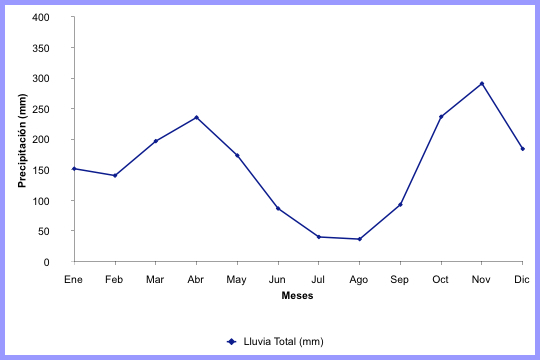
World boutique Coffee Manor beans: Narinho Cafe de Narino, a coffee producing area in Colombia
Photo 1: narino roadside scenery Narino: geographical location Narino, the domestic coffee industry translated as Na Linglong, really very poetic and aesthetic, people can not help but think of Xu Zhimo's emerald cold. Literal translation, Nalinho. It is a province in southwestern Colombia, 640km from the capital Bogota. It borders Ecuador to the south, Cauca province to the north, Huila province to the northeast and Put to the southeast.
2015-12-22 World boutique coffee manor Columbia producing area Renio Cafe N
Colombia coffee producing area Southwest Cauca
Cauca is similar to other southwestern regions, with a clear monomodal distribution of precipitation, with the dry season occurring mainly in August and September each year, followed by a concentrated coffee flowering season followed by a concentrated coffee harvest season the following year. To say that the biggest difference between Kauka and other producing areas in climate is probably the relatively large temperature difference, with a daily average temperature of 11 ° C and a daytime average temperature of 11 ° C.
2016-06-14 Colombia Coffee Region Southwest Cauca Other
Characteristics of Coffee from Eight Major Producing Areas in Guatemala
Photograph/Compilation: Huang Wei Copyright Guatemala is a famous high-quality Arabica coffee producing country in Central America. The coffee from five volcanic producing areas and three non-volcanic producing areas is very unique and enjoys a high reputation in the international market. Eduardo Ambrocio of Guatemala Coffee introduced Guatemala coffee to the audience at SCAA Houston in April 2010. Thank you very much.
2014-09-25 Guatemala coffee-producing region
Characteristics of Coffee in eight producing areas of Guatemala
Photo / compilation: Huang Wei copyright Guatemala is a famous high-quality Arabica coffee producer in Central America. Coffee from five volcanic and three non-volcanic producing areas is very unique and enjoys a high reputation in the international market. Mr. EduardoAmbrocio of the Guatemalan Coffee Company introduced Guatemalan coffee to the audience at the SCAA Houston show in April 2010. Thank you, Ambroci.
2015-10-07 Guatemala eight producing areas coffee features photography compilation Huang Wei all rights reserved
Flavor and taste of Guatemala Coffee Manor Incht Manor Guatemala Antigua Coffee
Guatemala is located in the tropics, the northern and eastern coastal plains have a tropical rain forest climate, the southern mountains have a subtropical climate, the year is divided into two dry and wet seasons, with the wet season from May to October and the dry season from November to April of the following year. The central plateau is also the cultural center of Guatemala, where temperatures are mild all year round at an altitude of 1300 to 1800 meters, with daily temperatures between 18 and 28 ℃, and higher in January
2016-07-26 Guatemala Coffee Manor producing area Flavor palate introduction Hutt Antioch danger
Costa Rican Tarazu Black Milos Santos Fine Coffee very hard beans
Boutique coffee (specialty coffee) is also called specialty coffee selection coffee. It refers to coffee made from a small number of raw beans with excellent taste grown in an ideal geographical environment. Depending on the special soil and climatic conditions in which they grow, they have outstanding flavor. After strict selection and classification, this kind of coffee is hard in texture, rich in taste and stylish.
2016-06-22 Costa Rica Tara Hermione Ross Toth producing area boutique coffee extremely hard
Introduction to the flavor of Guatemala Antigua coffee beans and Guatemalan coffee manor
Guatemala is located in the tropics, the northern and eastern coastal plains have a tropical rain forest climate, the southern mountains have a subtropical climate, the year is divided into two dry and wet seasons, with the wet season from May to October and the dry season from November to April of the following year. The central plateau is also the cultural center of Guatemala, where temperatures are mild all year round at an altitude of 1300 to 1800 meters, with daily temperatures between 18 and 28 ℃, and higher in January
2016-07-28 Guatemala Antioch coffee beans coffee manor producing area flavor introduction Guatemala horse
Introduction to the characteristics of Rwanda Coffee Flavor and Flavor Manor
The biggest harvest season for Rwandan coffee is during the main rainy season, from March to the end of May. During the harvest season, farmers spend most of their day picking coffee fruits by hand. In the afternoon, farmers carry coffee fruits in traditional baskets made of banana leaves to a cleaning station a few hours away. The mechanic uses his hands to make the best quality coffee with crimson color.
2016-08-04 Rwanda coffee flavor taste manor producing area characteristics introduction boutique
Nicaraguan Maraka Dura Coffee Flavor description, Grinding characteristics, introduction to the taste of varieties
This is because Guatemala is located in the tropics, the northern and eastern coastal plains have a tropical rain forest climate, and the southern mountains have a subtropical climate, with two dry and wet seasons a year, with the wet season from May to October and the dry season from November to April of the following year. The central plateau is also the cultural center of Guatemala, where temperatures are mild all year round at an altitude of 1300 to 1800 meters, with daily temperatures between 18 and 28 ℃.
2016-10-14 Nicaragua Maraka Raqqa Dula coffee flavor description grinding characteristics
Fine Coffee producing areas of Guatemala Coffee characteristics Jane
Mr. Eduardo Ambrocio of the Guatemalan Coffee Company introduced Guatemalan coffee to the audience at the SCAA Houston show in April 2010. Thanks to Ambrocio for giving samples of coffee from eight major producing areas in Guatemala. Eight major coffee producing areas in Guatemala. Acatenango Valley: Acatenango Valley is high above sea level
2014-10-15 Coffee knowledge coffee producing areas Guatemala coffee encyclopedia
Introduction of Coffee from eight Major producing areas in Guatemala the origin of Guatemalan coffee is in danger.
Guatemala is a famous producer of high-quality Arabica coffee in Central America. Coffee from five volcanic and three non-volcanic producing areas is very unique and enjoys a high reputation in the international market. Mr. EduardoAmbrocio of the Guatemalan Coffee Company introduced Guatemalan coffee to the audience at the SCAA Houston show in April 2010. 1. Alcatraguo Valley (AcatenangoValley)
2016-03-25 Guatemala eight producing areas Coffee introduction Viv Origin Manor
Introduction to the Flavor and Taste Manor production area of Coffee growing area in Guatemala
Guatemala is located in the tropics, the northern and eastern coastal plains have a tropical rain forest climate, the southern mountains have a subtropical climate, the year is divided into two dry and wet seasons, with the wet season from May to October and the dry season from November to April of the following year. The central plateau is also the cultural center of Guatemala, where temperatures are mild all year round at an altitude of 1300 to 1800 meters, with daily temperatures between 18 and 28 ℃, and higher in January
2016-07-14 Guatemala coffee growing area flavor taste manor producing area introduction Guatemala horse
The flavor and taste characteristics of Guatemalan coffee manor with rich volcanic soil introduce Latisa Villa.
This is because Guatemala is located in the tropics, the northern and eastern coastal plains have a tropical rain forest climate, and the southern mountains have a subtropical climate, with two dry and wet seasons a year, with the wet season from May to October and the dry season from November to April of the following year. The central plateau is also the cultural center of Guatemala, where temperatures are mild all year round at an altitude of 1300 to 1800 meters, with daily temperatures between 18 and 28 ℃.
2016-08-09 Rich volcano soil Guatemala coffee manor producing area flavor taste special
Coca Cauca Lazimus Manor introduced in Colombian boutique coffee producing area
Cauca province is similar to other southwest producing areas, the precipitation shows an obvious unimodal distribution (monomodal), and the dry season mainly occurs from August to September every year, followed by a concentrated coffee blossom season followed by the next year's concentrated coffee harvest season. The biggest difference in climate between Cauca and other producing areas is probably the relatively large temperature difference, with an average daily temperature of 11 ℃ and daytime.
2016-06-27 Columbia boutique coffee producing area introduction Cauca Raz Mo
Chateka Cauca Lazimus Manor, a boutique coffee producing area in Colombia
Cauca province is similar to other southwest producing areas, the precipitation shows an obvious unimodal distribution (monomodal), and the dry season mainly occurs from August to September every year, followed by a concentrated coffee blossom season followed by the next year's concentrated coffee harvest season. The biggest difference in climate between Cauca and other producing areas is probably the relatively large temperature difference, with an average daily temperature of 11 ℃ and daytime.
2016-06-28 Columbia boutique coffee producing areas Cauca Raz Moss Chuang