“dried Fruit” search results (4000)
Processing method of high-quality coffee beans coffee refining method
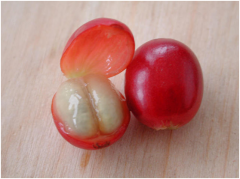
There are a pair of oval seeds in the center of the fruit of the coffee tree, which are covered with exocarp, endocarp and pulp. Ripe fruit will rot in a short period of time without treatment, so the purpose of refining is to enable coffee beans to be preserved for a long time, easy to store and circulate. Figure (1) Coffee fruit Coffee fresh fruit should be dealt with immediately after being harvested. Refining is to remove the peel and pulp of coffee fruit
2015-01-23 Boutique coffee beans treatment method coffee fruit center pair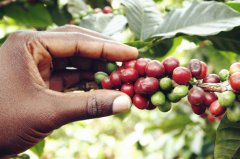
Coffee bean flavor black coffee with different coffee bean dry, semi-dry, wet and honey treatments
Coffee beans are treated in the following ways: sun (Natural); half-sun (Semi-Natural or Pulped-Natural); Honey processing (honey) and Washed (washing). Our most common treatment is Washed. The washing treatment means that after the coffee fruit is harvested, the immature and immature coffee fruits are screened out in a special way.
2016-06-23 Coffee beans dry wet and treatment different flavor coffee coffee beans
Introduction to coffee treatment: introduction to honey treatment
Dry treatment Dry Processing dry treatment is the most primitive treatment method; compared with wet treatment (water washing method) it needs less equipment and water source, manpower cooperation, the treatment method is relatively simple. It covers the following different ways:? Sun-Dried / Natural tanning? Pulped Natural / Honey (Miel) honey treated Sun-Dried or Na
2016-08-03 Coffee processing introduction method dry Dry Processi
Description of quality, taste and flavor of washing and sun-drying English coffee and bean honey treatment
The sun drying method is also called natural drying method because it uses natural sunlight to dry the fruits and raw beans of coffee. Due to the use of artificial and natural treatment methods in the process, the sun-cured beans look irregular and unflattering in appearance. 1. Choose beans: if you put the harvested fruit in the water tank, the ripe fruit will sink, while the immature and overripe fruit will float.
2016-10-24 Washing tanning English coffee beans treatment quality taste flavor description introduction
Harvesting and processing of small Coffee beans
Timely harvest is an important link to ensure high yield and improve product quality of coffee. The harvest time of small seed coffee is more concentrated, when the fruit turns red, it can be harvested. It should be picked along with ripening. After completely turning red, the fruit is easy to fall off. Wet processing is generally used in processing. (1) washing fruit. Wash away the soil or sundries that stick to the fruit. (2) grading of fresh fruit. Green fruit, dried fruit,
2014-09-02 Yunnan Province small-grain coffee cultivation coffee cultivation techniques coffee harvesting coffee processing
The processing method of fresh coffee beans-- drying method
Two methods in the processing of fresh coffee beans: wet treatment & drying
2014-06-17 Coffee knowledge fresh coffee beans coffee bean treatment drying method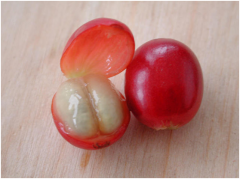
Processing methods of high-quality coffee beans
There are a pair of oval seeds in the center of the fruit of the coffee tree, which are covered with exocarp, endocarp and pulp. Ripe fruit will rot in a short period of time without treatment, so the purpose of refining is to enable coffee beans to be preserved for a long time, easy to store and circulate. Figure (1) Coffee fruit Coffee fresh fruit should be dealt with immediately after being harvested. Refining is to remove the peel and pulp of coffee fruit
2015-10-24 Boutique coffee beans treatment methods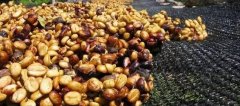
In addition to the sun, washing and washing, there is also a method called honey treatment.
Http://blog.seattlecoffeeworks.com/roastery/earth-honey-process/ do you know where coffee comes from? Today, we have carefully prepared this article for your readers. The article gives a rough account of how coffee beans change from fruit to mellow coffee. Among them, we focus on the raw bean treatment process of coffee, as well as
2015-09-10 Coffee processing methods in addition to the sun washing and a kind called honey English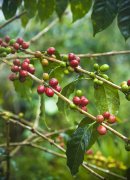
Brazilian Green Coffee Processing Craft Coffee Green Coffee Merchant American Fine Coffee
The four most common treatments for Brazilian coffee are sun, desizing, half-washing and washing, with sun being the most popular. Since the harvest seasons of Cerrado Mineiro and Mogiana Paulista, Brazil's two main producing areas, are both dry seasons of the year, natural solarization is common in this area.
2016-06-24 brazil coffee green beans processing craft americas fine common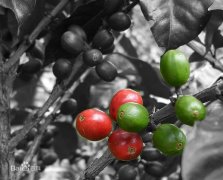
Understand Brazilian Coffee and enter Brazilian boutique Coffee products
It is unique that growers from each producing area will study and develop local processing techniques according to the characteristics of the local environment, and it is Dangdu's unique raw bean processing technology that makes coffee tastes different from one place to another. The treatment of raw beans is like the brewing process of beer, different methods will lead to different tastes of coffee. Most of us are right about ourselves.
2016-06-02 Understand Brazil coffee enter boutique single product unique each origin species
Understand Brazilian Coffee and enter Brazilian boutique Coffee products
It is unique that growers from each producing area will study and develop local processing techniques according to the characteristics of the local environment, and it is Dangdu's unique raw bean processing technology that makes coffee tastes different from one place to another. The treatment of raw beans is like the brewing process of beer, different methods will lead to different tastes of coffee. Most of us are right about ourselves.
2016-06-02 Understand Brazil coffee enter boutique single product unique each origin species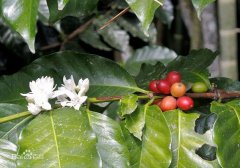
How many treatments are there for Brazilian coffee? Brazilian coffee flavor
The four most common treatment methods of Brazilian coffee are natural solarization, desizing, semi-washing and water washing, among which natural solarization is the most popular. Since the harvest seasons in Brazil's two main producing areas, Serrado Minero (CerradoMineiro) and Mogiana Paulista (Mogiana Paulista), are both dry seasons of the year, natural solarization is popular in this region.
2016-06-06 Brazil coffee how much treatment way flavor common four kinds
Specific introduction to the production of coffee beans
After harvest, peel, pulp, racing peel and silver peel should be removed before shipping and listing. There are two kinds of methods: drying (also known as natural or non-washing) and washing. Dry type: the method is relatively simple. First of all, spread the freshly harvested fruit on the sun field for a week or two until the fruit crackles and dries naturally. After that, the sheller will dry the fruit.
2016-05-25 Coffee beans production specific introduction harvest fruit shipment listing removal husk
Specific introduction to the production of coffee beans
After harvest, peel, pulp, racing peel and silver peel should be removed before shipping and listing. There are two kinds of methods: drying (also known as natural or non-washing) and washing. Dry type: the method is relatively simple. First of all, spread the freshly harvested fruit on the sun field for a week or two until the fruit crackles and dries naturally. After that, the sheller will dry the fruit.
2016-05-25 Coffee beans production specific introduction harvest fruit shipment listing removal husk
Introduction to the production methods and treatment methods of coffee beans
After harvest, peel, pulp, racing peel and silver peel should be removed before shipping and listing. There are two kinds of methods: drying (also known as natural or non-washing) and washing. The drying method is relatively simple. First of all, spread the freshly harvested fruit on the sun field for a week or two until the fruit crackles and dries naturally. After that, the dried pulp is removed by a sheller.
2016-06-27 Coffee beans mode of production treatment method introduction coffee fruit harvest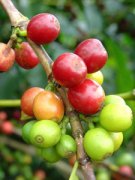
Brazilian coffee beans processing Brazilian coffee green beans wholesale coffee beans American coffee beans
The four most common treatments for Brazilian coffee are sun, desizing, half-washing and washing, with sun being the most popular. Since the harvest seasons of Cerrado Mineiro and Mogiana Paulista, Brazil's two main producing areas, are both dry seasons of the year, natural solarization is common in this area.
2016-07-08 Brazil coffee beans processing way coffee green beans wholesale America
Drying method for processing fresh coffee beans
The drying method, also known as the natural method, is the oldest and simplest and does not require any machines.
2014-07-08 Coffee knowledge coffee bean treatment drying method coffee encyclopedia
Processing method of fresh coffee beans-- wet treatment
Two methods in the processing of fresh coffee beans: wet treatment & drying
2014-06-17 Coffee knowledge coffee fresh beans coffee bean processing
How to treat fresh coffee fruit into raw coffee beans?
The variety of coffee treated with raw beans certainly determines the natural flavor, but the treatment of raw beans determines the acquired quality. Selected coffee attaches great importance to flavor and quality, so it pays special attention to the technology and details of processing.
2014-06-05 Coffee fresh fruit coffee raw bean
Coffee bean production process and common coffee processing methods
Process Description: 1. Remove the shell and remove the coffee shell. 2, choose beans, remove moldy coffee beans. 3, cleaning, washing coffee with water to wash away surface dirt. 4. Bake, bake at 90~100℃ for half an hour. 5. Grinding: grinding and crushing the processed coffee with a roller grinder. 6, pulping (add water), add coffee about 3 times the 95℃ hot water
2014-07-08 Coffee knowledge Coffee bean production Coffee encyclopedia