“digestive system” search results (600)

Indonesia Kopi Luwak flavor manor production area introduction Arabica coffee manor civet coffee
Kopi Luwak, produced in Indonesia, grows a lot of coffee crops, including wild animals called civets, omnivores, pointed mouths and dark gray fur. Indonesians call them Luwak. Luwak likes to choose the most ripe, sweet, juicy coffee fruit in the coffee tree as food. While the coffee fruit passes through its digestive system, only the appearance of the fruit is digested.
2016-08-03 Indonesia cat shit coffee flavor taste manor producing area introduction rabbi musk
Mature and sweet Kopi Luwak grind taste introduction to the flavor description characteristics of fine coffee in producing areas
Kopi Luwak is produced by the feces of Indonesian coconut cats (a kind of civet) as raw materials, so it is called Kopi Luwak. This kind of animal mainly feeds on coffee beans. After completing fermentation in the coconut cat's stomach, it destroys proteins, produces short peptides and more free amino acids, reduces the bitterness of coffee, and then excretes feces as the main raw material. Because coffee beans cannot be digested, they will be
2016-10-09 Mature sweet cat poop coffee grinding taste variety producing area boutique flavor
What is the best coffee to drink in Indonesia? how to grow Kopi Luwak?
Kopi Luwak is produced by the feces of Indonesian coconut cats (a kind of civet) as raw materials, so it is called Kopi Luwak. This kind of animal mainly feeds on coffee beans. After completing fermentation in the coconut cat's stomach, it destroys proteins, produces short peptides and more free amino acids, reduces the bitterness of coffee, and then excretes feces as the main raw material. Because coffee beans cannot be digested, they will be
2016-05-23 Indonesia what coffee delicious cat shit how planting
Indonesian civet boutique coffee bean flavor taste manor characteristics of Kopi Luwak
According to information, there is a creature of the cat family on the island of Java in Indonesia, called the civet. This kind of cat likes to choose the most ripe, sweet, juicy coffee fruit in the coffee tree as food, and was once regarded as a mortal enemy by coffee farmers. But it was this mortal enemy that led Indonesia to produce the world's purest naturally fermented coffee farmers who accidentally found coffee beans in the feces of civets.
2016-08-08 Indonesia musk boutique coffee beans flavor taste manor producing area characteristics introduction
A particularly mellow civet coffee flavor description, grindability characteristics, introduction to the taste of varieties in producing areas
In the coffee industry, Kopi Luwak is widely regarded as a product with novelty as the selling point. The American Special Coffee Association (Specialty Coffee Association of America,SCAA) says the industry consensus is that it tastes bad. SCAA quoted a coffee expert as saying: obviously, the selling point of Kopi Luwak is its story, not its quality. Adopt SCAA
2016-10-12 Taste special mellow musk coffee flavor description grinding characteristics variety
Characteristics of Grinding degree of Coffee Coffee from Musk Coffee introduction to the processing method of fine coffee beans in producing areas
Kopi Luwak is produced by the feces of Indonesian coconut cats (a kind of civet) as raw materials, so it is called Kopi Luwak. This kind of animal mainly feeds on coffee beans. After completing fermentation in the coconut cat's stomach, it destroys proteins, produces short peptides and more free amino acids, reduces the bitterness of coffee, and then excretes feces as the main raw material. Because coffee beans cannot be digested, they will be
2016-10-10 Musk coffee grinding characteristics varieties producing areas boutique coffee beans treatment methods
Introduction of Indonesian Fine Coffee Muscat Coffee Bean Kopi Luwak Flavor taste Manor
Coconut cats are omnivores. In addition to eating seeds, they also eat insects, snakes, birds, amphibians and reptiles, so the feces discharged by really wild coconut cats will be mixed with all kinds of substances. Local farmers in Indonesia catch coconut cats to raise them and feed coffee beans to make them. But after all, there are some differences between artificial cultivation and natural ones. Civet coffee
2016-07-11 Indonesia boutique coffee musk coffee beans cat shit flavor taste manor
Full and juicy civet coffee flavor description fermentation process treatment method grinding degree mouth feeling
Traditionally, coffee fruit is washed or tanned to remove the peel, pulp and sheep skin, and finally take out the coffee beans, but Luwak uses the method of natural fermentation in the body to remove the coffee beans, so it has a special flavor. In the mountains of Indonesia, there is a kind of civet named Luwak that likes to eat oar coffee fruits, but the hard coffee seeds cannot be digested.
2016-09-30 Full juicy musk coffee flavor description fermentation process treatment way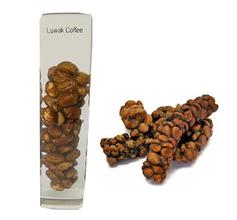
Civet Coffee Premium Coffee Bean Civet Coffee Latest News
Cat poop coffee, Indonesia. In the early 18th century, the Dutch established coffee plantations in the Indonesian colonies of Sumatra and Java, and prohibited the locals from picking and eating their own coffee fruits. Indonesian locals accidentally discovered that civet cats love to eat these coffee fruits and will expel the beans intact when they defecate. Civets only pick the best.
2015-12-12 Musk Coffee Fine Coffee Bean Latest News Cat poop Made in Indonesia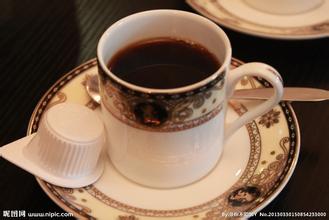
Indonesian Coffee Manor with unique Flavor introduction to Kahayang Gan Manor
In Indonesian, Kopi means coffee, and Luwak is the name of the civet commonly known in Indonesia. It is said that the coffee produces no more than 500 pounds a year, and the price per pound ranges from $300 to $800, depending on the year, because there is not a fixed production every year. In the international market, Luwak coffee has always been a veritable luxury, the most important
2016-08-08 Flavor tendency unique Indonesia coffee manor producing area taste characteristics introduction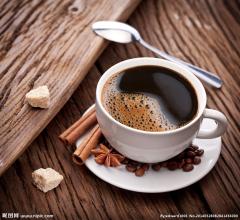
Indonesian Muscat Coffee Kopi Luwak introduction to Sumatra Coffee producing areas
Kopi Luwak is produced by the feces of Indonesian coconut cats (a kind of civet) as raw materials, so it is called Kopi Luwak. This kind of animal mainly feeds on coffee beans. After completing fermentation in the coconut cat's stomach, it destroys proteins, produces short peptides and more free amino acids, reduces the bitterness of coffee, and then excretes feces as the main raw material. Because coffee beans cannot be digested, they will be
2016-07-11 Indonesia musk coffee cat shit introduction Sumatra producing area yes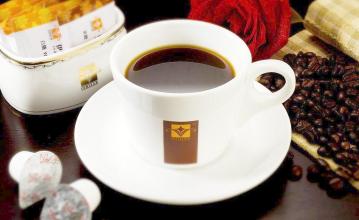
Insipid taste of civet coffee flavor taste manor characteristics of boutique coffee beans
Of course, many people also seem to regard this insipid taste as the advantage of this kind of coffee. Tim Carman, a food columnist for the Washington Post, commented on Kopi Luwak sold in the United States and concluded that it tasted like Folger coffee. It's like rotten, lifeless taste. It's like petrified dinosaur shit in bath water. I can't finish it, civet.
2016-09-06 Insipid taste musk coffee flavor manor producing area characteristics boutique
Mature sweet civet coffee flavor taste manor characteristics of boutique coffee beans
Coconut cats are omnivores. In addition to eating seeds, they also eat insects, snakes, birds, amphibians and reptiles, so the feces discharged by really wild coconut cats will be mixed with all kinds of substances. Local farmers in Indonesia catch coconut cats to raise them and feed coffee beans to make them. But after all, there are some differences between artificial cultivation and natural ones. Civet Coffee Coffee (
2016-08-11 Ripe sweet musk coffee flavor taste manor producing area characteristics boutique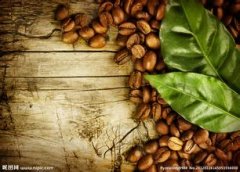
The origin of Kopi Luwak the flavor of Kopi Luwak the characteristics of Kopi Luwak the price of Kopi Luwak
Civet Coffee (Kopi Luwak), native to Indonesia. It is one of the most expensive coffee in the world, with a price of several hundred dollars per pound. It is extracted from the feces of the civet and processed. The civet eats the ripe coffee fruit and is excreted through the digestive system. After it is fermented through the stomach, the coffee produced has a special taste and has become a grab in the international market.
2016-05-06 Cat droppings coffee origin flavor characteristics price
Boutique Coffee Kopi Luwak Origin Kopi Luwak Coffee beans
Civet Coffee (Kopi Luwak), native to Indonesia. It is one of the most expensive coffee in the world, with a price of several hundred dollars per pound. It is extracted from the feces of the civet and processed. The civet eats the ripe coffee fruit and is excreted through the digestive system. After it is fermented through the stomach, the coffee produced has a special taste and has become a grab in the international market.
2016-05-20 Boutique coffee cat shit origin practice coffee beans
Flavor characteristics of Indonesian Kopi Luwak introduction to the producing area of Indonesian boutique coffee bean manor
Kopi Luwak, produced in Indonesia, grows a lot of coffee crops, including wild animals called civets, omnivores, pointed mouths and dark gray fur. Indonesians call them Luwak. Luwak likes to choose the most ripe, sweet, juicy coffee fruit in the coffee tree as food. While the coffee fruit passes through its digestive system, only the appearance of the fruit is digested.
2016-07-29 Indonesia cat shit coffee flavor taste manor producing area introduction characteristics boutique
Boutique coffee Kopi Luwak features Kopi Luwak introduction coffee beans
Civet Coffee (Kopi Luwak), native to Indonesia. It is one of the most expensive coffee in the world, with a price of several hundred dollars per pound. It is extracted from the feces of the civet and processed. The civet eats the ripe coffee fruit and is excreted through the digestive system. After it is fermented through the stomach, the coffee produced has a special taste and has become a grab in the international market.
2016-05-20 Boutique coffee cat shit characteristics introduction coffee beans
Indonesian Musk Cat Poop Coffee Flavor Taste Manor Introduction
Civet nature lonely, nocturnal, alert nature, hearing and smell are very sensitive, nocturnal, agile action, sensitive hearing, cunning suspicious nature, so called fox cat. During the day, they hide in shrubs, bushes, tree holes, earth caves and rock caves. They start to move in the morning and dusk. They often feed near forest edges, agricultural land, valleys and even residential areas. After two or three hours, they return to their habitats.
2016-08-31 Flavor Trend Unique Indonesia Musk Cat Coffee Taste Manor Region
Origin of Coffee Musk Coffee Manor introduction to Sumatra Coffee producing area Fuyin Manor
Kopi Luwak is produced by the feces of Indonesian coconut cats (a kind of civet) as raw materials, so it is called Kopi Luwak. This kind of animal mainly feeds on coffee beans. After completing fermentation in the coconut cat's stomach, it destroys proteins, produces short peptides and more free amino acids, reduces the bitterness of coffee, and then excretes feces as the main raw material. Because coffee beans cannot be digested, they will be
2016-07-12 Musk Coffee Origin Manor introduction Sumatra producing area Fuyin Cat shit
Boutique Coffee Kopi Luwak Manor Kopi Luwak producing area Coffee beans
Civet Coffee (Kopi Luwak), native to Indonesia. It is one of the most expensive coffee in the world, with a price of several hundred dollars per pound. It is extracted from the feces of the civet and processed. The civet eats the ripe coffee fruit and is excreted through the digestive system. After it is fermented through the stomach, the coffee produced has a special taste and has become a grab in the international market.
2016-05-20 Boutique coffee cat shit manor producing area coffee beans