“depends on Brazil.” search results (700)

Introduction to the types of coffee beans raw and cooked beans
Blue Mountain Coffee: sour, sweet and bitter taste are very harmonious and have excellent flavor and aroma. It is suitable for individual coffee and moderate roasting. Second, Cuban coffee: the famous Cubita in Crystal Mountain of Cuba as the representative, adheres to the principle of making perfect coffee. Crystal Mountain is adjacent to the Blue Mountain Mountains of Jamaica, with similar climatic conditions, comparable to Jamaican Blue Mountain Coffee. later
2016-06-07 Coffee beans variety introduction Blue Mountain coffee sour sweet bitter ten mixed
Let me introduce you to Brazilian coffee.
Brazil is vividly compared to the "giant" and "monarch" of the coffee world.
2014-05-16 Coffee culture coffee knowledge Brazilian coffee
Brazilian coffee coffee basic knowledge
Brazil has been figuratively compared to the giants and kings of the coffee world. There are about 3.97 billion coffee trees, and small farmers now grow 75 percent of Brazil's coffee. Brazil has twice or even three times as many coffee producers as Colombia, which is the world's second-largest coffee producer. Brazilian coffee refers to coffee produced in Brazil. Brazilian coffee types
2014-11-21 Coffee knowledge Brazilian coffee
Basic knowledge of all aspects of coffee
Linnaeus (Swedish naturalist) classifies coffee plants into the Rubiaceae family, such as gardenia. The great naturalist named it Coffea.
2014-06-17 Coffee knowledge Coffee Encyclopedia basic knowledge
Coffee beans Basic knowledge Coffee classification
If there are two cafe owners in the discussion, A shop owner said: we use coffee beans in Brazil Santos NO.2, your shop? B shopkeeper said: We shop with the Blue Mountain NO.1 with the same level of Brazil NO.1. Brazil uses a point-deduction method to evaluate the quality of the beans. The beans are graded according to the number of defective beans in every 300 grams of main beans. The grades are divided into seven levels from NO.2 to NO.8. If the points are less than 4,
2015-04-13 coffee beans basics common sense coffee grading
Know the coffee bean producing countries of the coffee football kingdom of Brazil
Brazilian coffee Brazils to distinguish it from Milds coffee. The vast majority of Brazilian coffee is unwashed and sun-dried and is classified according to the name of the state of origin and port of transport. Brazil has 21 states and 17 states produce coffee, but four of them produce the largest, accounting for 98% of Brazil's total output. They are: Parana and SaoPaulo.
2015-10-14 Recognition Brazil Coffee Football Kingdom Coffee beans producing countries Br
The Giants of the Coffee World know Brazilian Coffee
Brazil is vividly compared to the giant and monarch of the coffee world. There are about 3.97 billion coffee trees there, and small farmers now grow 75% of Brazil's total coffee production. The number of coffee producers in Brazil is twice or even three times that of Colombia, the second largest coffee producer in the world. Brazilian coffee generally refers to coffee produced in Brazil. Types of Brazilian coffee
2014-12-30 Coffee World Giant Cognition Brazil Image ground ratio metaphor
Introduction of Brazilian boutique coffee beans flavor and taste of Brazilian coffee manor
Old bourbon coffee is grown on some estates in the Serrado district of Minas Greais state in southeastern Brazil. Old varieties of bourbon coffee grown on these estates, such as Capin Branco and Vista Allegre, are also sold on the market. Although they come from the same area, there are different kinds of coffee.
2016-07-22 Brazil boutique coffee beans introduction coffee manor producing area flavor taste
Understanding Brazilian Coffee
Brazilian coffee taste with a low acidity, with the sweet and bitter taste of coffee, the entrance is extremely smooth, but also with a touch of grass aroma, in the fragrance slightly bitter, sweet smooth mouth, aftertaste can make people comfortable and carefree.
2014-05-15 Coffee culture Brazilian coffee Coffee beans
Brazilian coffee generally refers to coffee produced in Brazil.
Brazilian coffee generally refers to coffee produced in Brazil. There is a wide variety of Brazilian coffee, the vast majority of which are unwashed and sun-dried, classified according to the name of the state of origin and the port of transport. Brazil has 21 states and 17 states produce coffee, but four of them produce the largest, accounting for 98% of the country's total output. Brazilian coffee has a low sour taste, which goes well with coffee.
2015-06-09 Brazil coffee generally refers to produced in Brazil produced in a wide variety of absolutely
Coffee Basics About Coffee Trees and Caffeine
Linnaeus classified coffee plants in the Rubiaceae family, e.g. Gardenia. The great naturalist named it Coffea. Although plants in the wild can grow to 10-12 metres tall, those in plantations are about 3 - 5 metres tall, except in Colombia, where few species exceed 2 metres. This makes farming and picking easier and cultivation more economical. leaves
2014-09-11 coffee knowledge coffee basics coffee tree caffeine
Basic knowledge of all aspects of coffee
Linnaeus (Swedish naturalist) classifies coffee plants into the Rubiaceae family, such as gardenia. The great naturalist named it Coffea. Although wild plants can grow as high as 10-12 meters, the plantations are about 3 to 5 meters high, with the exception of Colombia, where tree species rarely exceed 2 meters. This makes farming and picking easier and more economical to cultivate. Leaves
2015-08-25 About coffee parties noodles basic knowledge
Introduction to Brazilian Coffee
Brazilian coffee generally refers to coffee produced in Brazil. There is a wide variety of Brazilian coffee, the vast majority of which are unwashed and sun-dried, classified according to the name of the state of origin and the port of transport. Brazil has 21 states and 17 states produce coffee, but four of them produce the largest, accounting for 98% of the country's total output. Brazilian coffee has a low sour taste, which goes well with coffee.
2014-12-11 Boutique coffee beans introduction acquaintance Brazil coffee generally refers to produced in
The basic knowledge of Brazilian Coffee beans Information on the producing countries of fine coffee beans
Brazil is vividly compared to the giant and monarch of the coffee world. There are about 3.97 billion coffee trees there, and small farmers now grow 75% of Brazil's total coffee production. The number of coffee producers in Brazil is twice or even three times that of Colombia, the second largest coffee producer in the world. Brazilian coffee generally refers to coffee produced in Brazil. Types of Brazilian coffee
2015-10-14 Brazil coffee beans basics common sense boutique country of production information image local comparison
A comprehensive introduction to all aspects of coffee-coffee beginners must see the knowledge.
Linnaeus (Swedish naturalist) classifies coffee plants into the Rubiaceae family, such as gardenia. The great naturalist named it Coffea. Although wild plants can grow as high as 10-12 meters, the plantations are about 3 to 5 meters high, with the exception of Colombia, where tree species rarely exceed 2 meters. This makes farming and picking easier and more economical to cultivate. Leaves
2015-12-03 Coffee generous noodle simple introduction beginner must see knowledge point
Basic knowledge of all aspects of coffee decaf coffee
Linnaeus (Swedish naturalist) classifies coffee plants into the Rubiaceae family, such as gardenia. The great naturalist named it Coffea. Although wild plants can grow as high as 10-12 meters, the plantations are about 3 to 5 meters high, with the exception of Colombia, where tree species rarely exceed 2 meters. This makes farming and picking easier and more economical to cultivate. Leaves
2015-10-07 About coffee parties noodles basics caffeine
Boutique coffee Brazilian coffee
Brazilian coffee generally refers to coffee produced in Brazil. There is a wide variety of Brazilian coffee, the vast majority of which are unwashed and sun-dried, classified according to the name of the state of origin and the port of transport. Brazil has 21 states and 17 states produce coffee, but four of them produce the largest, accounting for 98% of the country's total output. Brazilian coffee has a low sour taste, which goes well with coffee.
2014-09-12 Fine coffee Brazilian coffee
The basic knowledge of coffee encyclopedia on all aspects of coffee
Linnaeus (Swedish naturalist) classifies coffee plants into the Rubiaceae family, such as gardenia. The great naturalist named it Coffea. Although wild plants can grow as high as 10-12 meters, the plantations are about 3 to 5 meters high, with the exception of Colombia, where tree species rarely exceed 2 meters. This makes farming and picking easier and more economical to cultivate. Leaves
2014-10-16 Coffee knowledge coffee encyclopedia coffee basics
Harvest and treatment of Fine Coffee
Harvest occurs in different months of the year (depending on the geographical location of the producing country), depending on the maturity of the fruit. The harvest time depends on the geographical location, climate and altitude, and varies according to the situation of each producing country. Ripe fruit can be picked by hand, raked with a small rake, or hit to the ground with a pole: the first two methods can be carried out by low-cost labor, and they
2014-10-15 Coffee knowledge boutique coffee science coffee processing coffee harvest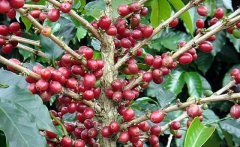
The Colombian Triple Crown King wants manor honey to treat the nutty flavor of a rare variety of mocha beans.
Boutique coffee (specialty coffee) is also called specialty coffee selection coffee. It refers to coffee made from a small number of raw beans with excellent taste grown in an ideal geographical environment. Depending on the special soil and climatic conditions in which they grow, they have outstanding flavor. After strict selection and classification, this kind of coffee is hard in texture, rich in taste and stylish.
2016-06-22 Colombia Triple Crown Wang Hope Hope Manor treatment rare Variety Mocha