“degree of water” search results (6000)

Three factors affecting Coffee Flavor Grinding degree of Coffee Powder extraction time Coffee Powder
The term "fine coffee" was first put forward by Ms. Knudsen of the United States in Coffee and Tea magazine. At that time, Ms. Knudsen, as a coffee buyer at B.C. Ireland in San Francisco, was very dissatisfied with the neglect of the quality of raw coffee in the industry, and even some big roasters mixed a large amount of Robesda beans in the comprehensive beans, so she put forward the concept of boutique coffee.
2016-06-23 Influence coffee flavor three factors coffee powder grinding degree extraction extraction time
How does the sour and bitter in coffee come from?
Many thermal and chemical reactions take place during baking: decarbonation, dehydration of quinic acid, subdivision, isomerization, polymerization, and complex sugar reactions (caramelization).
2014-08-25 Coffee knowledge sour coffee bitter coffee why coffee is bitter
The method of brewing coffee should pay attention to several points when making coffee at home
What do you mean to make coffee? Boil-put something in water and boil it over fire. But the process of brewing coffee is to wash the taste out of the coffee with water of 92-96 degrees. So many people will misunderstand this word. If you really put the coffee into the water to brew, the drink you get will no longer be a cup of coffee, but a cup of scorched bitter water (because the temperature in the water has reached 96.
2015-03-02 Coffee method home making attention a few ideas what is brewing coffee
The process of coffee extraction the relationship between grinding and extraction of coffee beans
From: Yun Fei private roaster (if you have a dream, take good care of her) 12:17:19 as a barista, you can't change the facilities in the store, such as the brand of the coffee machine, the choice of the water purifier, the temperature of the cooking head, the specifications of the powder bowl with the handle, which cannot be changed as an employee. But what best embodies the ability of a barista
2015-11-10 Coffee pick up process coffee beans grinding relationship
Various methods of brewing boutique coffee
1. Pressure infiltration: when 91 degrees Celsius water comes into contact with coffee powder, the soul of coffee begins to awaken. This is to directly show the true color of coffee beans, fully showing the nature and roasting degree of coffee beans, the easiest and least skillful way of brewing, the so-called lazy coffee. Use a glass pot with a filter on the top, pour in the coffee powder, heat the blister for about 4 minutes, press the pressure rod slowly, and separate.
2015-01-08 Boutique coffee technology brewing various methods pressure osmosis degrees Celsius water contact touch
Brewing method of individual coffee: 360 degrees without dead angle analysis of "French pressure pot" coffee making skills
Everyone will not make coffee at first, but will gradually learn to make coffee through experience or other tips to make it more and more delicious, but if you do not learn how to make coffee because of your personal laziness, then your coffee will never be complete. You only have an incomplete cup of coffee. When it is late, it will be too late. You can only watch how others enjoy themselves.
2016-01-07 Single product coffee brewing way 360 degrees dead angle analysis French kettle production
Several brewing methods of coffee explain in detail the methods of brewing coffee
1. Pressure infiltration: when 91 degrees Celsius water comes into contact with coffee powder, the soul of coffee begins to awaken. This is to directly show the true color of coffee beans, fully showing the nature and roasting degree of coffee beans, the easiest and least skillful way of brewing, the so-called lazy coffee. Use a glass pot with a filter on the top, pour in the coffee powder, heat the blister for about 4 minutes, press the pressure rod slowly, and separate.
2015-03-04 Coffee several kinds brewing methods detailed explanation pressure osmosis degrees Celsius water contact touch coffee
Basic chemical reactions that occur during coffee roasting
Many thermal and chemical reactions take place during baking: decarbonation, dehydration of quinic acid, fragmentation, isomerization, polymerization, and complex sugar reactions (caramelization). The main thermally reactive components are monosaccharides and sucrose, chlorogenic acid, displaced amino acids, and trigonelline amide. Both aravinone and calactose in polysaccharides are transferred, and basic sulfurization contains hydroxyamino acids.
2014-08-20 Coffee knowledge Coffee roasting Chemical changes Coffee encyclopedia
Knowledge of coffee roasting
Roasting is the source of coffee flavor, roasting raw beans is called roasting, raw beans can not be drunk without baking, roasted coffee beans have determined 80% of the taste of coffee, the roasting process is very tricky, the fire is too strong, the fire is too weak, then the inner ripe overcooked. Coffee beans are roasted internally and externally, and the key point is to control the heat. Coffee roasting concept roasting coffee beans
2014-08-04 Coffee roasting knowledge coffee flavor source raw beans give fire roast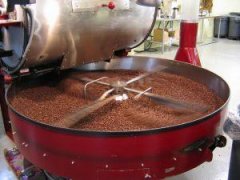
Coffee roasting concept
Coffee roasting is the source of coffee flavor, roasting raw beans is called roasting, raw beans can not be drunk without baking, roasted coffee beans have determined 80% of the taste of coffee, the roasting process is very tricky, the fire is too strong, then the outer ripe endogenesis, the fire is too weak, then the inner ripe overcooked. Coffee beans are roasted internally and externally, and the key point is to control the heat. Coffee roasting concept roasting
2015-04-29 Coffee roasting concept coffee flavor source raw beans give fire roast
How to make a mellow cup of coffee
Choosing good coffee is the first step in making good coffee. The temperature of water and the contact time of coffee powder during correct storage, grinding, brewing and brewing are all important factors affecting coffee quality. How to brew delicious and mellow coffee, there must be a series of factors: coffee beans: want to brew a cup of mellow coffee, in addition to brewing skills, the most important thing is to choose and buy good quality coffee.
2015-06-21 How ability bubble one cup mellow coffee buy good ready
The basic chemical reaction of coffee roasting process
Many thermal and chemical reactions take place during baking: decarbonation, dehydration of quinic acid, subdivision, isomerization, polymerization, and complex sugar reactions (caramelization). The main components of the thermal reaction are monosaccharides and sucrose, chlorogenic acid, free amino acids, and fenugreek amide. Both aravinose and calactose in the polysaccharides are transferred, and the basic vulcanization contains hydroxylated amino acid.
2014-08-15 Coffee knowledge coffee roasting process baking chemical reaction
The basic chemical reaction that takes place during coffee roasting.
Many thermal and chemical reactions take place during baking: decarbonation, dehydration of quinic acid, subdivision, isomerization, polymerization, and complex sugar reactions (caramelization). The main components of the thermal reaction are monosaccharides and sucrose, chlorogenic acid, free amino acids, and fenugreek amide. Both aravinose and calactose in the polysaccharides are transferred, and the basic vulcanization process includes hydroxylamine.
2014-11-22 Coffee knowledge coffee common sense coffee roasting chemical reaction
The basic chemical reactions that take place during coffee roasting
Many thermal and chemical reactions take place during baking: decarbonation, dehydration of quinic acid, subdivision, isomerization, polymerization, and complex sugar reactions (caramelization). The main components of the thermal reaction are monosaccharides and sucrose, chlorogenic acid, free amino acids, and fenugreek amide. Both aravinose and calactose in the polysaccharides are transferred, and the basic vulcanization process includes hydroxylamine.
2015-10-15 Coffee roasting process medium hair raw basic chemical reaction
Basic chemical reactions of coffee beans during coffee roasting
Many thermal and chemical reactions take place during baking: decarbonation, dehydration of quinic acid, subdivision, isomerization, polymerization, and complex sugar reactions (caramelization). The main components of the thermal reaction are monosaccharides and sucrose, chlorogenic acid, free amino acids, and fenugreek amide. Both aravinose and calactose in the polysaccharides are transferred, and the basic vulcanization process includes hydroxylamine.
2015-03-16 Coffee roasting process coffee beans raw basic chemical reaction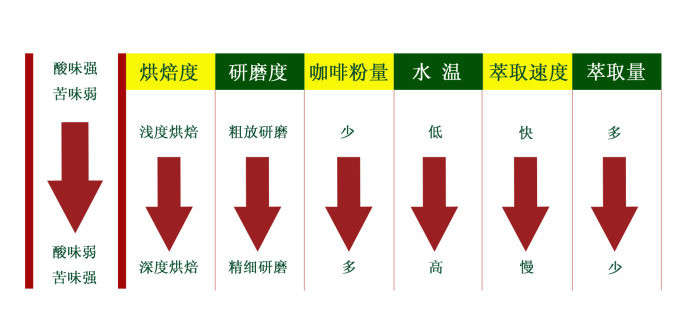
Coffee from grinding to extraction, extraction, taste, roasting, grinding, water temperature, coffee powder.
Although the taste of coffee mostly depends on the degree of roasting, the grinding thickness of coffee beans, water temperature and the amount of coffee powder will also affect the taste of coffee. Among them, grinding is particularly closely related to the taste of coffee. The finer the degree of grinding is, the larger the surface area of the coffee powder is, and the more ingredients are extracted; the more ingredients are dissolved in the coffee liquid, and the higher the concentration, the more bitter the coffee will be. Grinding
2016-03-29 Coffee grinding extraction taste roasting water temperature coffee powder though coffee
The basic chemical reactions that take place during coffee roasting
Many thermal and chemical reactions take place during baking: decarbonation, dehydration of quinic acid, subdivision, isomerization, polymerization, and complex sugar reactions (caramelization). The main components of the thermal reaction are monosaccharides and sucrose, chlorogenic acid, free amino acids, and fenugreek amide. Both aravinose and calactose in the polysaccharides are transferred, and the basic vulcanization process includes hydroxylamine.
2014-08-21 Coffee roasting process medium hair raw basic chemical reaction
About the temperature when brewing coffee
Some people like to use a convenient and fast coffee machine to make coffee, some prefer the romantic elegance of siphon coffee, others like the simplicity and purity of the French press, the Italian style of the mocha pot or the idleness of hand-brewed coffee. But no matter what the way, every cup of coffee has a relatively unified taste standard, that is temperature. The best essence of coffee bean oil is 93 degrees Celsius.
2014-08-28 Coffee knowledge coffee brewing coffee temperature water temperature
The basic chemical reactions that take place during coffee roasting.
Many thermal and chemical reactions take place during baking: decarbonation, dehydration of quinic acid, subdivision, isomerization, polymerization, and complex sugar reactions (caramelization). The main components of the thermal reaction are monosaccharides and sucrose, chlorogenic acid, free amino acids, and fenugreek amide. Both aravinose and calactose in the polysaccharides are transferred, and the basic vulcanization process includes hydroxylamine.
2015-01-08 Coffee common sense baking process medium hair raw basic chemical reaction passing
What will Kenya and Manning taste like after matching according to a certain proportion?
The middle part is slightly sour, the latter part is characterized by the flavor of nuts and chocolate, and the blend is Brazil. I use the cooked bean matching method, which means that a single bean seed is baked first and then blended. During the baking process (the temperature displayed varies according to the design position of the baking furnace and probe) all Kenyan products enter the first explosion temperature of about 192 degrees Celsius, entering two.
2016-06-18 Kenya Mante according to set proportion carry out match Taoist meeting how in the middle