“debris” search results (237)
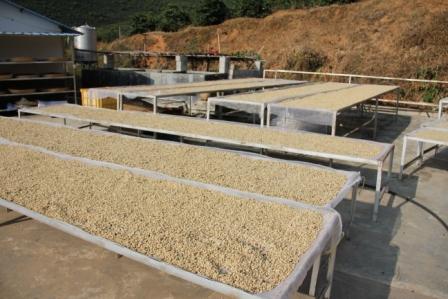
The treatment of coffee beans how to wash coffee beans
When the coffee berries are ripe, they are usually harvested by manual picking. In some places, only the fully ripe berries are picked, while others are all picked from a single branch. The former is called handpicked and the latter is called strip-picking. Because the ripening time of coffee berries is not consistent, the harvest is likely to be divided into several stages.
2016-03-21 Coffee beans processing process coffee raw beans how berries ripe usually
A brief introduction to Coffee Culture in Ethiopia
Sustainable coffee culture Ethiopian coffee beans grow in close to the natural environment, after years of planting under the same growth conditions, Ethiopian coffee beans have gradually adapted to the environment here. More than 60% of coffee beans are grown in forests or semi-forests. The villages that grow coffee in large areas account for about the total amount of coffee produced in the country.
2016-06-04 Ethiopia Coffee Culture introduction Sustainable Development
This paper introduces the common baking utensils and the changes of color and taste in different processes of roasting coffee beans.
Coffee roasted Coffee Roasting coffee is popular mainly because of the aroma formed after roasting and the taste when drinking. The coffee raw bean itself does not have any special taste, it is roasted to completely change and reorganize the substances inside the raw bean to form a new structure, thus bringing out the mellow flavor of the coffee. Baking tool roaster, divided into three types: direct fire type, semi-hot air straight
2016-01-08 Introduction common baking utensils coffee beans each different process color taste
The processing steps of coffee beans how to deal with raw coffee beans
When the coffee berries are ripe, they are usually harvested by manual picking. In some places, only the fully ripe berries are picked, while others are all picked from a single branch. The former is called handpicked and the latter is called strip-picking. Because the ripening time of coffee berries is not consistent, the harvest is likely to be divided into several stages.
2016-03-28 Coffee beans processing steps coffee raw beans how berries ripe usually
The process of processing raw coffee beans the price of Alishan Mazu coffee
Process Editor when the coffee berries are ripe, they are usually harvested by manual picking, in some places only the fully ripe berries are picked, and in others all the coffee berries are picked from a branch. The former is called handpicked and the latter is called strip-picking. Because the ripening time of coffee berries is not consistent, so there is a good harvest.
2016-06-07 Coffee raw beans processing process Alishan marsh price editing
Coffee Bar Management Rules-Bar Management Rules
The following contents are for reference, please modify them properly according to the actual situation! G, bar management system 1, sanitation and cleanliness, no dust stains on the bar surface, no dust on the wine rack, no debris on the carpet, no water stains on guest cups, tea sets and other utensils. The spare parts shall be placed neatly, and the articles in the drawers shall be classified. It is forbidden to store personal articles. 2. Timely delivery, supplement sales items, and ensure business needs. 3. Smile at guests
2015-08-13 Coffee management rules and regulations bar management system the following content for reference
Ethiopia Coffee Bean Flavor Manor introduces Ethiopian boutique coffee beans
Ethiopian coffee beans grow in close to the natural environment, after years of planting under the same growth conditions, Ethiopian coffee beans have gradually adapted to the environment here. More than 60% of coffee beans are grown in forests or semi-forests. Large-scale coffee-growing villages account for about 35% of the country's total coffee production. Many of these are used.
2016-07-21 Ethiopia coffee beans flavor taste manor introduction boutique
Coffee producing and growing areas in Ethiopia
Ethiopian coffee beans grow in close to the natural environment, after years of planting under the same growth conditions, Ethiopian coffee beans have gradually adapted to the environment here. More than 60% of coffee beans are grown in forests or semi-forests. Large-scale coffee-growing villages account for about 35% of the country's total coffee production. Many of these are used.
2016-06-14 Ethiopia coffee producing area planting region coffee beans growing in
High quality Coffee production and sales of Coffee from Ethiopia Coffee
Ethiopian coffee beans grow in close to the natural environment, after years of planting under the same growth conditions, Ethiopian coffee beans have gradually adapted to the environment here. More than 60% of coffee beans are grown in forests or semi-forests. Large-scale coffee-growing villages account for about 35% of the country's total coffee production. Many of these are used.
2016-07-06 High quality coffee Ethiopia producing country production situation sales volume introduction boutique
Introduction to Coffee Culture and Flavor in Ethiopia
Sustainable coffee culture Ethiopian coffee beans grow in close to the natural environment, after years of planting under the same growth conditions, Ethiopian coffee beans have gradually adapted to the environment here. More than 60% of coffee beans are grown in forests or semi-forests. The villages that grow coffee in large areas account for about the total amount of coffee produced in the country.
2016-05-31 Ethiopia coffee culture flavor introduction sustainable development
Ethiopian Coffee Manor Ted Manor Ethiopian Coffee producing area
Ethiopian coffee beans grow in close to the natural environment, after years of planting under the same growth conditions, Ethiopian coffee beans have gradually adapted to the environment here. More than 60% of coffee beans are grown in forests or semi-forests. Large-scale coffee-growing villages account for about 35% of the country's total coffee production. Many of these are used.
2016-07-27 Ethiopia Coffee Manor Ted producing area Coffee beans growing in
Ethiopian Coffee Bean Flavor Manor introduces Ethiopian Coffee Brands
Ethiopian coffee beans grow in close to the natural environment, after years of planting under the same growth conditions, Ethiopian coffee beans have gradually adapted to the environment here. More than 60% of coffee beans are grown in forests or semi-forests. Large-scale coffee-growing villages account for about 35% of the country's total coffee production. Many of these are used.
2016-07-16 Ethiopia coffee beans flavor taste manor producing area introduction coffee brand
Introduction of Ethiopian Coffee producing areas with unique Natural conditions
Ethiopian coffee beans grow in close to the natural environment, after years of planting under the same growth conditions, Ethiopian coffee beans have gradually adapted to the environment here. More than 60% of coffee beans are grown in forests or semi-forests. Large-scale coffee-growing villages account for about 35% of the country's total coffee production. Many of these are used.
2016-06-21 Youde Tiandu thick Natural conditions Ethiopia Coffee producing areas introduction
Ethiopian Fine Coffee Flavor characteristics of Ethiopian Coffee Yega Chefe Coffee
Ethiopian coffee beans grow in close to the natural environment, after years of planting under the same growth conditions, Ethiopian coffee beans have gradually adapted to the environment here. More than 60% of coffee beans are grown in forests or semi-forests. Large-scale coffee-growing villages account for about 35% of the country's total coffee production. Many of these are used.
2015-11-26 Ethiopia boutique coffee flavor characteristics Yega Sheffield
Introduction of Xiaofei Eagle Bean Grinder; Taiwan Xiaofei Eagle CM300AU Electric Coffee Bean Mill
Brand: Taiwan Little Eagle item No.: CM300AU Color Classification: black Taiwan original Little Eagle half pound Bean Grinder original, support counter inspection. ◎ Origin: Taiwan ◎ Brand: Flying Eagle (Little Eagle) ◎ Model: CM-300AU ◎ Color: black ◎ material: stainless steel ◎ size: length 22x wide 14x height 37cm ◎ weight: 3.7kg ◎ funnel capacity
2015-12-19 Bean grinder Flying Eagle Brand introduction Taiwan CM300AU Electric Coffee beans
Coffee harvest time of coffee beans in the main producing areas of the world
Regional harvest period Brazil from May to late June Colombia from October to late February of the second year, China and the United States, from October to late February of the second year, mocha, from early October to late January of the second year, Africa Robsta, from early October to late January of the second year, Arabica, Africa, from early October to late January of the second year, Indonesia EK-1 from March to late May, to ensure that coffee cherries remain unchanged.
2014-09-13 Coffee knowledge coffee bean harvest time world coffee producing area
Differences in Ethiopian coffee
A large amount of coffee production (95%) is done by small shareholders, with an average yield of 561 kg per hectare. For centuries, minority holders of Ethiopian coffee farms have been producing a variety of high-quality types of coffee. The secret of producing high-quality coffee is that coffee growers have developed environmental conditions through generations of repeated learning about the coffee planting process.
2016-05-31 Ethiopia coffee difference mass production 95% all by shares.
Introduction to the treatment process of raw coffee beans Coffee trees bear fruit several times a year
When the coffee berries are ripe, they are usually harvested by manual picking. In some places, only the fully ripe berries are picked, while others are all picked from a single branch. The former is called handpicked and the latter is called strip-picking. Because the ripening time of coffee berries is not consistent, the harvest is likely to be divided into several stages.
2016-07-11 Coffee raw beans treatment process introduction structure several times a year coffee berries
Ethiopian coffee origin Ethiopian coffee processing methods Processing methods
The bulk of coffee production (95%) is done by small shareholders, with an average yield of 561 kg/ha. For centuries, small shareholders of Ethiopian coffee farms have been producing a variety of high-quality coffee types. The secret to producing good coffee is that coffee farmers have developed environmental conditions through generations of repeated learning of the coffee growing process.
2016-05-27 Ethiopia coffee origin processing way method quantity production
Ethiopian Coffee Features Ethiopian Coffee Flavor Boutique Coffee
Ethiopian coffee beans grow in a near-natural environment. After years of cultivation under the same growing conditions, Ethiopian coffee beans have gradually adapted to the environment here. More than 60% of coffee beans are forest or semi-forest grown coffee. Coffee farming villages produce about 35 percent of the country's coffee. Many of these are used.
2016-07-27 Ethiopia Coffee Characteristics Flavor Boutique Coffee Bean Grown in