“customs declaration” search results (114)

The Discovery of Coffee and the Coffee Culture of Coffee all over the World
The Discovery and spread of Coffee how was coffee discovered? When people taste mellow coffee, they can't help but ask such questions. According to Roth de Neroy, a Roman linguist, around the sixth century AD, an Arab shepherd named Caldai was very excited and excited to see every goat when he went to graze on the grasslands of Ethiopia. It made him
2015-04-22 Coffee discovery dissemination countries around the world coffee culture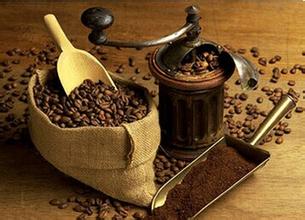
World Coffee Science: understanding the Historical and Cultural Source of World Coffee Coffee must see the knowledge points
The Discovery and spread of Coffee how was coffee discovered? When people taste mellow coffee, they can't help but ask such questions. According to Roth de Neroy, a Roman linguist, around the sixth century AD, an Arab shepherd named Caldai was very excited and excited to see every goat when he went to graze on the grasslands of Ethiopia. It made him
2015-12-04 World coffee understanding history and culture source must-see knowledge point
National barista professional standard the country's best barista training barista professional qualification certificate
According to the relevant provisions of the Labor Law of the people's Republic of China, in order to further improve the system of national vocational standards and provide a scientific and standardized basis for vocational education, vocational training and vocational skills appraisal, the Ministry of Labor and Social Security organized relevant experts to formulate the "National Professional Standard for baristas (trial)" (hereinafter referred to as "Standard"). I. this Standard is objective.
2016-01-13 Country Coffee occupation Standard National good training qualification description according to
Foodie exclusive: Innisfree and MUJI flagship stores are here! A new store that can't be missed in Shanghai in December
In the twinkling of an eye, there is only the last month left in 2015, and it is time for the petty bourgeoisie to diligently search for new stores for everyone! At the end of this period, the Innisfree flagship store and the MUJI MUJI flagship store will all open in Madu. Keep up with the pace of the petty bourgeoisie, and every family is ready to pull the grass! Extra (o) 1innisfree Green Caf, extra, on Instagram
2015-11-21 Foodie exclusive Innisfree MUJI flagship store December up
The battle between coffee merchants in Shanghai is becoming more and more fierce. Kashijia competes with Starbucks.
In Shanghai today, the smell of coffee is floating in the air. This international metropolis, with a resident population of 25 million, not only has more than 4000 cafes, large and small, but more importantly, chain fast food restaurants and convenience stores have also fully joined the ranks of freshly ground coffee this winter, striving to get a share of the growing coffee consumption market. Behind the competitive layout is the rapid expansion of China's coffee market.
2015-03-03 Shanghai coffee business war more and more fierce family Buck up and down
Why don't the capital bosses of 70 billion yuan coffee market like it?
According to statistics, the scale of China's coffee consumption market reached 70 billion yuan in 2015, and it is breaking out at an annual growth rate of 15%, reaching trillion yuan by 2025. With a market size of 70 billion yuan and a market growth rate of 15%, why is capital dismissive of such a thriving industry? Why does the capital despise the coffee industry? the development of the industry is distorted and deviates from the commercial track.
2016-08-05 70 billion yuan coffee market capital boss why not?
Boutique coffee Rwanda coffee origin Rwanda coffee practice
Rwandans have been growing coffee since colonial times, but until 1999, its products were still classified as below Class C and were not popular in the global market. The reason for the poor quality is that farmers do not have a fixed procedure for washing coffee beans and do not process coffee fruits according to specifications in time. Buyers buy coffee beans at $0.33 per kilogram, and farmers keep warm by the meagre profits earned at low prices.
2016-05-12 Boutique coffee Rwanda origin practice
Boutique Coffee Rwanda Coffee Manor 1756 members small farmers
Rwandans have been growing coffee since colonial times, but until 1999, its products were still classified as below Class C and were not popular in the global market. The reason for the poor quality is that farmers do not have a fixed procedure for washing coffee beans and do not process coffee fruits according to specifications in time. Buyers buy coffee beans at $0.33 per kilogram, and farmers keep warm by the meagre profits earned at low prices.
2016-05-12 Boutique coffee Rwanda manor 1756 members small farmers
Fine coffee Rwanda Coffee introduces the characteristics of Rwanda Coffee
Rwandans have been growing coffee since colonial times, but until 1999, its products were still classified as below Class C and were not popular in the global market. The reason for the poor quality is that farmers do not have a fixed procedure for washing coffee beans and do not process coffee fruits according to specifications in time. Buyers buy coffee beans at $0.33 per kilogram, and farmers keep warm by the meagre profits earned at low prices.
2016-05-12 Boutique coffee Rwanda introduction characteristics
Boutique coffee Rwanda coffee flavor red apple, cherry, cinnamon, honey
Rwandans have been growing coffee since colonial times, but until 1999, its products were still classified as below Class C and were not popular in the global market. The reason for the poor quality is that farmers do not have a fixed procedure for washing coffee beans and do not process coffee fruits according to specifications in time. Buyers buy coffee beans at $0.33 per kilogram, and farmers keep warm by the meagre profits earned at low prices.
2016-05-12 Boutique coffee Rwanda flavor red apple cherry cinnamon honey
Boutique coffee Rwanda coffee producing area in the western province of Lutexilo
Rwandans have been growing coffee since colonial times, but until 1999, its products were still classified as below Class C and were not popular in the global market. The reason for the poor quality is that farmers do not have a fixed procedure for washing coffee beans and do not process coffee fruits according to specifications in time. Buyers buy coffee beans at $0.33 per kilogram, and farmers keep warm by the meagre profits earned at low prices.
2016-05-12 Boutique coffee Rwanda producing area western province Texi
Rwanda Coffee
Global coffee producing area-since the 1920s, Rwanda Arabica coffee grown in Rwanda has been famous for its unique fruit sweetness and rich grass aroma. In recent years, the government of Rwanda has taken positive measures to vigorously promote coffee production, set up coffee production cooperatives in various places, and give technical guidance and financial support to farmers, so that coffee production can be achieved.
2014-06-30 Rwanda coffee Rwanda coffee bean price Rwanda Malaba coffee
Fine coffee Rwanda coffee processing method Processing method Washing, elevated shelf drying
Rwandans have been growing coffee since colonial times, but until 1999, the product was classified as below grade C and was not available on the global market. The reason for the poor quality is that farmers do not have a fixed procedure for cleaning coffee beans, and they do not process coffee fruits according to specifications in time. Buyers pay $0.33 a kilo for coffee beans, farmers keep warm on the meager margins they earn at low prices
2016-05-12 boutique coffee rwanda treatment way method washing elevated trellis solarization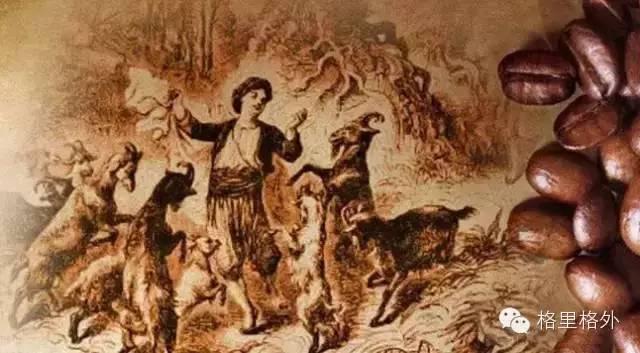
From instant coffee to coffee beautification, explain in detail the three waves of coffee in the world.
How many people know that the coffee you often drink is actually the fruit of a tree? People use to get to the bottom of the matter to describe understanding the context of a thing. How coffee developed from a small fruit to the three major non-alcoholic beverages in the world side by side with tea and cocoa has spanned a thousand years of history. This small fruit has traveled across the ocean and affected the world, and there have been countless stories behind it. Let
2015-11-26 Fast food coffee aesthetics detail explanation world three waves waves